









Introduction: The Philosophy of Carrying Less
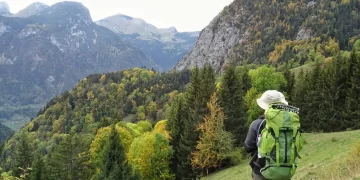
In recent years, a transformative trend has swept across the global outdoor community: “Carry Less, Go Further.” This philosophy encourages hikers, trekkers, and campers to reduce their gear to the essentials, relying on skill, resourcefulness, and adaptability to navigate the wilderness. No longer is adventure defined by the quantity of gear or technological sophistication; instead, the focus is on efficiency, mobility, and a deep connection with the natural environment.
The minimalist approach challenges traditional notions of preparation, emphasizing lightweight equipment, essential skills, and strategic planning. By carrying less, adventurers can move faster, cover greater distances, and cultivate a heightened awareness of both terrain and self. This article delves into the origins, principles, techniques, gear innovations, psychological dimensions, and future of minimalist long-distance outdoor exploration.
1. Historical Roots of Minimalist Adventure
Minimalist outdoor adventure draws inspiration from centuries of human exploration:
- Indigenous Nomadic Practices: Historically, many nomadic cultures traveled great distances carrying only essential items, relying on intimate knowledge of their environment to survive and thrive.
- Frontiersmen and Early Explorers: European explorers, American trappers, and Himalayan mountaineers often adopted lightweight approaches, balancing survival necessities with mobility.
- Philosophical Foundations: The idea of simplicity as a virtue in outdoor travel is deeply rooted in Eastern and Western philosophies alike, emphasizing adaptability, mindfulness, and harmony with nature.
These historical precedents underscore that minimalist outdoor practices are not merely a trend but a continuation of age-old survival wisdom.
2. Modern Drivers of the “Carry Less, Go Further” Movement
The resurgence of minimalist outdoor practices can be attributed to several contemporary factors:
2.1 Technological Advances in Gear
Modern materials and designs have transformed what is possible for ultralight adventurers:
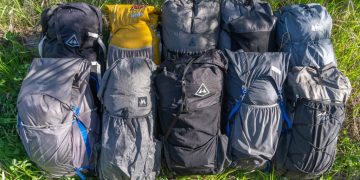
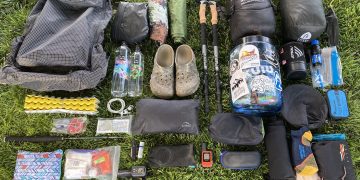
- Ultralight tents and tarps (weighing less than 1.5 kg)
- Compact, high-warmth sleeping bags and quilts
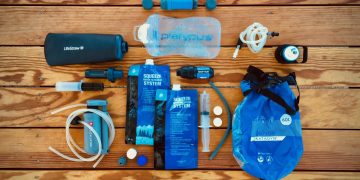
- Multifunctional cooking systems and water filters
- Advanced layering clothing systems for variable climates
These innovations allow long-distance hikers to carry minimal weight without sacrificing safety or functionality, enabling a freer and faster style of exploration.
2.2 Social Media and Storytelling
Platforms like YouTube, Instagram, and specialized blogs have popularized minimalist trekking by showcasing:
- Solo thru-hikes across continental trails
- Ultralight gear setups with detailed reviews
- Bushcraft and improvisation techniques in wilderness settings
These narratives inspire aspiring adventurers by demonstrating the freedom, efficiency, and intimacy with nature achievable through carrying less.
2.3 Environmental Awareness
Minimalist trekking aligns with modern ecological ethics:
- Lower environmental footprint due to reduced gear production
- Emphasis on Leave No Trace principles
- Encouraging minimal disturbance to natural landscapes
By reducing equipment and consumption, hikers embrace a sustainable philosophy that honors the ecosystems they traverse.
3. Core Principles of Minimalist Trekking
Minimalist outdoor adventure is guided by several interrelated principles:
3.1 Skill Over Gear
Adventurers prioritize abilities over equipment:
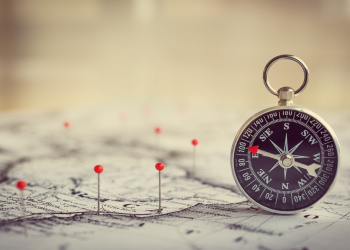
- Navigation Proficiency: Competence with map, compass, and GPS as a backup
- Shelter Construction: Utilizing natural resources or ultralight tarps to create effective shelters
- Water and Food Management: Identifying and purifying water sources, planning nutrient-dense meals
- Adaptability: Learning to improvise in the face of unpredictable environmental conditions
These skills ensure safety while allowing a significant reduction in carried items.
3.2 Multi-Functionality and Efficiency
Each piece of equipment serves multiple purposes:
- Trekking poles doubling as tent supports
- Clothing layers suitable for both insulation and weather protection
- Cooking gear functioning as storage containers
- Tools combining knife, firestarter, and repair functions
The principle of maximizing utility while minimizing weight is central to this movement.
3.3 Psychological Resilience
Carrying less requires mental discipline and fortitude:
- Decision-making under pressure in remote areas
- Managing risk without over-reliance on equipment
- Embracing uncertainty and cultivating patience
This mental aspect is often as demanding as the physical challenge, enhancing personal growth.
4. Essential Gear for Minimalist Long-Distance Exploration
Despite the focus on minimalism, proper planning and strategic gear selection remain critical.
4.1 Shelter and Sleeping Systems
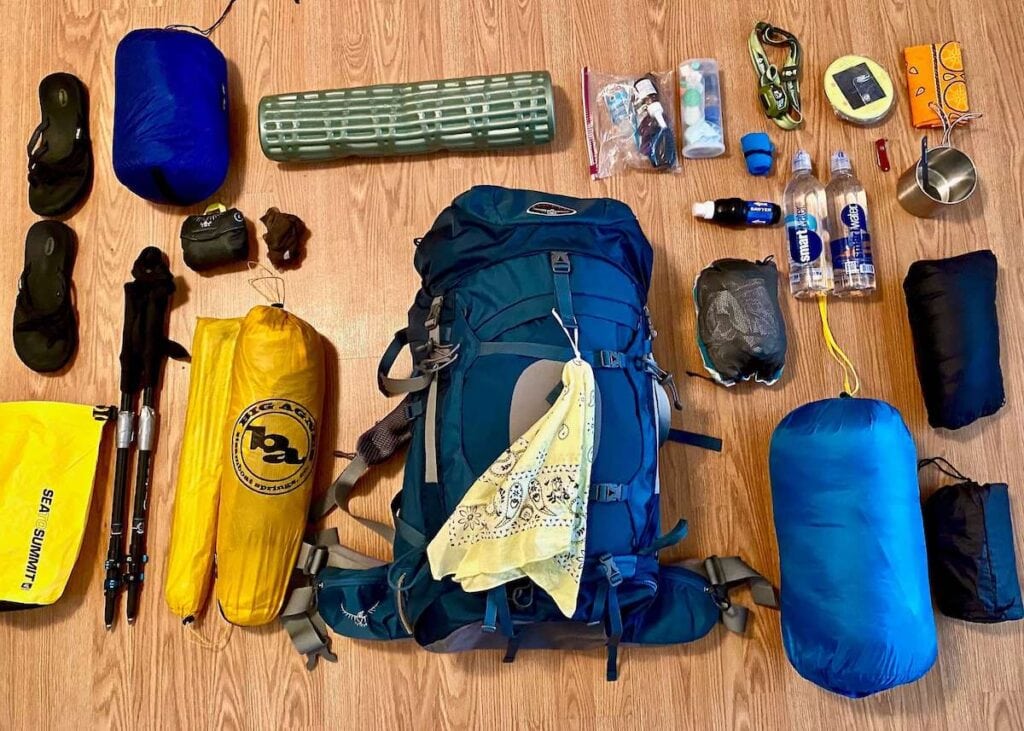
- Ultralight tents or tarps
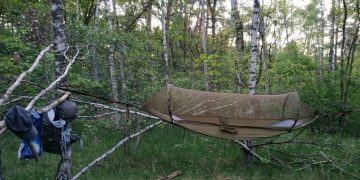
- Hammocks with integrated mosquito nets
- Bivy sacks and lightweight quilts
- Sleep systems with high warmth-to-weight ratios
4.2 Cooking and Nutrition
- Freeze-dried meals and high-calorie, lightweight foods
- Compact stoves and fuel-efficient cooking systems
- Water filters, sterilization kits, and collapsible containers
4.3 Clothing and Footwear
- Breathable, moisture-wicking base layers
- Insulating mid-layers adaptable to multiple climates
- Lightweight, durable trail shoes or boots
- Minimalist rain gear for wind and water protection
4.4 Navigation and Safety Tools
- Map and compass, with GPS as a backup
- Emergency signaling devices (PLBs, whistles, mirrors)
- Compact first-aid kits and repair tools
- Multi-purpose knife or multi-tool
The goal is safety, efficiency, and minimal burden, all while retaining flexibility in unpredictable conditions.
5. Planning and Strategy for Long-Distance Minimalist Travel
Effective minimalist trekking requires deliberate preparation:
5.1 Route Planning
- Analyze terrain, weather, and seasonal factors
- Identify water sources and resupply points
- Determine exit strategies for emergencies
5.2 Nutrition and Hydration
- Plan meals based on energy expenditure
- Use calorie-dense, lightweight foods
- Implement efficient cooking and water purification methods
5.3 Physical and Mental Preparation
- Endurance training with lighter loads
- Mental conditioning for solitude and uncertainty
- Practice trips to refine gear choices and skill application
6. Psychological and Philosophical Dimensions
Minimalist long-distance trekking offers profound psychological benefits:
6.1 Mindfulness and Presence
Minimal gear fosters heightened awareness, requiring adventurers to observe their surroundings, weather, and personal condition closely. This deep engagement promotes mental clarity and attentiveness.
6.2 Freedom and Mobility
With a lighter pack, hikers can move faster, cover more ground, and respond to environmental opportunities, experiencing greater flexibility and spontaneity.
6.3 Personal Growth and Self-Reliance
Navigating long distances with minimal equipment cultivates resilience, problem-solving skills, and self-confidence, translating to a sense of achievement beyond the trail.
7. Techniques for Minimalist Camping
Minimalist camping integrates efficiency and survival skills:
- Site Selection: Favor natural shelter, access to water, and low environmental impact
- Shelter Setup: Tarps, hammocks, or bivy sacks optimized for protection and weight
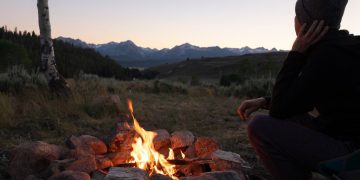
- Fire Management: Small, controlled fires using local materials
- Leave No Trace: Careful disposal of waste and minimal disruption to flora and fauna
These techniques exemplify living lightly while maintaining comfort and safety.
8. Challenges and Safety Considerations
Minimalist trekking, while rewarding, carries inherent risks:
- Reduced Equipment Margin: Less gear increases vulnerability to weather and emergencies
- Skill Dependence: High reliance on navigation, first aid, and wilderness survival expertise
- Accessibility: Novices must gradually build skills before attempting extended minimalist trips
Mitigation includes progressive training, mentorship, and contingency planning.
9. Community and Knowledge Sharing
Minimalist trekking thrives in knowledge-sharing communities:
- Online Forums and Blogs: Gear reviews, trip reports, and tips
- Workshops and Courses: Hands-on instruction in navigation, bushcraft, and survival
- Media Influence: Documentaries, YouTube channels, and adventure narratives
These platforms cultivate a supportive culture of learning, inspiration, and innovation.
10. Environmental Implications
Minimalist outdoor adventure promotes ecological stewardship:
- Lower environmental footprint through reduced gear consumption
- Promotion of sustainable trail use and Leave No Trace principles
- Encouragement of conscious interaction with nature, minimizing ecological disturbance
By carrying less, adventurers can experience the environment more authentically while protecting it.
11. Future Trends and Innovations
The future of the “Carry Less, Go Further” movement is promising:
- Integration of Technology: Lightweight solar chargers, ultralight GPS devices, and multifunctional tools
- Exploration of Diverse Terrains: Expansion into deserts, alpine regions, and rainforests
- Education and Training: Outdoor programs emphasizing skill development and ultralight strategies
- Cultural Shift: Broader adoption of minimalist principles in outdoor recreation and lifestyle
The movement reflects a global shift toward simplicity, skill, and sustainability in adventure.
Conclusion: Beyond Weight, Toward Mastery
The mantra “Carry Less, Go Further” represents a paradigm shift in outdoor adventure. It challenges adventurers to prioritize essentials, embrace self-reliance, and cultivate a profound connection with nature. Minimalist long-distance trekking is not merely about reducing pack weight; it is about enhancing mobility, resilience, and ecological mindfulness.
By embracing this philosophy, hikers and campers unlock the freedom to explore further, move faster, and experience the wilderness in its rawest, most essential form. Minimalist adventure transforms the act of hiking and camping into a discipline of skill, awareness, and personal growth, reminding us that sometimes, less truly is more.