









The growing awareness of environmental issues has shifted the way we think about outdoor activities, particularly in the context of adventure sports, camping, and hiking. As nature lovers, explorers, and wilderness enthusiasts, it’s our responsibility to not only enjoy the natural world but also protect and preserve it for future generations. One of the most effective ways to minimize our ecological footprint is by using eco-friendly gear during outdoor excursions.
Sustainable outdoor equipment is designed with both performance and the environment in mind, aiming to reduce waste, minimize resource consumption, and avoid harmful environmental impacts. This article explores the different aspects of eco-friendly outdoor gear, including materials, production processes, usage tips, and the best practices for choosing and maintaining sustainable equipment in the wild.
We will discuss sustainable alternatives for camping gear, clothing, footwear, cooking tools, and waste management, offering practical advice for eco-conscious adventurers. With the right gear and mindset, you can enjoy your outdoor adventures while minimizing your impact on the planet.
1. Understanding the Importance of Eco-Friendly Outdoor Gear
Before delving into the specifics of eco-friendly gear, it’s important to understand why it’s so crucial to make sustainable choices when venturing into nature. Traditional outdoor gear is often made from non-renewable resources, toxic chemicals, and non-biodegradable materials that can harm the environment when discarded. The outdoor industry, like many other sectors, has a significant carbon footprint, particularly when it comes to the production, transportation, and disposal of gear.
1.1 The Environmental Impact of Conventional Gear
- Plastic and Synthetic Materials: Many outdoor products, such as tents, backpacks, and clothing, are made from synthetic fabrics like nylon and polyester, which are derived from petroleum-based plastics. These materials are not biodegradable and can take hundreds of years to decompose, contributing to long-term environmental pollution.
- Chemicals and Dyes: Many outdoor products are treated with chemicals such as waterproofing agents, flame retardants, and dyes, which can be harmful to wildlife and ecosystems. These chemicals often leach into the soil or water when discarded or washed away.
- Carbon Emissions: The production, transportation, and disposal of outdoor gear can result in substantial carbon emissions. From the extraction of raw materials to the manufacturing processes, the carbon footprint of many outdoor products is high.
1.2 The Shift Toward Sustainability
As more people become aware of these environmental issues, there has been a growing demand for eco-friendly outdoor gear. Companies are beginning to use sustainable materials, reduce waste, and implement environmentally responsible manufacturing processes. Consumers, too, are becoming more selective, opting for products that align with their values and support the health of the planet.
Incorporating eco-friendly gear into your outdoor activities not only helps reduce your carbon footprint but also sets an example for others to follow. It demonstrates that outdoor adventures and environmental preservation can go hand in hand.
2. Key Considerations for Choosing Eco-Friendly Gear
When selecting eco-friendly gear for outdoor activities, there are several factors to consider to ensure that the equipment you choose is both environmentally responsible and functional.
2.1 Materials Matter: Sustainable Fabrics and Components
One of the most significant impacts of outdoor gear comes from the materials used in its production. Many eco-conscious brands now prioritize natural or recycled materials that have a lower environmental impact.
- Recycled Materials: Using recycled materials, such as recycled polyester or recycled nylon, helps reduce the demand for virgin resources and minimizes the environmental impact of the manufacturing process. Many eco-friendly backpacks, jackets, and tents are now made from recycled plastics, offering durability without the environmental toll.
- Organic Cotton: Organic cotton is grown without the use of harmful pesticides or synthetic fertilizers, making it a more sustainable choice for clothing, tents, and other gear. It also requires less water than conventional cotton farming, which is beneficial in drought-prone areas.
- Natural Fibers: Wool, hemp, and bamboo are excellent natural alternatives to synthetic fabrics. These materials are biodegradable and require fewer chemical treatments, making them more eco-friendly.
- Biodegradable Products: Look for products like biodegradable soap, wipes, and even toothbrushes made from bamboo. These items are less likely to contribute to pollution when disposed of in the wild.
2.2 Durability and Longevity
One of the most sustainable aspects of outdoor gear is its durability. High-quality, durable products last longer, reducing the need for frequent replacements and reducing overall waste.
- Invest in Quality: It’s important to choose gear that is built to last. Look for products that are repairable and made with high-quality materials that won’t wear out after a few uses.
- Multifunctional Gear: Opt for gear that can serve multiple purposes to reduce the number of items you need to carry. For example, a lightweight, compact stove that doubles as a cooking pot, or a jacket that can be used as both a raincoat and an insulating layer.
2.3 Packaging and Waste Reduction
Consider the environmental impact of the packaging when purchasing outdoor gear. Choose items that come with minimal or eco-friendly packaging, such as those made from recycled or biodegradable materials.
- Avoid Single-Use Items: The wilderness provides opportunities to reduce waste by avoiding single-use items such as plastic water bottles or disposable cutlery. Invest in durable reusable containers, stainless steel bottles, and biodegradable waste bags for trash collection.
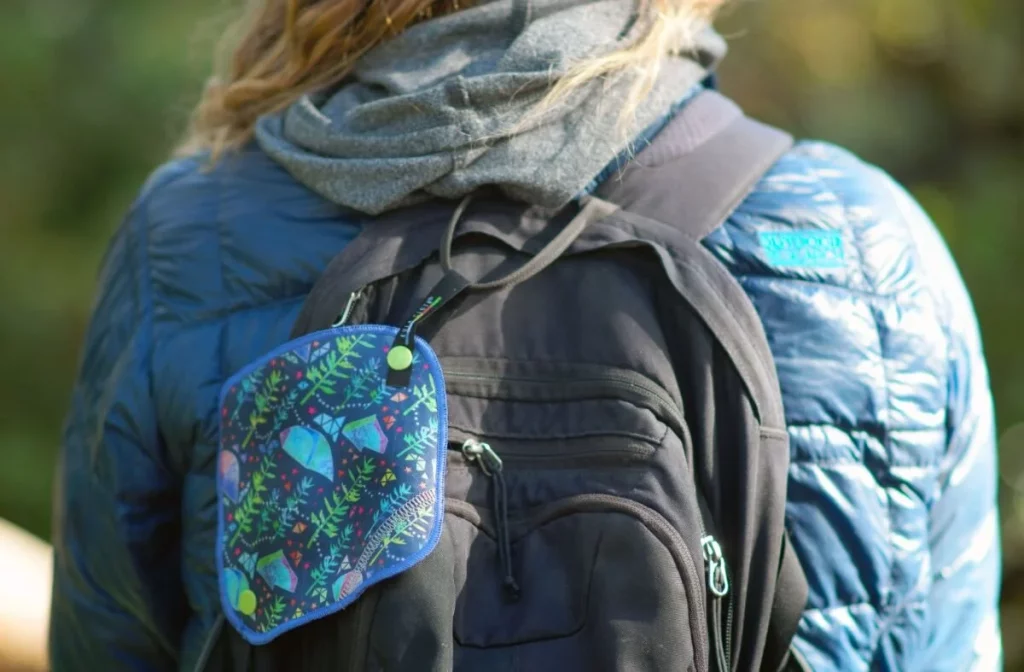
- Reusable and Zero-Waste Gear: Gear like compact solar chargers, reusable food wraps, and cloth bags are great alternatives to disposable items.
3. Sustainable Camping and Hiking Gear
For outdoor enthusiasts who enjoy camping and hiking, eco-friendly gear is essential for reducing your environmental impact and protecting the natural landscapes you explore.
3.1 Eco-Friendly Tents and Shelters
When selecting a tent or shelter for your outdoor adventure, opt for products made from sustainable materials. Look for tents with recycled fabrics, non-toxic coatings, and water-based adhesives.
- Tent with Recycled Fabrics: Several brands are using recycled polyester or nylon to create lightweight, durable tents that reduce the demand for virgin materials.
- Compact and Lightweight Shelters: Smaller, more compact shelters not only reduce your pack weight but also minimize your footprint on the land.
3.2 Sustainable Clothing and Footwear
The clothing and footwear you wear during outdoor activities have a major impact on both the environment and your comfort. Thankfully, many brands are now offering products made from recycled fabrics, natural fibers, and sustainable manufacturing processes.
- Performance Outerwear: Look for jackets and pants made from recycled polyester, water-based coatings, and natural fibers like hemp or organic cotton. These items are lightweight, durable, and eco-friendly.
- Eco-Friendly Footwear: Choose shoes and boots made from sustainable materials like recycled rubber soles, organic cotton uppers, or leather sourced from ethical and sustainable tanneries. Some brands also offer repairable footwear, extending the life of your boots and reducing waste.
3.3 Cooking Gear and Food Storage
Cooking in the wilderness requires durable and efficient gear. Eco-conscious adventurers should seek out equipment that minimizes waste and reduces the need for disposable materials.
- Portable Stoves: Look for stoves that are fuel-efficient and made from materials like stainless steel or aluminum. Biogas stoves or wood-burning stoves that use renewable fuel sources are also a great option.
- Food Storage: Invest in reusable containers, stainless steel food jars, and biodegradable bags to minimize plastic waste. For water storage, use stainless steel or glass bottles to avoid single-use plastics.
3.4 Eco-Friendly Sleeping Gear
Sleeping bags and mats are essential for comfort during your outdoor adventures, but they also come with environmental considerations.
- Sleeping Bags: Choose sleeping bags made with recycled polyester or natural fillings like down sourced from responsible suppliers. Look for products with eco-friendly linings and insulation that don’t rely on harmful chemicals.
- Sleeping Pads: Opt for sleeping pads made from recycled materials or bio-based foam. Compact, inflatable sleeping mats are often more eco-friendly than foam mats.
4. Responsible Waste Management in the Wilderness
One of the key aspects of being environmentally conscious in the wild is ensuring that all waste is disposed of properly. Leave no trace principles are essential for preserving the integrity of natural environments.
4.1 Leave No Trace Principles
The Leave No Trace (LNT) principles are a set of guidelines designed to minimize human impact on the environment. Some of the core principles include:
- Pack it In, Pack it Out: Take all waste, including food scraps and packaging, with you when you leave.
- Use Established Trails and Campsites: Stick to designated paths to minimize environmental degradation.
- Minimize Campfire Impact: Use a camp stove instead of a fire whenever possible, and follow all local fire regulations.
4.2 Eco-Friendly Waste Disposal Solutions
When in the wilderness, it’s important to have a waste disposal system that is eco-friendly. This includes carrying biodegradable toilet paper, composting waste bags, and using pack-out systems to dispose of human waste properly.
5. Conclusion: Embracing Eco-Friendly Gear for a Sustainable Future
Adopting more sustainable gear for outdoor adventures is a powerful way to protect the environment while still enjoying all that nature has to offer. By choosing eco-friendly materials, reducing waste, and adopting Leave No Trace principles, we can all help preserve the natural beauty of the wilderness for future generations.
As outdoor enthusiasts, we have a unique opportunity to influence the outdoor industry by making responsible choices and supporting companies that prioritize sustainability. By investing in high-quality, eco-conscious gear, and practicing responsible waste management, we can minimize our environmental impact and continue to enjoy the outdoors in a way that is both fulfilling and environmentally responsible.