









Exploring the polar regions of Earth—both the Arctic and Antarctic—has long captivated scientists, adventurers, and environmentalists alike. These harsh, frozen landscapes are not only some of the most remote and inhospitable environments on the planet but also hold invaluable scientific insights into global climate systems, biodiversity, and the Earth’s past. While the Arctic and Antarctic are distinct in their geography, ecosystems, and political frameworks, scientific expeditions to these regions share a common goal: to unlock the mysteries of the polar environments and their global significance.
This article will delve into the history, objectives, logistics, and significance of scientific expeditions to the Arctic and Antarctic, examining how these explorations contribute to our understanding of climate change, global ecosystems, and the future of the planet.
Introduction: Polar Regions as Frontiers of Scientific Discovery
The Arctic and Antarctic are often perceived as the final frontiers of scientific exploration, places where humanity can study the Earth in its most untouched and extreme state. Despite their similarities—both are frozen, inhospitable, and face the ongoing effects of climate change—the two regions differ greatly in terms of geography, political governance, and their ecosystems.
- The Arctic is a region of the northernmost part of Earth, primarily consisting of the Arctic Ocean surrounded by landmasses, including parts of Canada, Russia, Greenland, Norway, and the United States (Alaska). It is home to unique ecosystems of sea ice, tundra, and marine life.
- The Antarctic, on the other hand, is a landmass covered by thick ice and is located at the southernmost point of the Earth. Antarctica is governed by the Antarctic Treaty, which prohibits military activity and emphasizes scientific research. It is a virtually uninhabited continent, with no native human population but home to a variety of research stations from multiple countries.
These polar regions, though remote, serve as key areas for research in fields like climate science, glaciology, biology, oceanography, and even space exploration. Understanding the forces at play in these regions is crucial to comprehending global climate dynamics, as the poles play a central role in regulating the Earth’s temperature and atmospheric conditions.
History of Polar Scientific Expeditions
Early Explorations and the Race to the Poles
Scientific exploration of the poles began in the early 19th century, although the extreme nature of these regions made them incredibly difficult to study. Early expeditions were driven by a desire to map the Earth’s unknown areas, often with the additional aim of national prestige and territorial claims.
- The Arctic: The first significant explorations of the Arctic began in the 19th century, with explorers such as John Franklin, who sought a navigable route through the Arctic (the “Northwest Passage”). In the 20th century, the Arctic became the subject of both military interest and scientific exploration. The race for the North Pole itself reached its zenith in the early 1900s, with explorers like Robert Peary and Fridtjof Nansen attempting to reach the pole.
- The Antarctic: Antarctica, as a landmass, remained largely uncharted until the early 20th century. In 1911, Norwegian explorer Roald Amundsen became the first person to reach the South Pole, just ahead of the British expedition led by Robert Falcon Scott. The early years of Antarctic exploration were characterized by hardship, extreme conditions, and high levels of mortality. However, these early explorers laid the groundwork for future scientific inquiry.
The Mid-20th Century: The Birth of Modern Polar Research
The mid-20th century saw a shift in the nature of polar exploration, as countries began to establish permanent research stations. The establishment of these stations marked the beginning of long-term scientific studies in the Arctic and Antarctic, and the focus of expeditions shifted from exploration to research.
- The Antarctic Treaty (1959): One of the most important milestones in Antarctic scientific exploration was the signing of the Antarctic Treaty in 1959, which established Antarctica as a place for international scientific cooperation. The treaty prohibited military activity, banned nuclear testing, and ensured that scientific research would be the primary activity on the continent.
- The International Geophysical Year (1957-1958): This global scientific initiative resulted in significant advancements in polar research. The establishment of research stations, the launching of satellites, and the mapping of Antarctica’s ice sheets began during this period.
The Role of Polar Scientific Expeditions in Understanding Climate Change
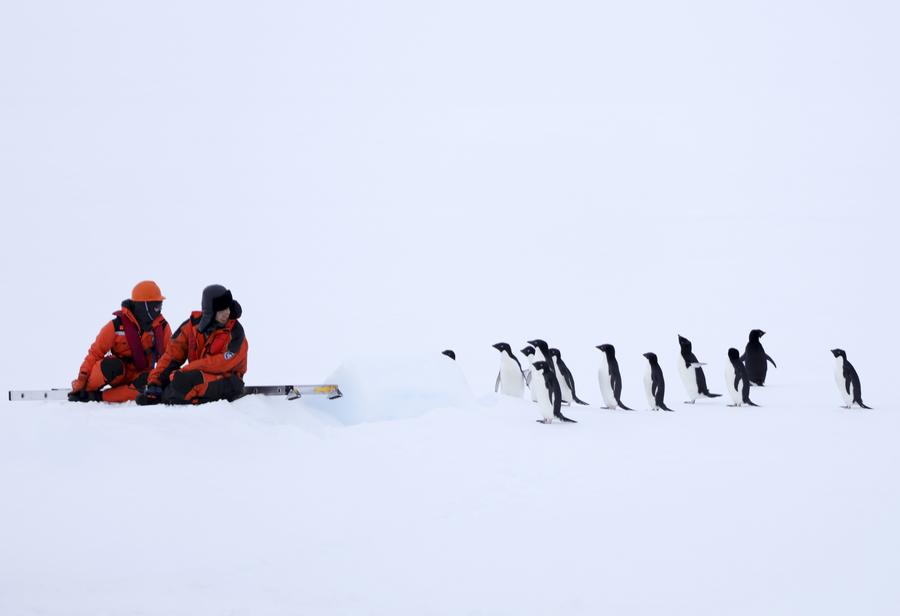
One of the primary motivations behind modern polar expeditions is the study of climate change. Both the Arctic and Antarctic are particularly sensitive to global warming, and scientists use these regions as barometers for understanding how changes in temperature affect the global environment.
Arctic Climate Change Research
The Arctic is warming at approximately twice the global rate, a phenomenon known as “Arctic amplification.” This warming has serious consequences, not only for the Arctic itself but for the planet as a whole. The melting of sea ice and the retreat of glaciers contribute to rising sea levels and alter weather patterns in the Northern Hemisphere.
Key research areas in the Arctic include:
- Sea Ice Dynamics: Scientists monitor the extent and thickness of Arctic sea ice, which has been declining in recent decades. Sea ice plays a crucial role in regulating the Earth’s climate by reflecting sunlight, so its loss contributes to further warming.
- Permafrost and Methane Emissions: Thawing permafrost in the Arctic is releasing stored greenhouse gases, such as methane, into the atmosphere. This creates a feedback loop that accelerates climate change. Researchers are studying the rates of permafrost thaw and its implications for the global climate.
- Biodiversity and Ecosystem Shifts: The Arctic is home to unique species of plants and animals adapted to cold environments. Climate change is forcing these species to adapt or migrate, and researchers are monitoring how shifts in the ecosystem could impact local food webs.
Antarctic Climate Change Research
The Antarctic plays a critical role in the global climate system, particularly due to the vast ice sheets that cover the continent. If the Antarctic ice sheets were to collapse, it would result in catastrophic sea level rise. Understanding the dynamics of ice sheet melting is thus a primary focus of Antarctic research.
Key research areas in the Antarctic include:
- Ice Sheet Stability: Researchers are studying the stability of the West Antarctic Ice Sheet and its potential contribution to sea level rise. Melting from the underside of ice shelves is a significant concern, as it could trigger rapid ice flow into the ocean.
- Ozone Layer Recovery: Antarctica has been the epicenter of ozone depletion, with the “ozone hole” first discovered in the 1980s. However, international efforts to phase out harmful chemicals have led to significant recovery of the ozone layer, providing valuable insights into how human action can mitigate environmental damage.
- Long-Term Climate Records: Ice cores extracted from Antarctic ice sheets provide a window into the Earth’s past climate. By analyzing the gas bubbles trapped in ice, scientists can reconstruct historical climate data, offering insights into natural climate cycles and the impacts of human activity.
Modern Polar Expeditions: Logistics and Technology
Modern scientific expeditions to the polar regions are highly complex and require cutting-edge technology and meticulous planning. The challenges of operating in such extreme environments—where temperatures can plunge below -60°C and conditions can change rapidly—demand specialized equipment, safety protocols, and logistical expertise.
Arctic Expeditions: Navigating the Ice
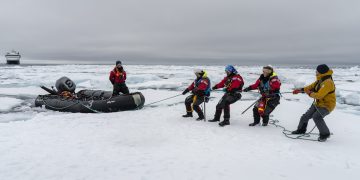
In the Arctic, research teams often travel on icebreakers, ships designed to break through thick sea ice. These vessels can reach remote areas where no other ships can go, enabling scientists to conduct research in the heart of the Arctic Ocean.
For land-based research, teams may use snowmobiles or sleds to transport gear across the ice. Research stations, such as those in Greenland, Canada, and northern Russia, are equipped with heated shelters, labs, and communication systems to support scientists working in the field.
Antarctic Expeditions: Remote and Self-Sufficient
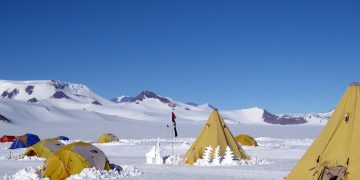
In Antarctica, research stations are more isolated, often requiring long periods of self-sufficiency. Aircraft are used to transport personnel and equipment to research stations, while overland vehicles help scientists move across the icy terrain. The polar field camps are often equipped with inflatable shelters, generators, and communication systems to allow researchers to conduct experiments in the field.
Conclusion: The Future of Polar Scientific Expeditions
As climate change continues to reshape the Arctic and Antarctic, the role of scientific expeditions in these regions will only grow more crucial. These polar regions serve as early indicators of global environmental change, and the data collected by researchers will play a key role in understanding how our planet is changing.
The scientific community’s collective responsibility is to ensure that expeditions to the polar regions are conducted in an ethical, environmentally conscious, and collaborative manner. This involves respecting international agreements such as the Antarctic Treaty, supporting sustainable research practices, and ensuring that scientific findings are shared for the greater good of humanity.
With continued advancements in technology, a growing global commitment to environmental stewardship, and international collaboration, the future of polar research holds immense potential for uncovering the mysteries of our planet’s most extreme and important regions. As we navigate the complexities of climate change, the polar regions will remain at the forefront of scientific exploration and discovery.