









Introduction
Urban exploration of abandoned structures, often called urbex, has grown into a global phenomenon, attracting enthusiasts fascinated by history, architecture, decay, and the thrill of discovery. These explorations encompass a diverse array of sites, from industrial factories, hospitals, and schools, to historical castles and military bunkers. Beyond adventure, ruins offer unique insights into cultural heritage, urban development, and socio-economic transformations.
This article delves into the practice of ruins exploration, covering historical context, motivations, safety protocols, legal considerations, environmental impacts, photographic documentation, and psychological aspects. It provides a professional perspective suitable for both enthusiasts and scholars interested in the interdisciplinary study of abandoned spaces.
1. Historical Context of Ruins
1.1 Origins of Urban Ruins
- Urban ruins are the result of industrial decline, natural disasters, war, or socio-economic shifts.
- Examples include Detroit’s abandoned factories, Chernobyl’s exclusion zone, and European castles overtaken by time.
1.2 Industrialization and Abandonment
- The 20th-century industrial boom led to the creation of factories and infrastructure, many of which fell into disuse due to economic decline or technological shifts.
- Urban planners and architects often leave behind striking modernist ruins, rich in historical and architectural value.
1.3 Archaeological and Cultural Significance
- Ruins are living museums, preserving artifacts, architectural styles, and urban planning methods.
- They offer tangible evidence of cultural transitions, enabling scholars to study societal evolution, labor practices, and material culture.
2. Motivations Behind Urban Ruins Exploration
2.1 Adventure and Thrill-Seeking
- The adrenaline rush of exploring abandoned, sometimes hazardous sites is a primary motivation.
- Hidden staircases, collapsing floors, and dark corridors create excitement paired with risk management challenges.
2.2 Historical Curiosity
- Many explorers are motivated by a desire to connect with history, examining forgotten industrial machinery, architecture, and urban decay.
2.3 Photography and Artistic Expression
- Ruins provide dramatic visual environments, inspiring photographers and artists to capture textures, light, and decay.
- Techniques include long exposure, high-contrast black-and-white, and drone photography.
2.4 Sociological and Psychological Exploration
- Exploring abandoned spaces can provoke reflection on mortality, impermanence, and societal neglect.
- Studies indicate that exposure to decay stimulates cognitive and emotional responses, including nostalgia and curiosity.
3. Types of Ruins
3.1 Industrial Ruins
- Factories, warehouses, and mills: Characterized by rusting machinery, crumbling walls, and vast empty spaces.
- Often found in post-industrial cities, providing insight into manufacturing history and labor culture.
3.2 Military and Government Installations
- Abandoned bases, bunkers, and fortifications: Rich in historical significance, tactical architecture, and geopolitical context.
- Examples include Cold War bunkers in Europe and defunct military complexes in North America.
3.3 Hospitals and Asylums
- Structures like sanatoriums, psychiatric hospitals, and quarantine facilities reflect medical history and social attitudes toward health and mental illness.
- Notable for unique architectural layouts designed for patient care and containment.
3.4 Residential and Urban Ruins
- Abandoned apartment complexes, hotels, and mansions: Often result from economic decline, migration, or natural disaster.
- Provide insight into urbanization, lifestyle changes, and community dynamics.
3.5 Natural and Post-Disaster Ruins
- Areas affected by earthquakes, floods, volcanic eruptions, or fires often yield ruins blending natural and human-made structures.
4. Safety Considerations
4.1 Structural Hazards
- Collapsing floors, falling debris, and weakened walls pose serious physical risks.
- Explorers should use hard hats, gloves, and sturdy footwear, and test surfaces before weight-bearing activities.
4.2 Environmental Risks
- Exposure to mold, asbestos, lead paint, and chemical residues is common.
- Respiratory protection, eye protection, and first-aid knowledge are essential.
4.3 Navigational and Orientation Challenges
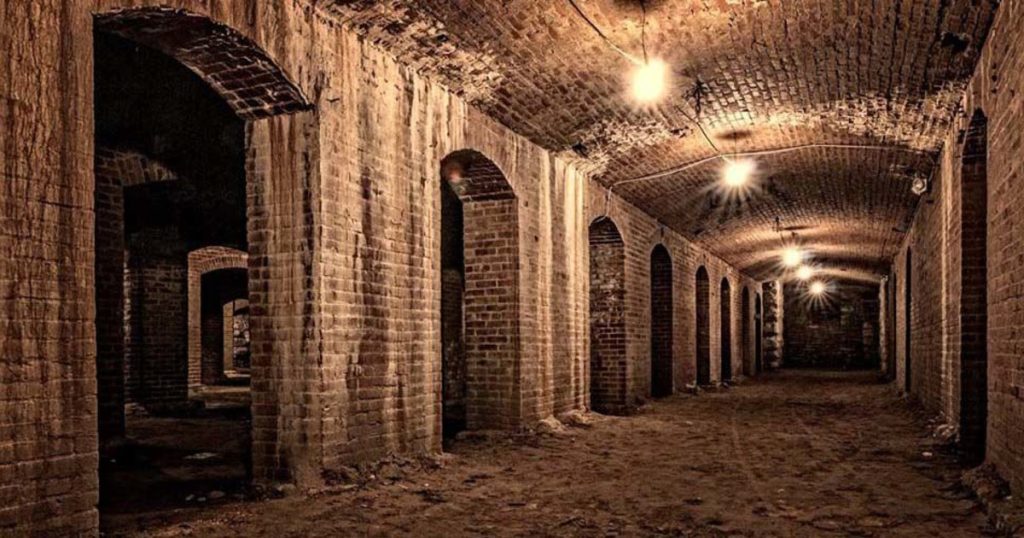
- Complex layouts, blocked exits, and poor lighting increase risk of disorientation.
- Maps, GPS devices, and communication protocols mitigate these risks.
4.4 Emergency Preparedness
- Always explore in pairs or groups, inform someone of location, and carry first-aid kits and emergency signaling devices.
5. Legal and Ethical Considerations
5.1 Trespassing and Property Rights
- Many ruins are on private property, making unauthorized access illegal.
- Urban explorers must research local laws, obtain permission, and avoid confrontation.
5.2 Preservation Ethics
- Ruins are fragile cultural artifacts, and exploration should minimize damage, graffiti, and artifact removal.
- Ethical exploration includes leaving sites as found and respecting historical integrity.
5.3 Public Safety and Liability
- Liability concerns exist for injuries or accidents during exploration.
- Following legal frameworks and safety protocols reduces risk for both explorers and property owners.
6. Techniques for Effective Exploration
6.1 Site Research and Preparation
- Research historical context, architectural plans, and past photographs or news reports.
- Understanding plumbing, electrical hazards, and access points enhances safety.
6.2 Navigation and Mapping
- Use GPS, drone reconnaissance, and digital floor plans to minimize risks.
- Marking entry and exit points is crucial for rapid evacuation.
6.3 Documentation
- Photography, video, and notes preserve visual and contextual records of sites.
- Tools include tripods, high-resolution cameras, drones, and lighting equipment.
6.4 Team Dynamics
- Exploring with partners improves safety, efficiency, and data collection.
- Roles may include navigator, photographer, equipment handler, and first responder.
7. Psychological and Social Aspects
7.1 Thrill-Seeking and Risk Perception
- Explorers often experience heightened adrenaline, anticipation, and novelty.
- Awareness of risk perception vs. actual danger is crucial for safe exploration.
7.2 Solitude and Reflection
- Some explorers seek isolation for contemplation, engaging with the aesthetic and historical ambiance.
7.3 Community and Knowledge Sharing
- Urbex communities share maps, techniques, photographs, and stories, fostering collaborative learning.
7.4 Ethical Storytelling
- Responsible documentation balances narrative, artistic expression, and historical accuracy.
8. Photography and Artistic Techniques
8.1 Composition Strategies
- Utilize leading lines, symmetry, contrast, and depth to highlight decay and scale.
- Capture textures of rust, moss, peeling paint, and structural fractures.
8.2 Lighting Techniques
- Low-light conditions require long exposure, tripods, and portable lighting.
- Natural light through broken windows or skylights can create dramatic shadow patterns.
8.3 Post-Processing and Enhancement
- Editing emphasizes texture, contrast, and mood, while preserving authenticity.
8.4 Storytelling Through Imagery
- Combine wide-angle shots of structures with detail-focused images to narrate the site’s history.
9. Environmental and Conservation Considerations
9.1 Impact of Human Activity
- Overexploration can accelerate structural decay, littering, and vandalism.
- Ethical exploration includes minimizing footprint and promoting awareness.
9.2 Ecological Integration
- Some ruins host unique flora and fauna, forming microhabitats.
- Explorers should avoid disturbing natural regeneration or wildlife.
9.3 Restoration and Adaptive Reuse
- Certain sites are candidates for restoration or adaptive reuse, preserving heritage while ensuring safety.
10. Case Studies of Notable Ruins
10.1 Pripyat, Chernobyl Exclusion Zone
- Abandoned after 1986 nuclear disaster; features residential, educational, and industrial structures.
- Offers insight into post-disaster urban abandonment, decay processes, and ecological resilience.
10.2 Detroit’s Industrial Ruins
- Factories and warehouses abandoned due to economic decline, now explored for industrial archaeology and urban art.
10.3 European Castles and Monasteries
- Medieval ruins demonstrate architectural ingenuity, feudal history, and preservation challenges.
10.4 Southeast Asian Colonial Structures
- Abandoned colonial buildings reflect cross-cultural architecture, historical trade routes, and post-colonial transitions.
11. Technological Innovations in Ruins Exploration
11.1 Drones and Aerial Surveying
- Facilitate remote inspection, mapping, and photographic documentation.
- Reduce risk in unstable structures by minimizing physical exposure.
11.2 3D Scanning and Modeling
- Laser scanning and photogrammetry create digital replicas, preserving structural and aesthetic details.
11.3 Virtual Reality and Educational Platforms
- VR reconstructions enable immersive historical experiences, allowing public engagement without physical risks.
11.4 Data Analytics and Crowd-Sourced Mapping
- Communities contribute geotagged images, structural notes, and condition reports, enhancing collective knowledge.
12. The Future of Urban Ruins Exploration
12.1 Integrating Science and Art
- Ruins exploration is increasingly interdisciplinary, combining history, architecture, ecology, and visual arts.
12.2 Ethical Standards and Guidelines
- Growing interest in formalizing urbex ethics to protect cultural heritage and public safety.
12.3 Community Engagement and Preservation
- Collaborative efforts with local authorities and heritage organizations can ensure responsible access, documentation, and preservation.
12.4 Global Networks
- Online communities and research initiatives connect explorers worldwide, fostering knowledge sharing and cultural exchange.
Conclusion
Urban ruins exploration transcends mere adventure; it is a complex, interdisciplinary practice that blends history, art, science, and psychology. These abandoned spaces serve as archives of cultural, industrial, and architectural heritage, offering insights into human innovation, decay, and resilience.
Safe and ethical exploration requires careful planning, respect for property and environment, and adherence to safety standards. By combining field research, photographic documentation, and community collaboration, urban explorers contribute to heritage preservation, education, and cultural understanding.
Ultimately, the exploration of ruins is not only about discovering abandoned spaces but also about connecting with history, understanding societal transformations, and reflecting on impermanence—all while navigating the delicate balance between adventure, risk, and responsibility.