






Introduction
The wilderness presents a unique set of challenges for maintaining health and preventing infections. Unlike urban settings, outdoor environments lack controlled sanitation, clean water sources, and immediate access to medical care. As outdoor recreation, extended trekking, and remote expeditions become increasingly popular, wilderness hygiene and infection control have emerged as critical areas of knowledge for adventurers, survivalists, and professionals alike.
Infections in the wild can range from minor skin irritations to life-threatening systemic infections, often exacerbated by environmental factors such as moisture, dirt, and extreme temperatures. Understanding how to maintain hygiene, manage wounds, prevent contamination, and control infectious risks is essential for both short-term survival and long-term health. This article explores the scientific principles, practical strategies, and professional guidelines for maintaining sanitation and infection control in wilderness settings, combining field-tested practices with modern medical understanding.
1. The Importance of Wilderness Hygiene
1.1 Environmental Risk Factors
Outdoor environments are rich in microbial life, including bacteria, viruses, fungi, and parasites. Risk factors for infection in the wild include:
- Contaminated water sources: Streams, lakes, and puddles often harbor pathogenic microorganisms.
- Soil and vegetation exposure: Cuts or abrasions can allow microbial entry.
- Wildlife interaction: Animals may carry zoonotic pathogens such as ticks, rodents, or insects.
- Crowded campsites: Shared facilities increase the likelihood of cross-contamination.
1.2 Consequences of Poor Hygiene
Neglecting hygiene in the wilderness can result in:
- Skin infections: Cellulitis, impetigo, or fungal infections.
- Gastrointestinal illness: Diarrhea, gastroenteritis, or parasitic infections from contaminated water or food.
- Respiratory infections: Often due to exposure to dust, mold, or close contact in shelters.
- Systemic infections: Sepsis or bloodstream infections in cases of untreated wounds.
2. Water Safety and Sanitation
2.1 Waterborne Pathogens
Water is a common vector for infections. Pathogens include:
- Bacteria: Escherichia coli, Salmonella, Campylobacter.
- Protozoa: Giardia lamblia, Cryptosporidium.
- Viruses: Norovirus, hepatitis A.
2.2 Water Treatment Methods
To prevent waterborne infections:
- Boiling: Bringing water to a rolling boil for 1–3 minutes kills most pathogens.
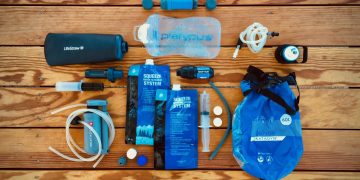
- Filtration: Portable filters remove bacteria and protozoa; some advanced filters remove viruses.
- Chemical disinfection: Chlorine or iodine tablets are effective but require proper contact time.
- UV treatment: Handheld UV devices can inactivate microorganisms effectively.
2.3 Hygiene Practices Around Water
- Avoid contaminating water sources with waste.
- Wash hands before handling drinking water or food.
- Use clean containers for storage and transport.
3. Food Hygiene in the Wild
3.1 Safe Food Handling
In wilderness settings:
- Store food securely: Prevent contamination from wildlife and insects.
- Cook thoroughly: Ensure meat and other high-risk foods reach safe internal temperatures.
- Separate raw and cooked foods: Prevent cross-contamination.
3.2 Foodborne Pathogens
- Bacteria: Salmonella, Listeria, E. coli.
- Parasites: Trichinella in undercooked meat.
- Spoiled food can cause gastrointestinal infections, which may become severe in remote settings.
3.3 Foraging and Wild Foods
Foraging introduces additional risks:
- Correct identification of edible plants is crucial. Misidentification can cause poisoning or systemic illness.
- Wash and prepare wild foods thoroughly before consumption.
- Avoid consumption of water-heavy plants from contaminated environments.
4. Personal Hygiene Practices
4.1 Hand Hygiene
Hands are the primary vector for pathogen transmission. Recommendations include:
- Handwashing: Use soap and water whenever available. Scrub for at least 20 seconds.
- Sanitizers: Alcohol-based hand sanitizers (≥60% alcohol) are effective when water is unavailable.
- Avoid touching the face: Reduces introduction of pathogens to eyes, nose, and mouth.
4.2 Skin and Clothing Hygiene
- Frequent bathing: Reduces microbial load on skin, particularly in hot or humid environments.
- Clean clothing: Regularly change socks and undergarments to prevent fungal infections.
- Protective clothing: Long sleeves, pants, and insect repellents reduce exposure to pathogens.
4.3 Waste Management
- Proper sanitation: Use designated toilets or practice cat-hole latrines at least 60 meters from water sources.
- Waste disposal: Pack out all non-biodegradable waste and treat human waste according to Leave No Trace principles.
5. Wound Care and Infection Control
5.1 Types of Wilderness Wounds
Common injuries include:
- Cuts and lacerations from rocks, vegetation, or tools.
- Abrasions and scrapes from falls.
- Blisters from friction during hiking or running.
5.2 Wound Cleaning Protocol
- Immediate irrigation: Use clean water to flush dirt and debris.
- Antiseptic application: Apply iodine, chlorhexidine, or alcohol-based solutions.
- Dressing: Cover wounds with sterile dressings to prevent further contamination.
- Monitoring: Observe for redness, swelling, warmth, or pus, which indicate infection.
5.3 Infection Prevention
- Tetanus prophylaxis: Ensure vaccinations are up to date.
- Antibiotics: Carry broad-spectrum antibiotics in high-risk expeditions, following medical guidance.
- Debridement: Remove dead tissue to prevent bacterial growth.
6. Vector-Borne and Zoonotic Infection Control
6.1 Insect-Borne Diseases
Mosquitoes, ticks, and flies can transmit:
- Lyme disease (ticks)
- Malaria (mosquitoes)
- West Nile virus (mosquitoes)
Prevention strategies include:
- Long-sleeved clothing and pants
- Insect repellents containing DEET or picaridin
- Sleeping under treated mosquito nets
6.2 Animal-Related Infections
- Avoid contact with wild animals.
- Use gloves when handling animal carcasses.
- Vaccinate for rabies if working in high-risk areas.
7. Respiratory Hygiene in Remote Settings
Respiratory infections can spread rapidly in camps and shelters:
- Maintain ventilation in tents and enclosed spaces.
- Practice cough etiquette and use masks if necessary.
- Minimize close contact when symptoms are present.
8. Specialized Practices for Extended Expeditions
8.1 Hygiene in Multi-Day Treks
- Carry portable sanitation kits.
- Rotate clothing to prevent microbial growth.
- Plan for water purification contingencies.
8.2 Cold Weather Hygiene
- Keep hands and feet dry to prevent frostbite and trench foot.
- Use moisture-wicking base layers.
- Change socks frequently and avoid prolonged damp clothing.
8.3 Hot and Humid Conditions
- Avoid prolonged skin moisture to reduce fungal infections.
- Protect against heat rash with breathable fabrics.
- Maintain hydration with safe water.
9. Emergency Infection Management
9.1 Recognizing Severe Infection
Signs of serious infection include:
- Fever and chills
- Red streaks from wounds
- Severe swelling or pus formation
- Systemic symptoms such as nausea or confusion
Immediate intervention is critical, even in remote areas.
9.2 Field Antibiotic Strategies
- Use antibiotics only under proper guidance.
- Carry a first aid kit with broad-spectrum antibiotics if medically appropriate.
- Evacuation plans should be prepared for severe infections.
9.3 Telemedicine and Remote Support
- Satellite phones and portable communication devices allow consultation with medical professionals.
- Remote diagnosis can guide treatment and evacuation priorities.
10. Training and Preparation
Effective infection control in the wild requires knowledge, practice, and preparedness:
- Pre-trip medical training: Wilderness first aid courses covering hygiene, wound care, and infection management.
- Equipment checklists: Portable hygiene supplies, water purification tools, and first aid kits.
- Scenario drills: Simulate infection and hygiene challenges to improve response times and decision-making.
Conclusion
Maintaining wilderness hygiene and infection control is critical for survival, health, and performance in remote environments. Through careful water management, personal hygiene, food safety, wound care, and vector control, outdoor enthusiasts can significantly reduce the risk of infections. Scientific understanding of microbial behavior, combined with practical field strategies, allows for safe and sustainable exploration of the natural world. By prioritizing hygiene, preparing adequately, and staying informed, individuals can enjoy wilderness experiences while minimizing health risks and ensuring long-term well-being.