








Introduction
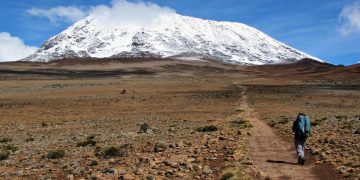
At nearly 19,341 feet (5,895 meters), Mount Kilimanjaro stands as the highest peak in Africa and one of the most iconic mountains on the planet. Its snow-capped summit, visible from miles away in the surrounding savannah, contrasts sharply with the tropical climate below, making it a striking symbol of natural beauty and ecological diversity. However, beyond its physical height, Kilimanjaro is also renowned for a unique atmospheric phenomenon—the floating sea of clouds, which often blankets the lower flanks of the mountain, creating an awe-inspiring visual spectacle.
This phenomenon is not just a captivating visual occurrence; it also holds deep significance for those who live near the mountain, the thousands of trekkers who make the pilgrimage to its summit, and the broader study of atmospheric science. The interplay between Kilimanjaro’s summit glaciers and the clouds beneath them presents a fascinating case study in climate change, ecological transitions, and the interconnectedness of nature.
This article will explore Mount Kilimanjaro’s geographical and ecological features, the scientific explanation behind the floating sea of clouds, the cultural and historical significance of the mountain, and the future challenges it faces as its glaciers and unique weather patterns undergo drastic changes. Through this, we will not only appreciate the mountain’s grandeur but also understand its role in the broader environmental and cultural landscape.
1. Mount Kilimanjaro: An Overview of Its Geography and Significance
1.1 The Structure and Location of Kilimanjaro
Mount Kilimanjaro is a free-standing volcanic mountain, located in northeastern Tanzania, near the border with Kenya. It is composed of three volcanic cones: Kibo, Mawenzi, and Shira. Kibo, the highest of the three, holds the summit of Kilimanjaro at Uhuru Peak. The mountain is part of the Kilimanjaro National Park and lies within a transition zone between the equatorial forest to the south and the savannah plains to the north.
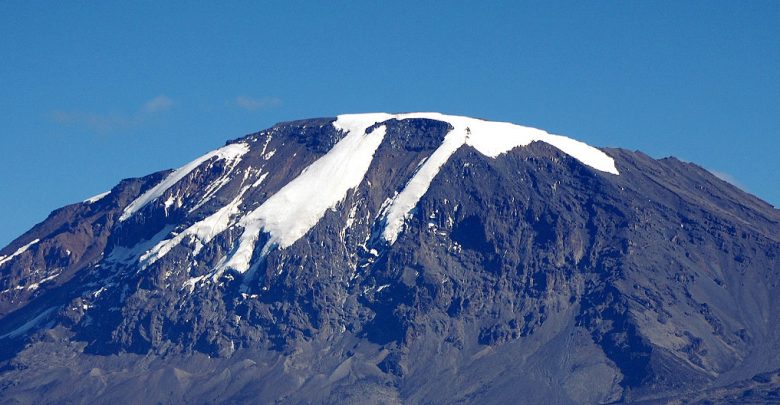
Kilimanjaro’s snow cap is one of the most remarkable features, particularly given its proximity to the equator. The glaciers at the summit exist in a delicate balance between tropical heat and high-altitude cold, which, over time, has created one of the most beautiful and rare ecosystems on the planet.
1.2 The Ecological Diversity of Kilimanjaro
Kilimanjaro’s ecological zones are diverse, influenced by the altitude and climate gradients across the mountain. These zones include:
- Rainforests (below 1,800 meters): Lush vegetation filled with tropical trees and diverse wildlife.
- Montane Forests (1,800-3,000 meters): Towering trees and diverse plant life, home to a variety of bird species and some primates.
- Alpine Moorland (3,000-4,000 meters): High-altitude, rugged terrain with hardy plant species like heather and giant lobelias.
- Alpine Desert (4,000-5,200 meters): Harsh, dry conditions with sparse vegetation, characterized by rocky terrain.
- Glacial Zone (above 5,200 meters): The snow and ice-covered summit, home to Kilimanjaro’s glaciers.
This ecological progression offers a rare opportunity to observe diverse biomes in close proximity, making Kilimanjaro a living laboratory for the study of climate, ecology, and human adaptation.
2. The Floating Sea of Clouds: What Is It?
2.1 The Atmospheric Conditions That Create the Cloud Sea
The floating sea of clouds—a term used to describe the vast, thick clouds that often appear to “float” beneath the summit of Kilimanjaro—forms under specific meteorological conditions. These clouds are typically found at the boundary between the lower altitudes of the mountain, which are warmer, and the cold, high-altitude air near the peak.
Several factors contribute to the formation of this cloud formation:
- Airflow and Topography: As moist air from the Indian Ocean and surrounding plains is forced upward by the slopes of the mountain, it cools and condenses. The upward movement of the air is enhanced by Kilimanjaro’s vertical relief, which causes the clouds to form in layers around the midsection of the mountain.
- Temperature Differences: Kilimanjaro’s location near the equator means that temperatures at the base are often very high, while temperatures at higher elevations can dip below freezing. This sharp contrast between tropical heat and alpine cold creates ideal conditions for cloud formation.
- Wind Patterns: The wind also plays a role in lifting the cloud mass and allowing it to drift, creating the visual effect of a “sea” of clouds stretching out below the summit.
2.2 Visual and Emotional Impact of the Floating Clouds
The sight of Kilimanjaro’s peak emerging from the floating sea of clouds is a breathtaking spectacle that often leaves climbers and onlookers in awe. The clouds create an ethereal, almost surreal scene, with the mountain appearing as though it is rising out of a vast ocean of mist.
For climbers ascending the mountain, encountering this phenomenon can be a defining moment of their journey, evoking feelings of awe, reverence, and a deeper connection to nature. It is a reminder of the majesty and mystery of Kilimanjaro—an ancient force of nature that has shaped both the landscape and the cultures around it.
3. The Cultural and Historical Significance of Mount Kilimanjaro
3.1 The Mountain in African Mythology and Local Culture
For the Chaga people and other indigenous groups living near Kilimanjaro, the mountain is not merely a geographical feature but a central element of their cultural and spiritual identity. It is often regarded as a sacred place, with many local myths and legends surrounding it.
The Chaga people, for example, have a story that describes the mountain as a home to the gods, where rituals and sacrifices were made to ensure good harvests and protection from calamities. The glaciers at the summit were believed to be the tears of ancestral spirits.
Kilimanjaro’s presence also plays a crucial role in local communities’ daily lives, providing resources such as water from its glaciers and supporting agriculture in the surrounding regions.
3.2 The Mountain as a Symbol of Adventurous Spirit
Kilimanjaro has long been a symbol of adventure and exploration. The first recorded ascent to the summit was in 1889 by Hans Meyer and Ludwig Purtscheller, and since then, the mountain has attracted thousands of trekkers and mountaineers. It is often considered one of the most accessible of the world’s great peaks, offering a non-technical route to the summit.
For many climbers, reaching the summit of Kilimanjaro is a lifetime achievement, a testament to human endurance, perseverance, and the desire to conquer the highest point in Africa.
4. The Effects of Climate Change on Kilimanjaro’s Glaciers
4.1 Rapid Glacial Retreat
The glaciers of Mount Kilimanjaro, once vast and majestic, are rapidly retreating. Studies have shown that since the early 20th century, the glaciers have lost more than 80% of their volume. In recent decades, the melting has accelerated, with projections suggesting that the remaining glaciers could disappear completely within a few decades.
This rapid retreat is primarily attributed to climate change, as rising global temperatures have significantly altered the climate of Kilimanjaro and the surrounding region.
4.2 Impact on Local Ecosystems
The loss of Kilimanjaro’s glaciers has profound implications for local ecosystems. The glaciers serve as a source of fresh water for the surrounding communities, feeding into rivers that support agriculture, drinking water, and local industries. As the glaciers recede, water resources become less predictable, increasing the vulnerability of local populations.
5. The Role of Mount Kilimanjaro in Modern Climate Research
5.1 Kilimanjaro as a Climate Indicator
Mount Kilimanjaro serves as a key indicator of climate change, with its shrinking glaciers offering a clear sign of the warming planet. Because the mountain has been the subject of extensive scientific study over the years, it provides valuable data for researchers studying the impacts of climate change in the tropics.
The ice cores from Kilimanjaro’s glaciers have revealed insights into past climatic conditions, allowing scientists to better understand the historical climate patterns and predict future trends. The loss of glaciers on Kilimanjaro is also a reflection of global trends in the retreat of mountain glaciers, particularly in tropical regions.
6. The Future of Mount Kilimanjaro: Conservation and Sustainability
6.1 Protecting Kilimanjaro’s Unique Ecosystems
Efforts are underway to conserve the natural environment around Kilimanjaro. Kilimanjaro National Park, a UNESCO World Heritage Site, plays a crucial role in protecting the mountain’s biodiversity and the ecosystems that depend on it. The park’s management works to regulate tourism, reduce the impact of climate change, and ensure that the area’s flora and fauna are preserved for future generations.
One of the challenges in conservation is balancing the needs of local communities with the protection of the environment. Sustainable tourism practices, such as limiting the number of trekkers and ensuring that local guides and porters are properly trained, are key to minimizing human impact on the mountain.
6.2 The Role of Local Communities in Conservation
Local communities are central to the conservation efforts around Kilimanjaro. Many people living near the mountain rely on its resources for their livelihoods, and it is essential that they are involved in the conservation process. Initiatives that support sustainable farming practices, eco-friendly tourism, and community-based conservation are vital for the long-term health of both the mountain and its surrounding communities.
Conclusion
Mount Kilimanjaro, with its majestic snow-capped peak and the awe-inspiring phenomenon of the floating sea of clouds, is much more than a natural wonder. It is a living symbol of the interplay between natural beauty, cultural heritage, and environmental change. As one of the most iconic mountains on Earth, it holds a special place in the hearts of adventurers, scientists, and locals alike.
However, the rapid melting of its glaciers, driven by global climate change, serves as a poignant reminder of the fragility of our planet’s ecosystems. The fate of Kilimanjaro’s glaciers, and the mountain’s unique cloud formations, is tied to the broader global conversation about climate change and conservation. The preservation of Kilimanjaro is not just about protecting a natural wonder—it is about safeguarding the fragile relationship between humans and the environment for generations to come.
As we continue to study and appreciate Mount Kilimanjaro, we must also act to ensure that its splendor remains for future generations. The floating clouds and snow-capped peak, a visual testament to the resilience of nature, serve as a powerful reminder of the beauty and fragility of the world we inhabit.