








Introduction
The Bermuda Triangle, a loosely defined region in the western part of the North Atlantic Ocean, has captured human imagination for decades. Often described as a zone where ships, planes, and people vanish mysteriously, it has been the subject of countless theories, from the scientific to the fantastical. Despite its reputation as a place of unexplained disappearances, modern research indicates that the mystery may be less about the supernatural and more about geography, weather, and human error.
This article explores the Bermuda Triangle from multiple perspectives: its geography, historical incidents, scientific explanations, and cultural impact. By examining these factors, we aim to provide a thorough understanding of the phenomena often associated with this enigmatic area.
1. Defining the Bermuda Triangle
1.1 Geography and Boundaries
The Bermuda Triangle is not formally recognized as an official maritime or airspace zone, but it is commonly defined by three points:
- Miami, Florida
- Bermuda
- San Juan, Puerto Rico
This roughly triangular region spans over 500,000 square miles of ocean, characterized by open waters, numerous islands, and significant shipping and flight traffic. Its size and traffic density contribute to the number of incidents reported, but also complicate the analysis of what is genuinely unusual versus statistically expected.
1.2 Climatic and Oceanographic Features
The Bermuda Triangle lies within the North Atlantic subtropical gyre, a region with strong currents, warm waters, and frequent storm activity. Several oceanographic features play a critical role in the region’s hazards:
- Gulf Stream: One of the fastest and strongest ocean currents in the world, capable of rapidly dispersing debris, which makes locating wreckage extremely difficult.
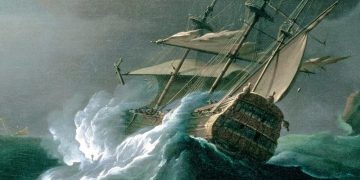
- Sudden Weather Changes: The area is prone to tropical storms, hurricanes, and sudden squalls, which can appear without warning and pose significant threats to both air and sea travel.
- Seafloor Topography: The ocean floor beneath the Triangle features deep trenches and sharp underwater slopes, which can exacerbate navigation errors and complicate search and rescue operations.
2. Historical Incidents and Reports
2.1 Early Accounts of Disappearances
Reports of unexplained disappearances in the Bermuda Triangle date back to the early 20th century. Some notable cases include:
- Flight 19 (1945): A squadron of five U.S. Navy bombers vanished during a training mission, prompting extensive searches that also failed to recover the aircraft or crew.
- USS Cyclops (1918): A U.S. Navy cargo ship with over 300 personnel disappeared without a trace, marking the largest non-combat loss in U.S. Navy history.
- Commercial Flight Disappearances: Several smaller commercial flights and private vessels have been reported missing, often cited in media as part of the Bermuda Triangle mystery.
2.2 Patterns in Disappearances
While the stories are compelling, closer analysis reveals some patterns:
- Most disappearances occurred during stormy weather or when vessels were operating without modern navigation tools.
- Many incidents involved inexperienced operators or mechanically vulnerable vehicles, making them statistically more likely to encounter accidents.
- The lack of wreckage in some cases is largely attributed to deep ocean trenches and powerful currents, rather than supernatural causes.
3. Scientific Explanations
3.1 Weather and Ocean Conditions
The Atlantic Ocean in the Bermuda Triangle is known for unpredictable weather systems:
- Hurricanes and Tropical Storms: Sudden and severe storms can appear rapidly, creating high winds, waves, and poor visibility.
- Waterspouts: Tornado-like waterspouts over the ocean can cause structural damage to ships and aircraft.
- Microbursts: Sudden downdrafts of air can create extreme turbulence for airplanes, potentially leading to crashes.
3.2 Human Error
Many experts argue that human error accounts for a significant proportion of incidents:
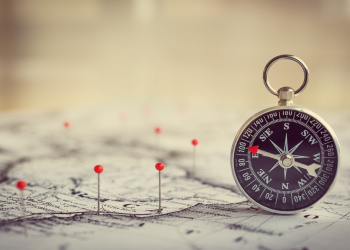
- Navigational mistakes: Before the advent of GPS, pilots and sailors relied on magnetic compasses, which can be influenced by geomagnetic anomalies.
- Fatigue and misjudgment: Long hours, stress, and unfamiliar routes increase the likelihood of mistakes.
- Poor preparation: Inadequate knowledge of local weather patterns or underestimating storm intensity has contributed to accidents.
3.3 Methane Hydrate Gas Eruptions
Some researchers have proposed methane hydrate eruptions from the seafloor as a possible explanation:
- Methane gas trapped under the ocean floor can erupt, forming bubbles that reduce water density.
- Ships sailing over these eruptions could lose buoyancy and sink rapidly, leaving little trace.
- While intriguing, this theory is difficult to verify and likely accounts for only a small subset of cases.
3.4 Magnetic Anomalies
The Bermuda Triangle is sometimes noted for magnetic variations:
- Pilots have reported compass malfunctions, which could cause disorientation.
- However, modern studies indicate that magnetic anomalies are not significantly different from other regions, and navigational errors are largely human-induced.
4. Debunking the Myths
4.1 Media Sensationalism
The perception of the Bermuda Triangle as a supernatural zone is largely fueled by books, movies, and media reports:
- Authors like Charles Berlitz popularized tales of mystery and alien intervention.
- Sensational stories often exaggerate the frequency or nature of incidents, making the area appear more dangerous than it statistically is.
4.2 Statistical Analysis
- Studies have shown that the Bermuda Triangle does not have a higher incidence of disappearances compared to other heavily traveled ocean regions.
- With thousands of vessels and aircraft passing through annually, the number of accidents falls within expected statistical ranges.
4.3 Advances in Technology
Modern technology, including satellite navigation, radar, and weather prediction, has dramatically reduced the risks associated with traversing the Triangle. Today, disappearances are exceedingly rare compared to historical rates, supporting the argument that many earlier incidents were due to limitations in navigation and meteorology.
5. Cultural Impact and Continuing Fascination
5.1 The Bermuda Triangle in Popular Culture
The Bermuda Triangle continues to captivate the public imagination:
- Movies, documentaries, and television shows have depicted mysterious disappearances, alien interventions, and supernatural forces.
- Tourist attractions in Bermuda and surrounding areas capitalize on the legend, offering themed tours and experiences.
5.2 Psychological Appeal
- Humans are naturally drawn to mystery and danger, and the Bermuda Triangle embodies both.
- Stories of unexplained events offer a sense of thrill and curiosity, while also providing material for storytelling, art, and entertainment.
6. Lessons from the Bermuda Triangle
6.1 Preparedness and Caution in Exploration
The Bermuda Triangle underscores the importance of preparation, caution, and respect for nature:
- Understanding weather systems, currents, and navigation techniques is critical.
- Modern adventurers benefit from technology, but should never underestimate the power of the ocean.
6.2 Scientific Skepticism
The story of the Bermuda Triangle highlights the value of critical thinking:
- Not every anomaly is supernatural; many have plausible scientific explanations.
- Encouraging curiosity balanced with evidence-based reasoning helps separate myth from reality.
Conclusion
The Bermuda Triangle remains one of the most famous maritime legends in human history. However, modern research shows that the vast majority of disappearances can be attributed to natural phenomena, human error, and oceanographic conditions rather than mysterious forces. While the legend continues to inspire fascination, science offers a grounded understanding of why this region has earned its ominous reputation. By combining knowledge of weather patterns, ocean currents, and human factors, we gain a comprehensive explanation of the Bermuda Triangle — revealing that sometimes, the most mysterious phenomena are rooted in the natural world.