








Introduction
The road trip, once a staple of American culture, is experiencing a remarkable resurgence worldwide. From the classic cross-country journeys of the mid-20th century to today’s modern-day adventures, the open road continues to capture the imagination of travelers everywhere. The allure of spontaneous travel, the freedom to explore at one’s own pace, and the ability to create lasting memories along the way have made the road trip an enduring symbol of adventure and escape.
In recent years, the road trip culture has not only been revived but also redefined in the context of new travel trends, social media influence, and modern road infrastructure. This article explores the reasons behind the renewed popularity of road trips, the evolution of the road trip experience, the cultural significance of these journeys, and the broader implications of this travel style on both the tourism industry and personal well-being.
1. The Cultural Rebirth of the Road Trip
1.1 Historical Roots of Road Trip Culture
The concept of the road trip has deep roots in American culture, closely tied to the growth of the automobile industry and the expansion of highways in the early 20th century. The development of the Interstate Highway System in the 1950s made it possible for families, adventurers, and explorers to travel across vast stretches of land in relatively short periods of time.
- Iconic Road Trips: The 1939 film The Grapes of Wrath, the Route 66 mythos, and Jack Kerouac’s On the Road solidified the romanticized image of the road trip, portraying it as a means of self-discovery, freedom, and escape.
- The American Dream: For many, the road trip came to symbolize the pursuit of the American Dream, with the open road representing endless possibilities and new horizons.
This culture continued throughout the 20th century, fueled by the rise of the car culture and the desire for exploration in a rapidly modernizing world.
1.2 The Influence of Social Media and Pop Culture
Today’s road trip resurgence can be largely attributed to the influence of social media, where platforms like Instagram, YouTube, and TikTok have transformed how people document and share their travel experiences. These platforms have made road tripping an aspirational lifestyle, often accompanied by hashtags like #vanlife, #roadtripadventures, and #openroad.
- Aesthetic Appeal: Scenic landscapes, picturesque highways, and stunning landmarks have made road trips a central theme in digital content creation. The perfect photo of a sunset over an open highway or a candid moment at a quirky roadside attraction is now part of the modern travel narrative.
- Influencer Culture: Social media influencers and travel bloggers have romanticized road trips, often portraying them as an ideal way to escape the mundanity of everyday life. The #vanlife movement in particular has popularized the idea of living on the road and traveling full-time.
With influencers documenting every twist and turn of their journeys, the road trip has been catapulted into the cultural spotlight, inspiring millions to take off on their own adventures.
2. The Appeal of the Road Trip in Modern Times
2.1 Escaping the Routine: The Desire for Freedom
At its core, the road trip represents freedom and escape. In a world that is increasingly fast-paced and interconnected, the idea of getting in a car and driving off into the unknown offers an irresistible break from the routine.
- Mental Health Benefits: Many people view road trips as a form of mental wellness, offering an opportunity to disconnect from the stresses of modern life, relax, and recharge.
- Spontaneity and Adventure: The unpredictability of the journey, the ability to stop whenever you want, and the freedom to change routes on a whim make road trips inherently exciting.
For some, a road trip is about self-discovery or embarking on a soul-searching journey, while for others, it’s simply a chance to unwind, explore new places, and enjoy the company of loved ones.
2.2 Reconnecting with Nature and the Outdoors
One of the driving forces behind the renewed popularity of road trips is the desire to connect with nature. After years of being confined indoors or tethered to digital devices, many travelers are seeking outdoor experiences that allow them to immerse themselves in natural surroundings.
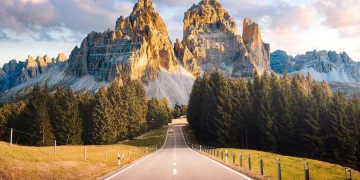
- Scenic Drives: Iconic routes like the Pacific Coast Highway, the Great Ocean Road, and Blue Ridge Parkway provide some of the most breathtaking scenic drives, showcasing natural beauty from the comfort of a car.
- National Parks and Outdoor Adventures: Road trips often serve as gateways to national parks, hiking trails, campsites, and lakes that allow travelers to disconnect and reconnect with nature.
In particular, the COVID-19 pandemic led to a surge in domestic travel, as people sought ways to enjoy a sense of adventure while staying closer to home. National parks and remote, less crowded destinations became a major focus for road-trippers seeking safe ways to explore.
2.3 The Rise of “Vanlife” and Overlanding
The vanlife trend has brought a new dimension to road trips. The ability to live and travel in a mobile home has become a central part of the road trip narrative, allowing people to combine the freedom of a road trip with the comforts of home.
- Self-Sufficiency and Minimalism: Vanlife encourages self-sufficiency, with travelers outfitting their vans with all the essentials for cooking, sleeping, and living on the road. This minimalist lifestyle is appealing to those seeking a simple, sustainable way to live and travel.
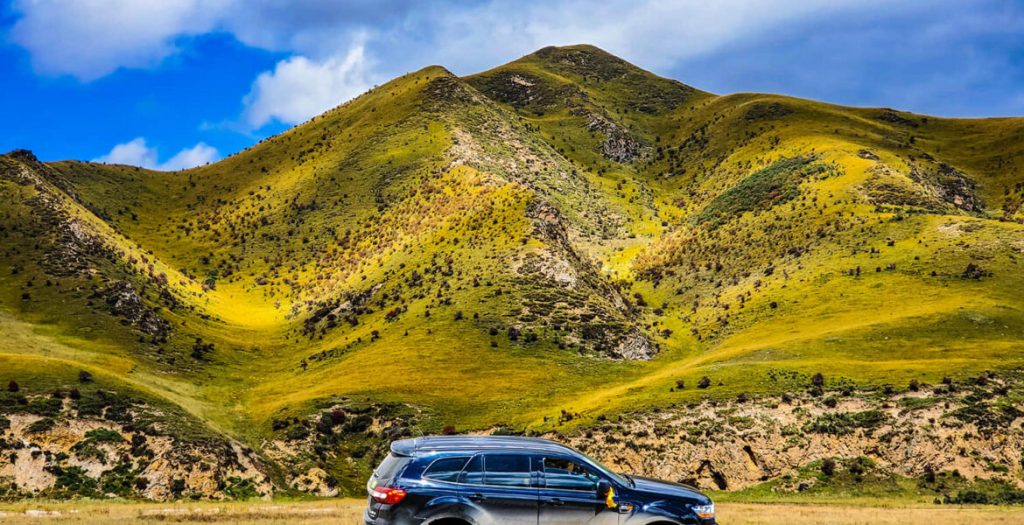
- Overlanding: For the more adventurous, overlanding – a type of off-road, self-sufficient travel – has become a popular road trip variation. Overlanders often drive rugged, remote terrains in 4×4 vehicles, camping in nature along the way and living off-grid.
With platforms like #VanLife, #Overlanding, and #TinyHomeLiving, this movement has become a central element of modern road trip culture.
3. Road Trip Planning: Key Considerations
3.1 Route Selection: Where to Go
Choosing the right road trip route is a critical step in planning. The options are endless, from long, cross-country expeditions to short weekend getaways. Here are some popular types of routes:
- Iconic Roadways: Famous routes like Route 66, The Trans-Canada Highway, The Great Ocean Road, and the Wild Atlantic Way have become almost legendary, each offering unique landscapes and experiences.
- National Parks: The United States has an extensive network of national parks that are ideal for road trips, such as Yellowstone, Yosemite, Grand Canyon, and Zion.
- Themed Road Trips: Some travelers prefer thematic journeys, such as those focused on history, architecture, or food. The Wine Country roads of California or the Historic Civil Rights Route in the southern U.S. are excellent examples of how road trips can be tailored to specific interests.
- Coastal Drives: Scenic coastal routes like the Pacific Coast Highway and Amalfi Coast offer beautiful views of the ocean and opportunities for beachside stops.
3.2 Packing and Preparation
The key to a successful road trip is careful planning and packing:
- Essentials: Always carry a first-aid kit, snacks, water, and emergency supplies.
- Entertainment: Bring along music playlists, audiobooks, or podcasts to make the driving experience enjoyable.
- Travel Apps: Use apps like Google Maps, Roadtrippers, and GasBuddy to find the best routes, local attractions, and gas stations along the way.
3.3 Accommodations: Camping vs. Hotels
One of the great benefits of road tripping is the flexibility of accommodation. Travelers can choose to stay in a range of options:
- Camping: For those who prefer a more rustic experience, camping is an ideal way to connect with nature and save money. National parks and other outdoor areas often have campgrounds that are accessible by car.
- Hotels and Motels: For more comfort, road trippers can book hotels or motels along the way. This provides a nice balance between adventure and relaxation.
- Airbnb: Many travelers prefer booking Airbnb accommodations, which offer unique stays, from cozy cottages to renovated barns and even luxury RVs.
4. The Social and Cultural Impact of Road Trips
4.1 Connecting with Local Communities
Road trips allow travelers to experience life in small towns and rural communities that are often overlooked by mainstream tourism. These interactions can lead to meaningful connections and a deeper understanding of local culture.
- Local Cuisine: Sampling local food and regional specialties is an essential part of the road trip experience. From roadside diners and food trucks to family-owned restaurants, every stop offers a unique culinary experience.
- Small-Town Charm: Road trippers often enjoy exploring hidden gems, such as historic landmarks, quirky shops, or local art galleries, offering insight into the heart and soul of a community.
4.2 Sustainable Travel and the Road Trip
With increased focus on sustainable travel, road trips can be an eco-friendly way to explore, particularly when compared to flying. Driving a fuel-efficient car or an electric vehicle (EV) can significantly reduce the carbon footprint of the trip.
- Slow Travel Movement: The slow travel movement, which promotes taking the time to experience places more deeply, aligns well with road trips. Instead of rushing to multiple destinations in a short period, road trippers can spend longer periods in each location, reducing their environmental impact.
Conclusion
The road trip is far from being a fading tradition. Instead, it is undergoing a powerful revival as modern travelers seek new ways to explore, connect with nature, and escape the constraints of everyday life. Thanks to its blend of freedom, adventure, and nostalgia, the road trip continues to captivate and inspire, offering a timeless way to experience the world, one mile at a time.
Whether you’re navigating the scenic routes of North America, driving through Europe’s coastal roads, or exploring remote off-the-grid regions, the road trip remains a defining experience for today’s adventurers, encouraging spontaneous travel, cultural exploration, and a deep connection to the open road.