









Survival in maritime and island environments represents one of the most challenging forms of wilderness survival. Unlike terrestrial survival, where freshwater, vegetation, and familiar wildlife may be present, islands and open seas present unique constraints—limited resources, unpredictable weather, isolation, and the constant threat of natural hazards. The study and practice of sea and island survival is not only essential for sailors, adventurers, and castaways but also offers profound insights into human resilience, adaptability, and ingenuity.
This article explores the principles, strategies, challenges, and techniques of survival in maritime and island environments. It emphasizes the preparation required, the knowledge of natural resources, and the mental and physical resilience necessary to endure these extreme conditions. By combining real-world case studies, historical examples, and modern survival strategies, this article provides a comprehensive guide for understanding what it takes to survive in isolated islands and the open ocean.
1. Introduction: The Unique Challenges of Maritime and Island Survival
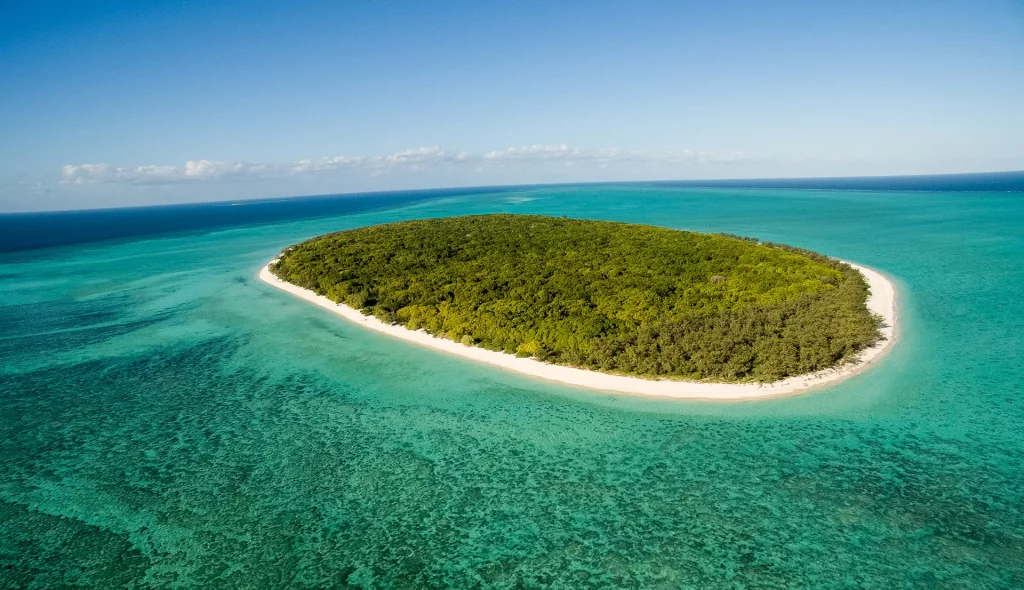
Islands, particularly uninhabited ones, and maritime environments offer few of the conventional comforts humans rely upon for survival. These environments are defined by several distinctive challenges:
- Limited Freshwater: Many small islands lack natural freshwater sources, forcing survivors to rely on rainwater collection or improvised desalination methods.
- Scarce Food Resources: Availability of edible plants, fish, and birds can vary greatly depending on location, season, and ecosystem.
- Exposure to Weather: Hurricanes, typhoons, monsoons, and extreme sun exposure are common in maritime regions, demanding protective strategies and shelters.
- Isolation: Lack of communication or nearby assistance requires self-reliance and effective problem-solving.
Historically, humans have survived in these environments for centuries, from ancient Polynesian navigators to modern-day adventurers and shipwreck survivors. Understanding the intersection of natural resource management, survival skills, and human psychology is critical for navigating these extreme conditions.
2. Essential Principles of Sea and Island Survival
Successful survival in maritime and island environments depends on a combination of preparation, adaptability, and skillful resource utilization. Several core principles underpin effective survival strategies:
2.1 Prioritizing Survival Needs
Following a hierarchy of survival priorities is essential. Experts often use the “rule of threes” to emphasize the most pressing needs for human survival:
- Shelter from the Elements: Protection from heat, cold, rain, and storms is paramount. Improvised shelters, natural caves, or vegetation-based structures are often employed.
- Fresh Water: Without access to clean water, humans can survive only a few days. Techniques include collecting rainwater, using solar stills, or filtering water from streams and vegetation.
- Food: Although humans can survive for several weeks without food, energy is crucial for physical activity, mental acuity, and maintaining body heat. Fishing, foraging, and trapping small animals provide essential nutrition.
- Signaling for Rescue: While survival skills keep one alive, signaling for rescue is often the most effective route to safety. This can include visual signals, fires, mirrors, or improvised radio equipment.
2.2 Psychological Resilience
Mental toughness is as critical as physical preparation. Isolation, uncertainty, and physical exhaustion can rapidly degrade decision-making and morale. Techniques to maintain psychological resilience include:
- Routine and Structure: Establishing daily routines to manage tasks and conserve energy.
- Positive Mindset: Maintaining hope and focusing on achievable goals prevents despair.
- Problem-Solving and Creativity: Resource scarcity requires improvisation, from fashioning tools to constructing shelters.
3. Navigating and Understanding the Environment
Knowledge of the environment is vital for survival. Maritime and island environments can be deceptively complex, with microclimates, dangerous currents, and variable food availability.
3.1 Reading Natural Indicators
Survivors must interpret natural signals to make informed decisions:
- Sun and Stars: Ancient navigators relied on celestial bodies to orient themselves; modern survivors can use them to maintain a sense of direction.
- Wave and Wind Patterns: Understanding prevailing winds and currents helps locate fishing zones, safe landing areas, or routes to larger landmasses.
- Animal Behavior: Birds and marine life often indicate freshwater sources, safe landing zones, or the presence of edible fish.
3.2 Resource Mapping
Islands may contain a variety of natural resources:
- Vegetation: Palms, coconuts, and sea grapes provide food, water, and materials for shelter or tools.
- Marine Life: Fish, crustaceans, mollusks, and seaweed are critical protein and mineral sources.
- Minerals and Rocks: Stones can be fashioned into cutting tools or fire starters, and shells can be used for utensils or containers.
4. Shelter Strategies in Maritime and Island Environments
Exposure to sun, rain, wind, and storms poses immediate threats in survival scenarios. Shelter provides a stable environment, conserves energy, and protects against wildlife.
4.1 Types of Improvised Shelters
- Natural Shelters: Caves, overhangs, and dense vegetation provide immediate protection.
- Man-Made Structures: Using driftwood, palm fronds, or debris from wreckage, survivors can construct lean-tos, A-frame shelters, or windbreaks.
- Elevated Platforms: In regions with flooding or insect infestations, building raised shelters can improve safety and comfort.
4.2 Thermal Regulation
Islands near the equator pose heat risks, while subpolar maritime islands introduce cold stress. Techniques for thermal regulation include:
- Insulation: Using plant material, dry grass, or leaves to maintain body heat during cold nights.
- Shade Construction: Erecting shelters that block direct sunlight reduces the risk of heatstroke.
- Ventilation: Designing shelters to allow airflow improves comfort in humid, tropical conditions.
5. Water Procurement and Purification
Freshwater is the most critical survival requirement in maritime and island contexts. Dehydration can be fatal within days, making water procurement the top priority.
5.1 Water Sources
- Rainwater Collection: Rainwater can be collected using leaves, tarps, or improvised containers.
- Groundwater: Digging shallow pits near vegetation or streambeds may reveal potable water.
- Coconuts and Other Fruits: Many tropical fruits contain drinkable fluids that can temporarily supplement hydration.
5.2 Water Purification Techniques
- Boiling: The most reliable method for killing pathogens.
- Solar Still: Using solar heat to evaporate and condense water removes salt and contaminants.
- Filtration: Cloth filters or improvised sand/charcoal filters reduce sediment and improve water quality.
6. Food Procurement and Nutritional Strategies
While water is vital, sustaining energy through nutrition is necessary for endurance, cognitive function, and thermoregulation.
6.1 Fishing Techniques
- Spearfishing: Using sharpened sticks or improvised spears.
- Trap Construction: Rock enclosures or nets can catch small fish and crustaceans.
- Tidal Pools: Sheltering marine life in tidal pools provides accessible protein sources.
6.2 Foraging and Plant Consumption
- Edible Fruits: Coconuts, breadfruit, pandanus, and sea grapes are common island resources.
- Seaweed and Algae: High in minerals, vitamins, and protein; often abundant along rocky shores.
- Caution Against Toxic Plants: Knowledge of edible vs. toxic species is crucial to prevent poisoning.
7. Fire and Heat Management
Fire is critical for warmth, cooking, and signaling. In island and maritime contexts, creating fire can be challenging due to high humidity and lack of conventional fuel.
- Driftwood: Often the most accessible fuel source along beaches.
- Stone and Friction: Techniques like the bow drill or fire plow can ignite dry materials.
- Fire for Signaling: Large smoke plumes attract attention from passing ships or aircraft.
8. Signaling for Rescue
Survival ultimately depends on being rescued or self-extracted from the environment. Effective signaling strategies include:
- Visual Signals: Large letters on the sand, mirrors, flares, and fires.
- Auditory Signals: Whistles, drums, or banging on metal surfaces to attract attention.
- Improvised Technology: Reflective surfaces, radios, or emergency beacons increase the chance of rescue.
9. Case Studies of Island and Sea Survival
Historical and contemporary survival accounts provide insight into practical applications of these strategies:
- Alexander Selkirk: The inspiration for Robinson Crusoe, survived four years on a deserted Chilean island using resourcefulness and ingenuity.
- The Whaleship Essex Crew (1820s): Survived weeks adrift in the Pacific using improvised rafts, fishing, and rainwater collection.
- Modern Adventure Castaways: Solo sailors and stranded tourists often rely on GPS signaling, desalination devices, and knowledge of edible marine life.
10. Conclusion
Sea and island survival represents one of the ultimate tests of human ingenuity, resilience, and adaptability. While modern technology has increased the safety and accessibility of remote maritime adventures, the fundamental principles of shelter, water, food, and signaling remain unchanged. Understanding the environment, leveraging natural resources, and cultivating mental resilience are essential for enduring isolation and extreme conditions.
As interest in maritime and island survival grows—through adventure tourism, scientific exploration, and extreme sports—the lessons learned from both historical and contemporary experiences highlight the enduring need for preparation, knowledge, and respect for nature. Mastering these skills not only ensures survival but deepens our appreciation for the resilience of both humans and the ecosystems we navigate.