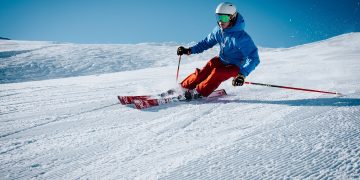










Skiing down the towering peaks of a snow-covered mountain is one of the most exhilarating experiences a person can have. Whether it’s gliding down the pristine, powdery slopes of the Alps or navigating the treacherous, windswept ridges of the Andes, the act of skiing down a snow-capped summit combines the thrill of high-speed adventure with the beauty and serenity of the alpine world. But beyond the rush, it is also a pursuit that demands precision, skill, and an intimate understanding of both nature and physics.
This article explores the multifaceted world of skiing down snow-capped mountains, from the technical aspects of extreme skiing to the mental and physical demands it places on athletes. It will delve into the history of mountain skiing, the evolution of the sport, the most famous peaks around the world where skiers seek their thrills, and the profound connection between humans and mountains that skiing fosters. For both the seasoned professional and the aspiring adventurer, skiing down a mountain peak is a challenge that requires not just athleticism but a deep respect for the environment.
1. Introduction: The Allure of Snow-Capped Summits
There’s something deeply captivating about snow-covered mountain peaks. Whether it’s the glimmering white blanket that stretches over the jagged ridges or the sense of awe inspired by their towering presence, mountains have always held a special place in human imagination. For centuries, people have attempted to conquer these massive, frozen heights, with skiing becoming one of the most thrilling and popular ways to explore them.
The history of skiing dates back thousands of years to ancient civilizations that used skis as a mode of transportation in snow-covered regions. However, it wasn’t until the 19th and 20th centuries that skiing, particularly downhill skiing, transformed into the competitive sport we know today. Today, skiing down mountain peaks is not only a professional sport but also an adventurous pastime for thrill-seekers who crave an adrenaline rush amidst one of nature’s most awe-inspiring landscapes.
But skiing down a snow-capped summit is not just about speed; it’s a combination of skill, respect for nature, and the ability to read the terrain. The mountains, with their ever-changing weather conditions, shifting snow patterns, and unpredictable slopes, present a unique set of challenges for skiers. Understanding these dynamics is critical to navigating some of the world’s most famous and difficult peaks.
2. The Evolution of Skiing: From Transportation to Extreme Sport
2.1 The Origins of Skiing
Skiing, as a mode of transportation, dates back to ancient times. Evidence suggests that the first skis were used by the Norse and Siberian peoples to travel across snow-covered landscapes. These early skis were designed to help people move through deep snow, facilitating hunting and transportation during the winter months. Over time, skiing evolved from a practical necessity to a recreational activity, especially in the colder regions of Europe and North America.
2.2 The Rise of Alpine Skiing
The real turning point for skiing as a sport came in the mid-19th century when European and Scandinavian enthusiasts began to use skiing for recreation and competition. Skiing as a competitive sport took off in Norway, and by the 1900s, alpine skiing had become popular in the Alps. Ski resorts were established, and ski competitions were organized, making it possible for people to ski down mountain slopes at speeds unimaginable in earlier times.
Alpine skiing, which involves descending snow-covered mountains with specialized equipment, became a symbol of both athletic achievement and the allure of the mountains. The iconic image of a skier descending a pristine snow-covered peak became synonymous with the spirit of adventure, freedom, and connection with nature.
2.3 The Development of Extreme Skiing
Extreme skiing, which involves skiing on steep, dangerous terrain, was born out of a need for a more challenging and adventurous skiing experience. In the 1970s and 1980s, as the sport of skiing evolved, some athletes began to seek more extreme challenges, venturing into backcountry skiing and ski mountaineering. These athletes sought out uncharted terrain, snow-covered mountain peaks, and untouched slopes where they could test their skills and push the boundaries of what was considered possible.
Extreme skiing today has grown into a global sport, with athletes risking their lives to descend some of the most challenging mountains on Earth. Skiers now tackle everything from remote, inaccessible peaks to the vertical cliffs of some of the world’s highest mountains, using specialized equipment and advanced techniques to conquer the most formidable terrains.
3. The Science of Skiing Down a Mountain Peak
3.1 Skiing Mechanics: The Art of Movement
Skiing is not simply about speeding down a slope; it is a finely tuned blend of mechanics and athleticism. The physics of skiing, especially when descending a snow-covered peak, involves a mix of forces including gravity, friction, and aerodynamics. Skiers must maintain perfect control of their bodies and skis in order to descend safely while navigating changes in terrain, snow conditions, and weather.
A skier’s body position plays a significant role in maintaining balance and control. At high speeds, skiers must be able to lean into turns, distributing their weight correctly to maintain their center of gravity and avoid losing control. The proper use of edges and pressure on the skis is also crucial for staying in control while descending.
Advanced skiing techniques also include carving, where the skis are angled to cut into the snow, allowing for smooth, precise turns, and powder skiing, which requires the skier to adjust to deep snow by using a wider stance and more fluid motions.
3.2 The Role of Snow and Weather Conditions
The conditions of the snow and the weather can drastically affect how a ski descent unfolds. Skiing on fresh, powdery snow offers a different experience compared to skiing on icy, hard-packed snow. Powder snow provides more cushion and easier control, but it also demands greater skill and experience to navigate. On the other hand, icy snow requires more precise technique, as skiers must contend with a slick surface that offers less friction.
Avalanches are another critical consideration when skiing on steep mountain peaks. These natural disasters can occur when a layer of snow breaks loose and slides downhill, often burying anything in its path. Skiers venturing into avalanche-prone areas must be well-versed in avalanche safety, carrying equipment like beacons, probes, and shovels to increase their chances of survival in case of an avalanche.
3.3 The Impact of Altitude and Oxygen Levels
High-altitude skiing presents a unique challenge due to reduced oxygen levels. As skiers ascend to higher elevations, the air becomes thinner, and the body must work harder to supply oxygen to the muscles. This can result in fatigue, difficulty breathing, and reduced physical performance. Skiers on high-altitude peaks must acclimate to the altitude, often spending time at intermediate elevations before attempting to tackle the summit.
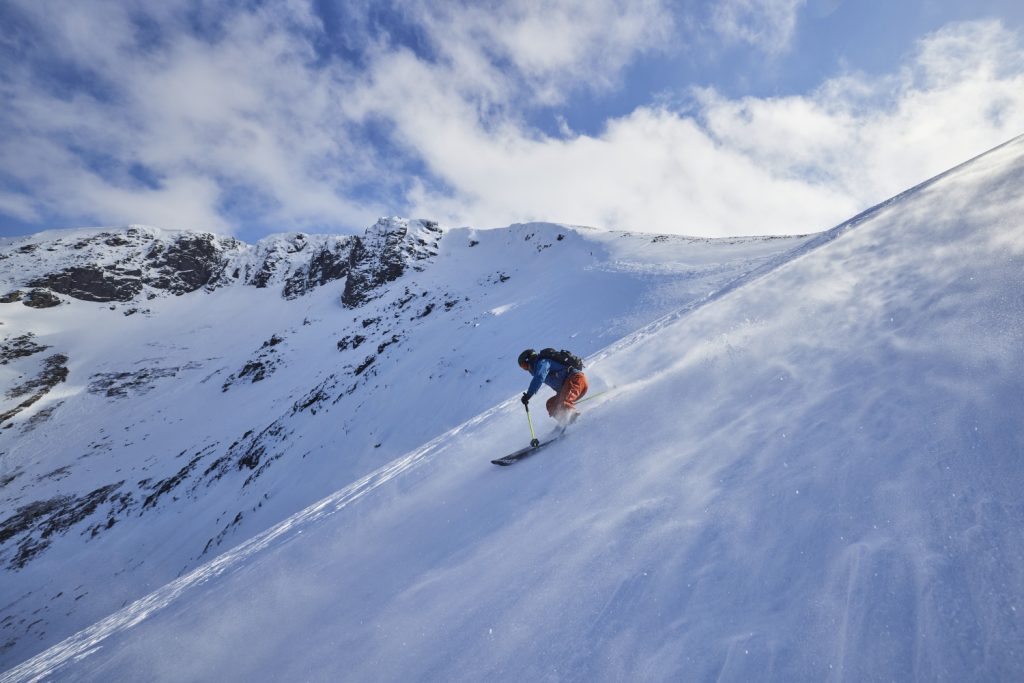
4. Iconic Peaks for Skiing and Adventure
4.1 The Alps: A Hub for Skiing Excellence
The Alps, stretching across France, Switzerland, Italy, and Austria, are some of the most famous mountains for skiing in the world. The region is home to numerous ski resorts that attract millions of visitors each year, from casual skiers to extreme athletes. Famous peaks like Mont Blanc and the Matterhorn are sought after by thrill-seekers who are looking for both a challenging and scenic descent. The Alps provide everything from pristine powder to steep, technical terrain, making them an ideal destination for both recreational skiers and professional athletes.
4.2 The Andes: South America’s Skiing Frontier
While Europe is known for its world-class ski resorts, the Andes mountain range offers a unique skiing experience in South America. With towering peaks and rugged, remote terrain, the Andes present a different set of challenges for skiers. Countries like Chile and Argentina boast high-altitude ski resorts, where skiers can enjoy breathtaking views and difficult slopes. Skiing in the Andes offers the opportunity to experience untouched terrain, with the added bonus of skiing in the Southern Hemisphere’s winter months.
4.3 The Himalayas: Skiing in the World’s Highest Range
The Himalayas, home to some of the world’s highest peaks, including Mount Everest, are a destination for extreme skiers seeking the ultimate challenge. Skiing in the Himalayas is a unique and perilous adventure, requiring skiers to contend with not only high altitudes but also the harsh, unpredictable weather conditions. The slopes in places like Gulmarg in Kashmir are renowned for their incredible powder snow, making the region a hidden gem for adventurous skiers.
4.4 The Rockies: North America’s Skiing Destination
The Rocky Mountains in North America also provide ample opportunities for skiing down snow-covered peaks. Famous ski resorts like Aspen and Vail in Colorado attract tourists from around the world with their diverse terrain and world-class facilities. The Rockies offer everything from gentle slopes for beginners to steep, challenging peaks for advanced skiers looking for a thrill. The area is also known for backcountry skiing, where athletes explore untouched snowfields and rugged terrain far from the ski lifts.
5. The Mental and Physical Demands of Skiing Down a Mountain Peak
Skiing down a mountain peak, especially in extreme conditions, requires both physical endurance and mental fortitude. Skiers must be in peak physical condition to handle the intense demands of the sport, including cardiovascular endurance, strength, and flexibility. Skiing for hours on steep terrain can put a tremendous strain on the body, requiring athletes to have exceptional stamina and muscle control.
Mentally, skiing on high-altitude peaks demands focus, quick decision-making, and the ability to remain calm under pressure. Skiers must always be aware of the terrain, snow conditions, and their surroundings. A lapse in concentration can lead to disastrous results, particularly in dangerous areas prone to avalanches or rockfalls.
6. The Future of Skiing on Snow-Capped Summits
As technology advances, the future of skiing continues to evolve. New ski equipment, such as more efficient skis, bindings, and avalanche safety gear, has made the sport safer and more accessible. Moreover, advances in snow-making technology have made it possible to enjoy skiing in regions that may not have naturally abundant snowfall.
In the realm of extreme skiing, athletes continue to push the boundaries of what is possible, seeking out more remote and difficult terrains. As more destinations for backcountry skiing are discovered, the allure of skiing down snow-capped summits will remain a dream for many thrill-seekers, a pursuit that blends athleticism with the timeless beauty of nature.
7. Conclusion: The Pinnacle of Adventure
Skiing down a snow-capped mountain peak is more than just a sport—it’s a journey, an adventure, and an intimate connection with nature. It requires technical skill, physical strength, mental focus, and, perhaps most importantly, a respect for the power of the mountains. Whether you’re a seasoned pro or an aspiring skier, the thrill of skiing down a mountain peak is an experience unlike any other, one that embodies the spirit of adventure and the human desire to conquer nature’s most majestic challenges.