





Introduction: The Hunt for New Big Wave Breaks
For surfers, the pursuit of giant waves is both a passion and a mission. The world’s most famous surfing spots—such as Pipeline in Hawaii, Teahupo’o in Tahiti, and Jaws in Maui—have become icons in the surfing community, attracting elite riders year after year. However, the search for new, uncharted waves remains an exciting and dynamic part of the sport, driven by the thrill of discovery and the desire to push the limits of what is possible.
In recent years, the Indian Ocean and the Pacific Ocean have revealed previously unknown big-wave spots, offering new challenges for surfers looking for fresh territories to conquer. These discoveries are not only a testament to the ever-evolving nature of the sport but also highlight the incredible geological and meteorological factors that shape these regions into perfect surfing conditions.
This article explores the recent discovery of new big-wave spots in the Indian and Pacific Oceans, detailing how these waves are formed, the challenges they present to surfers, and the growing significance of these surf destinations in the global surfing landscape.
1. The Rise of New Surf Breaks: Why the Indian and Pacific Oceans?
1.1 The Geographical and Meteorological Factors
To understand why big waves are formed in certain parts of the ocean, it’s essential to consider the complex interplay between geography, ocean currents, and weather patterns. Both the Indian Ocean and the Pacific Ocean offer a unique set of conditions that create some of the most formidable and rideable waves in the world.
1.1.1 The Indian Ocean: An Untapped Paradise
The Indian Ocean is often overshadowed by its larger counterparts, the Atlantic and Pacific Oceans, in the global surfing scene. However, the region is home to numerous unexplored and untapped surf breaks that offer the potential for some massive swells. The primary factors contributing to the formation of big waves in the Indian Ocean include:
- Strong Monsoon Winds: The seasonal monsoon winds in the Indian Ocean can generate powerful ocean swells that travel vast distances. These swells reach the coastlines of places like Indonesia, Sri Lanka, and India, often building into substantial waves.
- Submarine Topography: Like the Nazaré Canyon in Portugal, the Indian Ocean has areas where the ocean floor dramatically drops off, creating conditions that concentrate wave energy and result in larger, steeper waves.
- Cyclones and Storms: Tropical cyclones and other weather systems in the Indian Ocean generate massive swells that can reach the shores of Mauritius, Madagascar, and Sumatra. While these swells are unpredictable, they offer huge opportunities for discovering new waves.
1.1.2 The Pacific Ocean: A Giant’s Playground
The Pacific Ocean has long been the heart of big-wave surfing, with famous spots like Hawaii’s North Shore, Fiji, and Tahiti being known for their consistently large swells. The Pacific’s vast size, dynamic weather systems, and deep underwater canyons contribute to the formation of giant waves. Recent discoveries in the Pacific have opened up even more opportunities for surfers seeking new challenges. Key factors influencing wave formation in the Pacific include:
- Subduction Zones: Areas where one tectonic plate slides beneath another, known as subduction zones, can create deep underwater trenches and canyons that amplify wave energy. These geological features are often responsible for the creation of large waves that break with intensity and power.
- Typhoons and Storm Swells: Typhoons and Pacific storms can generate huge swells that travel long distances, making them prime candidates for new big-wave spots. Regions like the Philippines, Japan, and Papua New Guinea see these swells, which sometimes result in perfect waves for surfers willing to brave their remote locations.
2. The Discovery of New Big Wave Spots in the Indian Ocean
2.1 Surf Exploration in the Indian Ocean
Historically, the Indian Ocean has been a place of mystery for surfers. While locations like Indonesia and the Maldives have been surfed for decades, the southern Indian Ocean and parts of the Andaman Sea have remained largely unexplored, especially in terms of big-wave potential. Recent exploration by adventurers, surf filmmakers, and local surfers has revealed some remarkable discoveries.
2.1.1 The Untouched Reef Breaks of Madagascar
Madagascar, a large island off the eastern coast of Africa, is one of the latest regions to be identified as a haven for big-wave surfers. The island’s rugged coastline, combined with the deep ocean floor near shorelines, produces massive waves that have the potential to rival the size of those found in more famous big-wave locations. Some of these breaks are still relatively unknown to the general surfing public, with only a few surf explorers having ridden the giants of Madagascar.
One such spot is a reef break in the southern part of the island, where the deep water of the Mozambique Channel funnels ocean swells towards the coast. These waves can reach heights of 30 to 50 feet (9 to 15 meters), and some have even been reported to exceed 60 feet on larger storm swells. The remoteness of Madagascar means that these waves are often not only unexplored but also difficult to access, requiring surfers to take extended trips to remote villages.
2.1.2 New Breaks off the Coast of Sri Lanka
Sri Lanka, a known hotspot for surf tourism, has recently emerged as a place for big-wave discoveries, particularly in the southern and western regions. The island’s proximity to the Indian Ocean’s monsoon-driven swells makes it an ideal location for massive waves. Areas like Mirissa and Hikkaduwa are already famous for their consistent surf, but hidden spots further down the coast, away from the usual tourist spots, have recently been discovered to produce waves much larger than what was previously thought possible for the island.
One of the most exciting finds has been a reef break near Weligama Bay, where surfers have been spotting occasional 60-foot (18 meters) waves during large swells. These waves, though rare, have the potential to grow into full-blown big-wave spots with further exploration and surf development in the area.
3. The Discovery of New Big Wave Spots in the Pacific Ocean
3.1 Surf Exploration in the Pacific Ocean
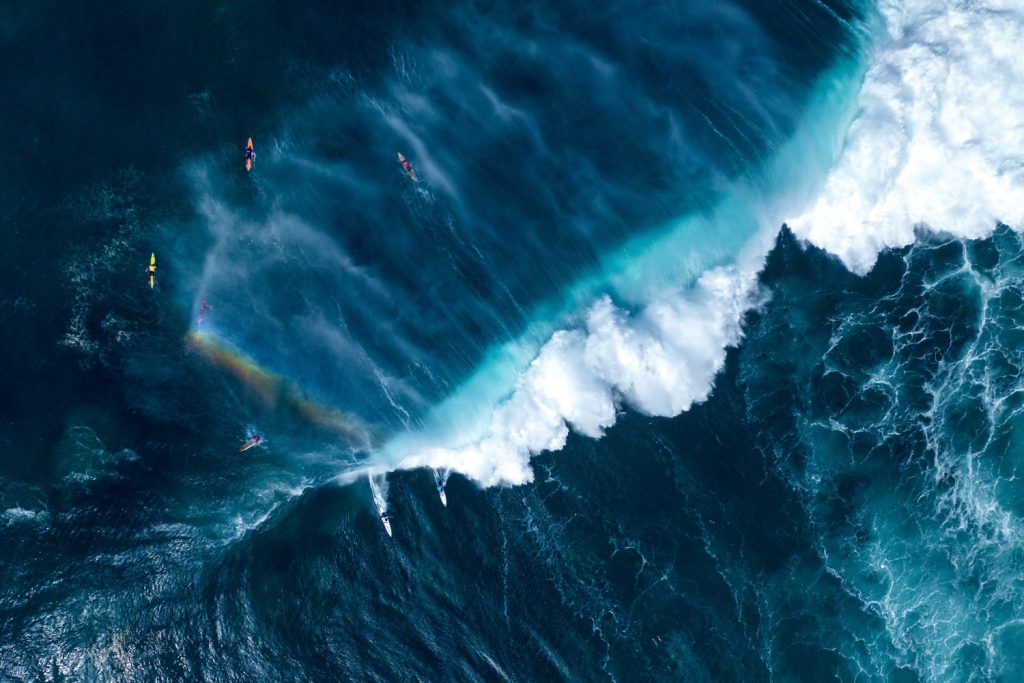
The Pacific Ocean is widely known for its exceptional big-wave breaks, but it also holds many hidden gems waiting to be discovered. In recent years, surfers have been venturing into less-charted areas of the Pacific, looking for the next big wave frontier. The Philippines, Papua New Guinea, and parts of Vanuatu have recently seen surf explorers uncovering waves that rival the giants of Hawaii and Tahiti.
3.1.1 Papua New Guinea: The New Frontier
Papua New Guinea, a country known for its vast and rugged landscapes, has recently emerged as a destination for big-wave surfers. Its extensive coastline, coupled with strong trade winds and regular storm systems, has made it a prime spot for massive swells. The area has witnessed the discovery of deep-water reef breaks that have the potential to produce waves in the range of 40 to 60 feet (12 to 18 meters).
In particular, the area around New Ireland and the Bismarck Sea has garnered attention from surf explorers. With untouched coral reefs and underwater formations that amplify the power of incoming swells, these areas could soon be home to the next big wave surfing destination.
3.1.2 The Philippines: Untapped Big-Wave Potential
The Philippines has long been known for its warm-water surf spots, but it has mostly been regarded as a location for medium-sized waves. However, surf explorers have recently discovered some deeper, more remote breaks in regions such as Siargao, Cebu, and Bohol. These spots, when exposed to typhoon swells, have shown the potential for huge waves, with reports of swells exceeding 50 feet (15 meters) during large weather events.
The Philippines’ combination of tropical storms, strong currents, and geographical diversity makes it an ideal location for big-wave surfing, and its relative inaccessibility has kept these giant waves largely unknown to the global surf community.
4. Challenges and Future of Big-Wave Surf Exploration
4.1 Remote Locations and Access
One of the primary challenges in exploring new big-wave spots in the Indian and Pacific Oceans is their remoteness. Many of these areas are difficult to access, requiring long boat rides, air travel, and sometimes even helicopter lifts. This makes surf exploration both time-consuming and expensive. Additionally, the lack of infrastructure in some areas means that surfers must rely on self-sufficient travel, carrying their own gear and resources.
4.2 Environmental Impact and Conservation
As big-wave surf exploration continues to expand into new regions, there is an increasing need for sustainable tourism practices. Many of the newly discovered big-wave spots are located in pristine, untouched ecosystems, and unregulated tourism could have a damaging effect on local environments. It’s essential for surfers, travel companies, and local authorities to work together to promote eco-friendly practices and ensure that these areas remain preserved for future generations.
Conclusion: The Endless Search for New Big Waves
The discovery of new big-wave spots in the Indian and Pacific Oceans marks an exciting chapter in the world of surfing. These newly found breaks offer unexplored challenges, massive swells, and the potential for record-setting rides. Whether it’s the untapped reefs of Madagascar, the hidden breaks of Sri Lanka, or the emerging giants of Papua New Guinea, the search for new frontiers in surfing is far from over.
As surf explorers continue to chart these remote waters, one thing is certain: the future of big-wave surfing is boundless, and the ocean will always offer new giants to conquer for those brave enough to face them.