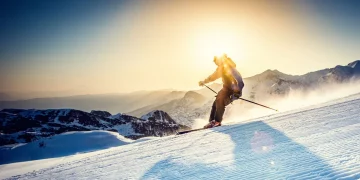










High-altitude skiing is a challenging and exhilarating form of skiing that takes place at altitudes above 3,000 meters (9,843 feet), where the air is thin, and the environmental conditions are harsh. This type of skiing combines the thrill of downhill skiing with the added complexities of higher elevations, including lower oxygen levels, unpredictable weather, and technical terrain. It requires specialized skills, advanced knowledge, and proper acclimatization to ensure safety and performance.
In this article, we will explore high-altitude skiing in detail, focusing on the unique challenges and advantages it presents, the essential equipment, the physiological adaptations required, and the best locations for high-altitude skiing adventures. Whether you are an experienced skier looking to conquer new peaks or a newcomer intrigued by the challenges of skiing at extreme elevations, this guide provides the insights needed to navigate this thrilling sport.
1. Introduction to High-Altitude Skiing
1.1 What is High-Altitude Skiing?
High-altitude skiing involves skiing or snowboarding at altitudes exceeding 3,000 meters (9,843 feet). This can include skiing in the high alpine regions, in the mountains of the Himalayas, the Andes, or even the Alps. In these regions, the terrain is typically more rugged and challenging, and the air is thinner, meaning there is less oxygen available, which can significantly affect physical performance and safety.
High-altitude skiing typically involves:
- Alpine Skiing: Skiing on well-prepared slopes at high elevations.
- Ski Mountaineering: Skiing and climbing in backcountry areas, often requiring ascents as well as descents.
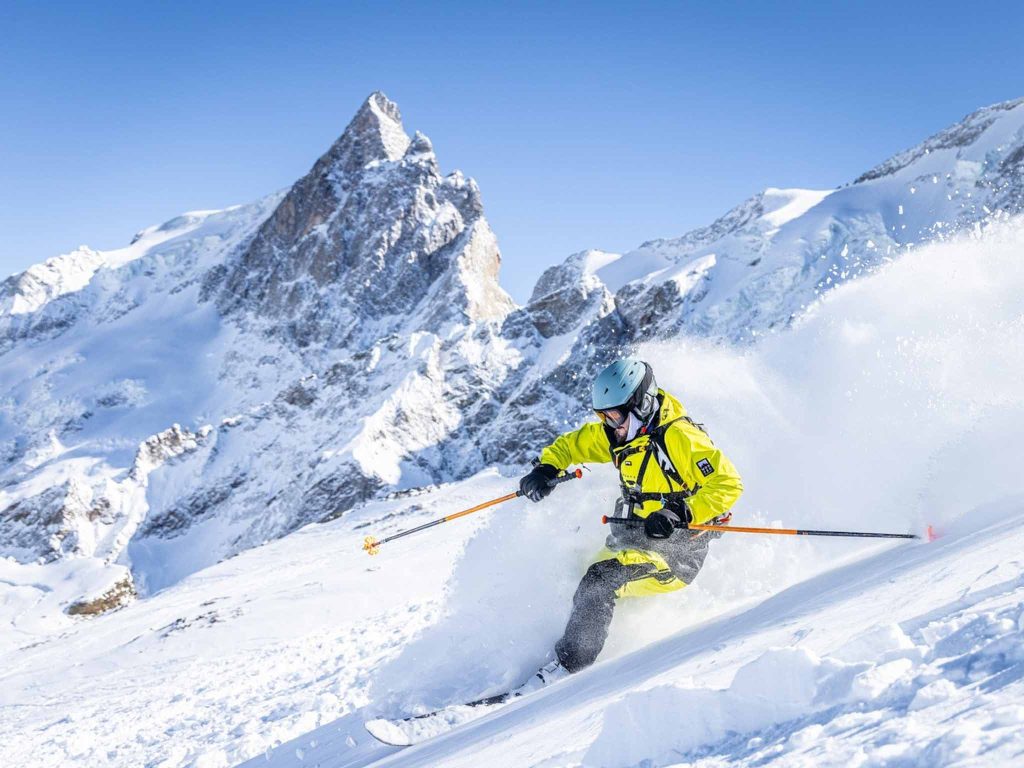
- Off-piste Skiing: Skiing on unmarked, ungroomed, and unprotected snow-covered areas at high altitudes.
At altitudes above 3,500 meters, the air has only 70% of the oxygen available at sea level. This presents unique challenges to both beginners and experienced skiers. Physical stamina, acclimatization, and understanding of high-altitude health risks are critical for a successful experience.
2. The Challenges of High-Altitude Skiing
2.1 Reduced Oxygen Levels and Altitude Sickness
At high altitudes, the air pressure is lower, and the amount of available oxygen decreases. This makes it harder for the body to get the oxygen it needs, especially during physical exertion like skiing. Common symptoms of altitude sickness include:
- Headaches
- Dizziness
- Nausea
- Shortness of breath
- Fatigue
Severe altitude sickness can progress to high-altitude pulmonary edema (HAPE) or high-altitude cerebral edema (HACE), both of which are potentially life-threatening conditions. Skiers are advised to ascend slowly, allowing for acclimatization, and avoid overexerting themselves in the early stages.
2.2 Weather Extremes
High-altitude areas are prone to rapidly changing weather conditions, including sudden snowstorms, high winds, and extreme cold temperatures. The wind chill can make temperatures feel much colder than they are, leading to frostbite if proper gear is not worn. Skiers need to be prepared for harsh conditions and be flexible enough to adapt to changing weather patterns quickly.
2.3 Technical Terrain
At high elevations, skiing often takes place on more challenging terrain. Ski mountaineering may require skiers to ascend glaciers or ski across snow-covered ridges and rocky outcrops. The snow conditions can vary dramatically, and navigating these features requires experience and skill. The terrain at these heights is often steeper, with greater risks of avalanches or falling ice.
3. Physiological Adaptations for High-Altitude Skiing
3.1 How the Body Reacts to High Altitudes
The human body responds to reduced oxygen levels at high altitudes in several ways. These responses help increase the efficiency of oxygen use in the body, though they come with their own set of challenges for skiers. Here are some of the main physiological adaptations:
- Increased Heart Rate and Breathing Rate: To compensate for the lack of oxygen, the heart pumps faster and the breathing rate increases, especially during physical activity.
- Production of More Red Blood Cells: Over time, the body produces more red blood cells to increase the blood’s oxygen-carrying capacity. This process takes days or even weeks and is crucial for acclimatization.
- Decreased Oxygen Saturation: Even after acclimatization, blood oxygen saturation levels will remain lower than at sea level. Skiers will experience a reduced capacity for endurance and will fatigue more quickly.
3.2 Acclimatization Process
Proper acclimatization is key to preventing altitude sickness and maximizing performance while skiing at high altitudes. The process involves ascending slowly to higher elevations, giving the body time to adjust to the lower oxygen levels.
- Gradual Ascent: Climbers should avoid ascending more than 500 meters per day above 3,000 meters and take rest days to allow the body to adjust.
- Hydration and Nutrition: At higher altitudes, dehydration is common, so staying hydrated and consuming energy-dense foods is crucial for maintaining physical and mental performance.
- Sleep at Lower Altitudes: To improve acclimatization, sleep at lower elevations (e.g., at 3,000 meters) before ascending further. This helps prevent severe altitude sickness.
3.3 Adapting to Extreme Cold
High-altitude environments are typically cold, with temperatures well below freezing. Skiers need to be prepared for sub-zero temperatures, which can quickly lead to hypothermia if not addressed. Specialized cold-weather gear, such as high-insulation jackets, thermal layers, and waterproof clothing, is essential to maintain body warmth during descents.
4. Equipment for High-Altitude Skiing
4.1 Ski Gear for High Altitudes
The right equipment is essential for skiing in extreme conditions. High-altitude skiing requires specialized gear that is both lightweight and durable, yet capable of providing warmth and protection.
- Ski Boots: High-altitude ski boots should be insulated, lightweight, and provide a snug fit to keep feet warm and comfortable during long ascents. They should also be compatible with both skis and crampons for mountaineering.
- Skis: Skis for high-altitude skiing must be durable and lightweight, allowing for better control in difficult snow conditions and steep terrain. Skis with a wider waist are typically preferred for off-piste conditions.
- Poles: Strong, adjustable poles are essential for maintaining balance on technical terrain and assisting in uphill climbing.
4.2 Layering System for Clothing
Effective layering is critical to staying warm and dry while skiing in cold environments. A typical layering system for high-altitude skiing includes:
- Base Layer: Moisture-wicking fabrics that keep sweat away from the skin.
- Mid Layer: Insulating clothing such as fleece or down jackets to retain body heat.
- Outer Layer: Waterproof and windproof jackets and pants that protect against the elements.
- Accessories: Gaiters, gloves, balaclavas, and hats to protect exposed skin from frostbite.
4.3 Avalanche Safety Gear
Safety in avalanche-prone areas is a serious concern for high-altitude skiers. Skiers should always carry avalanche safety equipment, which includes:
- Avalanche Transceiver: To transmit and receive signals in case of an avalanche.
- Avalanche Probe: To help locate buried skiers in avalanche situations.
- Shovel: A lightweight shovel that can be used to dig out snow and debris.
5. Ski Mountaineering vs. Alpine Skiing
While high-altitude skiing can refer to both alpine skiing and ski mountaineering, the two disciplines differ significantly in their approach and requirements.
5.1 Alpine Skiing at High Altitudes
Alpine skiing involves skiing on groomed slopes in high-altitude resorts. Skiers typically use lifts to ascend and ski down. The challenges here primarily stem from the altitude and weather conditions rather than technical terrain.
- Pros: Alpine skiing is less physically demanding than ski mountaineering, and ski resorts often provide the necessary infrastructure, such as ski lifts and avalanche control.
- Cons: Skiing in the backcountry without proper knowledge and preparation can be dangerous, especially at high altitudes where terrain is more unpredictable.
5.2 Ski Mountaineering
Ski mountaineering combines skiing with climbing. This involves both ascending (often on skis) and descending mountain slopes, glaciers, and other off-piste terrain.
- Pros: Ski mountaineering offers a more adventurous experience, taking skiers into remote, untouched areas.
- Cons: It is physically demanding, requires more technical skills, and involves navigating more dangerous conditions, including avalanches and crevasse risks.
6. Popular High-Altitude Skiing Destinations
6.1 The Andes – Argentina and Chile
South America’s Andes mountain range is known for its high-altitude skiing opportunities. Resorts like Cerro Catedral and Valle Nevado offer thrilling descents and breathtaking views of the surrounding peaks. Skiers can enjoy both groomed slopes and backcountry terrain at altitudes well above 3,000 meters.
6.2 The Alps – France, Switzerland, and Italy
The European Alps are renowned for their ski resorts, such as Chamonix, Zermatt, and Cervinia, which offer some of the highest altitudes for skiing in Europe. The Alps provide a variety of terrain, from gentle slopes to more technical ski mountaineering routes.
6.3 The Himalayas – Nepal and India
For those seeking adventure in extreme conditions, the Himalayas offer high-altitude skiing at some of the world’s most remote and difficult locations. Manali, in India, and Gulmarg, in Kashmir, are known for their backcountry terrain and vast alpine landscapes.
7. Conclusion
High-altitude skiing offers one of the most thrilling experiences for avid skiers and mountaineers alike. The physical and mental challenges presented by skiing at elevations above 3,000 meters require advanced skills, proper acclimatization, and specialized equipment. However, for those willing to face the unique challenges of extreme conditions, high-altitude skiing offers unparalleled rewards, including breathtaking views, untouched terrain, and the thrill of skiing in some of the most remote regions of the world.
Whether you’re seeking the controlled conditions of an alpine resort or the rugged beauty of backcountry terrain, high-altitude skiing provides a diverse and exciting range of opportunities for skiers seeking adventure beyond the ordinary. Through preparation, training, and respect for the environment, you can conquer the heights and experience the ultimate rush of skiing in extreme altitudes.