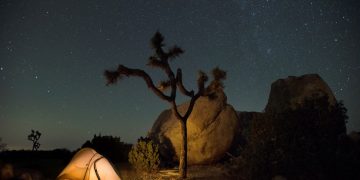










Desert canopy camping, also known as night-sky desert camping or stargazing bivouac, is a unique way to experience the serenity, vastness, and dramatic beauty of desert landscapes. Unlike traditional camping in forests or mountains, desert camping combines minimalistic living with the extraordinary opportunity to observe an unobstructed night sky filled with stars, planets, and the Milky Way. From sand dunes to rocky plateaus, deserts provide some of the clearest, most spectacular stargazing environments on Earth.
This comprehensive guide explores desert camping techniques, essential gear, safety considerations, environmental practices, and the physical and mental benefits of immersive desert experiences. It is designed for both seasoned adventurers and first-time desert campers seeking a safe, enjoyable, and unforgettable journey under the desert sky.
1. Understanding Desert Camping
1.1 Definition and Scope
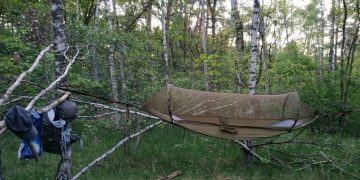
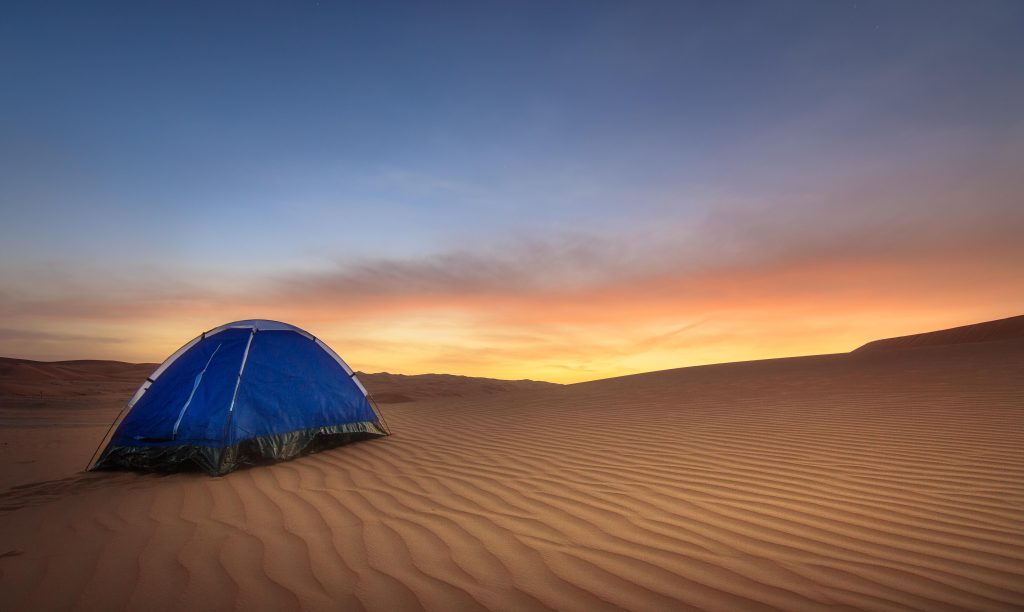
Desert canopy camping involves overnight stays in arid, often remote landscapes where human habitation is sparse. This form of camping emphasizes minimal interference with the natural environment, often using lightweight tents, hammocks, or simply sleeping under a starry sky with a canopy or tarp for protection.
1.2 Appeal of Desert Night Camping
The attraction lies in several unique experiences:
- Unparalleled Night Sky Visibility: Low humidity, minimal light pollution, and wide horizons allow extraordinary stargazing.
- Solitude and Tranquility: Deserts offer peaceful isolation for reflection and mindfulness.
- Landscape Exploration: Sand dunes, rock formations, and dry riverbeds provide dramatic terrain and photographic opportunities.
2. Choosing a Desert Location
2.1 Popular Desert Regions for Camping
- Sahara Desert (Africa): Vast dunes, star-filled skies, and nomadic culture.
- Arabian Desert (Middle East): Rolling sand dunes and cultural experiences with Bedouin guides.
- Gobi Desert (Mongolia/China): Rocky plateaus and extreme temperature variations.
- Sonoran and Mojave Deserts (North America): Accessible deserts with scenic canyons and unique flora.
2.2 Terrain Considerations
- Sand Dunes: Soft sand offers aesthetic appeal but can complicate tent anchoring.
- Rocky Plateaus: More stable surfaces, less risk of sinking tents, better for stargazing setups.
- Dry Riverbeds (Wadis): Can be scenic but may pose flash flood risks.
2.3 Seasonal and Weather Considerations
- Temperature Extremes: Desert nights can drop below freezing in winter; days can exceed 45°C (113°F) in summer.
- Wind and Sandstorms: Choose campsites shielded by dunes or rock formations to minimize wind exposure.
- Rainfall: Rare but potentially dangerous in flash flood-prone areas.
3. Physical and Mental Preparation
Desert camping requires preparation for extreme environments and mental resilience.
3.1 Physical Preparation
- Hydration Training: Practice drinking sufficient water to adjust to low-humidity conditions.
- Endurance Training: Long hikes in hot sun or over sand dunes simulate desert trekking conditions.
- Strength Training: Carrying supplies over uneven terrain requires upper and lower body strength.
3.2 Mental Preparation
- Solitude Management: Nights in total darkness can challenge perception and patience.
- Mindfulness and Observation: Desert camping is ideal for meditation, photography, and star charting.
- Emergency Readiness: Preparing for unexpected weather or medical issues boosts confidence and safety.
4. Essential Gear for Desert Canopy Camping
Successful desert camping depends on carefully selected equipment designed for heat, cold, and sand.
4.1 Shelter and Sleeping Arrangements
- Tents: Lightweight, well-ventilated, with sand stakes for anchoring
- Canopies or Tarps: Provide shade and dust protection while enabling open stargazing
- Sleeping Bags: Rated for desert night temperatures (can vary drastically)
- Sleeping Pads: Insulate from cold sand and improve comfort
4.2 Clothing and Personal Gear
- Layered Clothing: Moisture-wicking base layers, insulating mid-layers, and windproof outer layers
- Sun Protection: Wide-brimmed hats, sunglasses, and SPF clothing
- Footwear: Lightweight hiking boots or sandals suitable for hot sand and rocky terrain
- Accessories: Gloves for cold nights, buffs or scarves to protect from sandstorms
4.3 Navigation and Safety Equipment
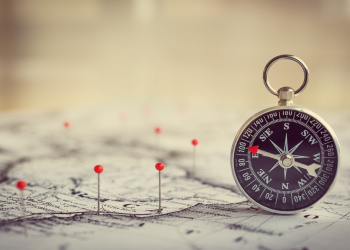
- GPS or Map & Compass: Essential for remote desert navigation
- Emergency Communication: Satellite phone or personal locator beacon
- Headlamps and Lanterns: Solar-powered or battery-efficient lighting for nighttime use
- First-Aid Kit: Include snake bite kits, sunburn treatments, and dehydration remedies
4.4 Food and Hydration
- Water Supply: Minimum 4–5 liters per person per day, plus additional for emergencies
- Electrolyte Supplements: Prevent dehydration and heat-related illnesses
- Non-Perishable Food: Lightweight, high-calorie meals and snacks for sustained energy
5. Desert Camping Techniques
5.1 Selecting a Campsite
- Avoid low areas prone to flash floods
- Use natural formations for wind protection
- Ensure minimal environmental impact and maintain distance from fragile flora
5.2 Tent and Canopy Setup
- Anchor Tents: Use sand stakes or bury edges in sand
- Positioning: Open side facing away from prevailing winds
- Ventilation: Minimize condensation in cold nights and maintain airflow during hot days
5.3 Fire and Cooking in the Desert
- Portable stoves are preferred due to fire risk and wind
- Fire pits may be used only in permitted areas with caution
- Always extinguish fires completely to prevent wildfires
5.4 Night Sky Observation
- Stargazing Equipment: Telescopes, binoculars, star charts, and astrophotography cameras
- Optimal Timing: New moon periods for minimal light interference
- Observation Techniques: Use red light to preserve night vision; track constellations and planetary positions
6. Safety and Survival Considerations
6.1 Heat and Cold Management
- Daytime: Hydrate, wear sun-protective clothing, and rest during peak heat hours
- Nighttime: Insulate with sleeping pads and warm clothing
6.2 Wildlife Awareness
- Be aware of desert snakes, scorpions, and insects
- Use proper footwear and avoid disturbing burrows
6.3 Navigation Hazards
- Avoid wandering alone after dark
- Mark landmarks or use GPS tracking to prevent disorientation
6.4 Emergency Protocols
- Know the nearest evacuation routes
- Maintain communication with guides or team members
- Carry extra food, water, and a portable shelter in case of unexpected delays
7. Environmental and Ethical Practices
7.1 Leave No Trace
- Pack out all trash, food waste, and human waste when feasible
- Avoid disturbing natural desert formations or ecosystems
- Use eco-friendly gear and biodegradable products
7.2 Respecting Desert Ecosystems
- Minimal impact camping preserves delicate desert flora and fauna
- Observe wildlife without interaction or feeding
- Avoid driving or hiking over fragile vegetation
8. Psychological and Transformative Benefits
8.1 Solitude and Mindfulness
- Deserts provide uninterrupted silence conducive to meditation and reflection
- Disconnecting from urban life enhances mental clarity and reduces stress
8.2 Creativity and Observation
- Photographers, astronomers, and artists benefit from unpolluted light and expansive vistas
- Star mapping and sand pattern observation enhance cognitive skills and attention to detail
8.3 Personal Growth and Challenge
- Physical demands and isolation foster resilience and self-confidence
- Overcoming environmental challenges strengthens problem-solving abilities and adaptability
9. Suggested Desert Camping Itinerary (3-Day Example)
Day 1 – Arrival and Initial Trek
- Set up camp near sand dunes or rocky plateau
- Evening: Stargazing session and campfire discussion
- Night: Monitor temperature and adjust sleeping arrangements
Day 2 – Desert Exploration and Day Hike
- Morning: Sunrise observation and photography
- Day: Hike across dunes or desert trails; practice navigation skills
- Evening: Observe planets and Milky Way; record star charts
Day 3 – Final Exploration and Departure
- Early morning hike for sunrise over dunes
- Pack and minimize campsite impact
- Optional: Short night stargazing session before departure
10. Advanced Desert Camping Experiences
- Astronomical Photography Expeditions: Capture the Milky Way, meteor showers, or lunar eclipses
- Solo Desert Retreats: Combine mindfulness and survival skills for self-discovery
- Multi-Day Desert Trekking: Cross multiple dune systems or desert valleys for immersive experiences
- Cultural Integration: Camp near nomadic communities to learn traditional survival techniques and desert lore
11. Conclusion
Desert canopy camping is a unique form of adventure that combines extreme environments, minimalistic living, and breathtaking night skies. It requires careful planning, proper gear, physical and mental preparation, and strict adherence to safety and environmental practices.
By embracing the desert’s solitude, navigating its challenges, and observing its celestial wonders, campers gain not only an unforgettable adventure but also a profound connection to nature and the cosmos. Whether for stargazing, photography, mindfulness, or personal growth, desert camping offers a transformative experience that lingers long after the journey ends.
The desert is both a harsh and beautiful environment; respecting its rhythms, preparing thoroughly, and immersing oneself in its vast expanse allows adventurers to experience the ultimate combination of challenge, serenity, and cosmic wonder.