









Introduction
Modern life offers comfort, convenience, and almost uninterrupted access to food—but these conditions can change abruptly. Natural disasters, supply chain breakdowns, economic instability, global pandemics, and unexpected emergencies all highlight the importance of self-reliance. Two critical pillars of preparedness are:
- Long-Term Food Storage: Ensuring access to safe, nutritious, and shelf-stable food during extended disruptions.
- Wilderness Survival Skills: Developing the practical ability to procure water, build shelter, navigate terrain, and stay alive in nature.
These two components form the backbone of comprehensive survival planning. This in-depth, professionally structured article explores the science, strategy, and techniques behind long-term food storage and wilderness survival, offering both foundational knowledge and advanced insights suitable for serious practitioners, homesteaders, hikers, preppers, and outdoor professionals.
Part I — Long-Term Food Storage
Long-term food storage is a systematic approach to creating a resilient pantry that can support an individual or family for weeks, months, or even years. It is a blend of nutrition science, preservation techniques, logistics, and risk management.
1. Core Principles of Long-Term Food Storage
Before purchasing or storing a single item, you must understand the key principles that make a storage system reliable and sustainable.
1.1 Shelf Life
Shelf life varies dramatically between:
- Freeze-dried foods (25–30 years)
- Dehydrated foods (5–15 years)
- Grains and legumes (10–30 years with proper storage)
- Canned goods (3–8 years depending on type)
Understanding shelf life helps with rotation and reduces waste.
1.2 Nutritional Balance
A long-term stockpile must go beyond calories. It should include:
- Proteins: beans, lentils, canned meats, powdered eggs
- Carbohydrates: rice, pasta, oats, wheat
- Fats: oils, nuts, seeds (often the limiting factor due to oxidation)
- Vitamins & minerals: freeze-dried produce, supplements
1.3 Environmental Control
Food longevity depends on:
- Temperature: Optimal is 10–15°C (50–59°F)
- Humidity: Low humidity prevents mold and pests
- Light: Darkness reduces nutrient degradation
- Oxygen levels: Vacuum-sealing or oxygen absorbers prevent spoilage
1.4 Rotation (FIFO)
Use the “First In, First Out” system to avoid expired food.
Regularly consume what you store—and store what you already eat.
2. Categories of Long-Term Survival Foods
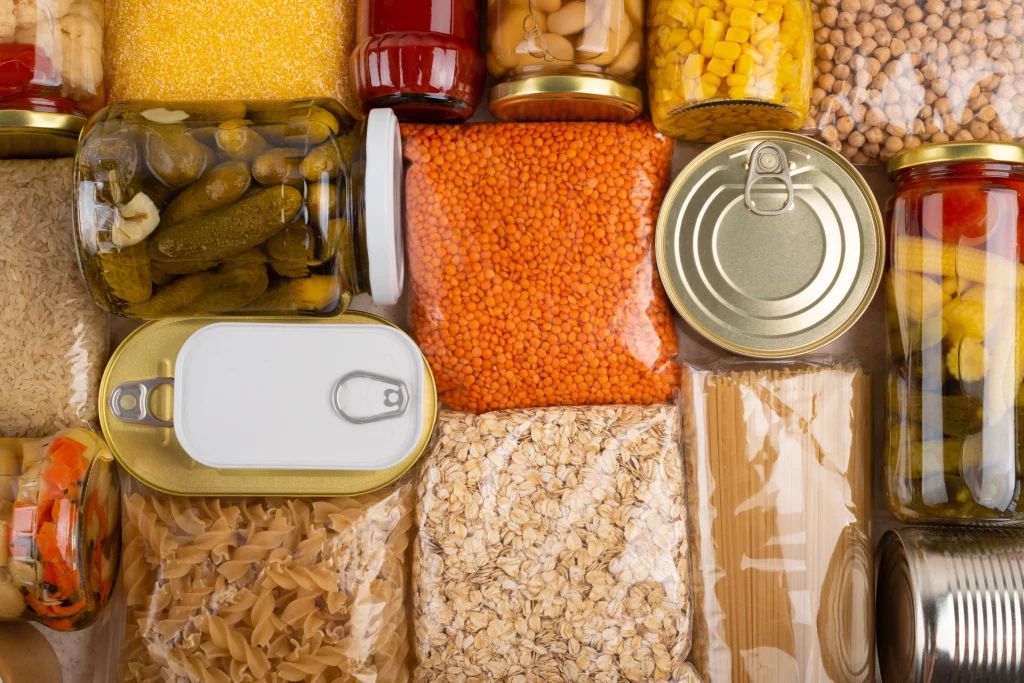
2.1 Grains and Staples
These form the caloric backbone of most storage programs.
Examples:
- Rice (white stores longer than brown)
- Wheat berries
- Oats
- Pasta
- Cornmeal
Why They Matter:
Grains are calorie-dense and extremely stable when stored in mylar bags with oxygen absorbers.
2.2 Legumes and Protein Sources
Protein supports muscle health, immune function, and energy.
Examples:
- Lentils
- Split peas
- Chickpeas
- Dry beans
- Canned fish or meat
- Powdered milk
Tip: Lentils and split peas cook quickly, making them ideal for low-fuel situations.
2.3 Freeze-Dried and Dehydrated Foods
These are the gold standard for long-term storage.
Advantages:
- Light weight
- Decades-long shelf life
- Retain nutrients and flavor
Examples:
- Vegetables
- Fruits
- Complete meals
- Meats
2.4 Canned Goods
Canned foods are affordable and immediately edible.
Best Types to Store:
- Canned vegetables
- Canned fruits
- Tuna, chicken, salmon
- Canned soups and stews
- Evaporated milk
2.5 Fats and Oils
Fat is essential for cognition, vitamin absorption, and survival.
Options:
- Olive oil
- Coconut oil (longer shelf life)
- Ghee (clarified butter)
- Peanut butter
Note: Oils oxidize—store smaller containers and rotate frequently.
2.6 Baking Essentials
For morale, versatility, and caloric needs.
Include:
- Flour
- Yeast
- Baking powder
- Salt
- Sugar
- Honey (indefinite shelf life)
3. Food Preservation Methods
3.1 Dry Storage (Mylar + Oxygen Absorbers)
The most effective method for dry staples.
Steps:
- Place food in mylar bag
- Add oxygen absorber
- Heat-seal bag
- Store in a sealed bucket
3.2 Canning
Water-bath canning and pressure canning allow for safe long-term preservation.
- Water-bath: fruit, jams, pickles
- Pressure canning: meat, vegetables, soups
3.3 Dehydration
Dehydrators or sun-drying techniques reduce moisture content.
Good for:
- Fruits
- Vegetables
- Jerky
- Herbs
3.4 Freeze Drying
The most advanced but expensive method—removes 98–99% of moisture.
Provides:
- Longest shelf life
- Minimal nutrient loss
4. Food Storage for Different Scenarios
4.1 Urban Emergencies
Focus on:
- Space-efficient foods
- Ready-to-eat items
- Canned meals
- Water purification supplies
4.2 Rural Homesteads
Ideal for:
- Bulk grains
- Large canning projects
- Root cellars
- Freeze-dried items
4.3 Natural Disasters
Prioritize:
- Portable foods
- High-calorie items
- Waterproof packaging
- Easy-to-cook staples
5. Creating a 1-Month, 3-Month, and 1-Year Food Plan
5.1 The One-Month Plan (Basic Preparedness)
Calories per person: 60,000–75,000 total
Focus: canned goods, grain staples, water reserves.
5.2 The Three-Month Plan (Intermediate Preparedness)
A combination of:
- Grains
- Beans
- Oil
- Freeze-dried produce
5.3 The One-Year Plan (Long-Term Self-Reliance)
- Deep pantry
- Variety to prevent “menu fatigue”
- Multivitamins
- Large-scale preservation
Part II — Wilderness Survival Skills
Food storage can sustain you at home—but wilderness skills can save your life in the field.
Wilderness survival combines technical skills, environmental knowledge, and psychological resilience.
1. The Survival Pyramid
Order of needs:
- Mindset
- Shelter
- Water
- Fire
- Food
- Signaling
Understanding this priority prevents wasting time and energy.
2. Survival Mindset & Psychological Resilience
2.1 The “STOP” Principle
- Stop
- Think
- Observe
- Plan
This halts panic and restores clear decision-making.
2.2 Managing Fear and Fatigue
- Controlled breathing
- Positive self-talk
- Task segmentation
- Rest cycles
3. Shelter-Building Techniques
3.1 Debris Shelter
Materials: leaves, branches, logs
Advantages: insulation, fast construction
3.2 Lean-To Shelter
A classic design using:
- A main support pole
- Angled branches
- Debris covering
3.3 Tarp Shelter Configurations
With a tarp and paracord, you can build:
- A-frame
- Modified lean-to
- Diamond fly shelter
3.4 Cold-Weather Shelters
- Snow caves
- Quinzees
- Insulated trench shelters
4. Water Procurement & Purification
4.1 Finding Water
Look for:
- Valleys
- Animal tracks
- Green vegetation
- Rock depressions
- Riverbeds
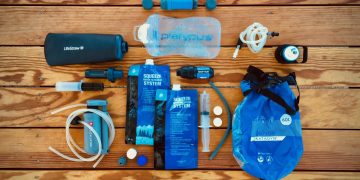
4.2 Purification Methods
- Boiling
- Filtration (sand/charcoal or commercial)
- Chemical purification (iodine, chlorine dioxide)
- UV light pens
Never drink untreated water—risk of parasites or illness is severe.
5. Fire-Making Skills
Fire enables:
- Warmth
- Cooking
- Disinfection
- Signaling
- Morale
5.1 Fire-Starters
- Ferro rod
- Flint and steel
- Waterproof matches
- Bic lighters
5.2 Natural Tinder Sources
- Pine resin
- Birch bark
- Dry grass
- Fatwood
5.3 Fire Lays
- Teepee
- Log cabin
- Lean-to
6. Navigation Skills
6.1 Without Tools
- Sun direction
- Star navigation
- Natural indicators (wind, vegetation)
6.2 With Tools
- Compass
- Topographic maps
- GPS (battery-dependent)
6.3 Route Planning
- Avoid steep terrain
- Follow ridgelines or water sources
- Mark progress to prevent circular walking
7. Food Procurement in the Wild
Though lower priority, wilderness food is useful in long-term scenarios.
7.1 Foraging
Know:
- Edible plants
- Poisonous look-alikes
- Seasonal availability
7.2 Fishing
- Line fishing
- Spear fishing
- Fish traps (where legal)
7.3 Hunting
Small game is more practical than large game.
Traps and snares conserve energy.
7.4 Insects
High in protein. Safe options include:
- Crickets
- Grasshoppers
- Ants
Avoid insects with:
- Bright colors
- Strong odors
- Hairy bodies
8. Survival Tools and Equipment
8.1 Cutting Tools
- Fixed-blade knife
- Multi-tool
- Folding saw
8.2 Utility Gear
- Paracord
- Tarp
- Metal pot
- Water filter
- Firestarter
- Compass
Quality tools increase safety and reduce energy expenditure.
9. Health and Hygiene in the Wilderness
9.1 Preventing Injury
- Proper footwear
- Awareness of weather
- Avoiding hazardous terrain
9.2 Hygiene Practices
- Hand washing
- Waste management
- Dental hygiene
9.3 First Aid Essentials
- Bandages
- Antiseptic
- Pain relievers
- Tweezers
Part III — Integrating Food Storage with Wilderness Readiness
True resilience comes from bridging home preparedness with outdoor capability.
1. The “Dual-Preparedness Approach”
- Long-term storage addresses extended emergencies at home
- Wilderness skills ensure survival if evacuation is required
2. The 72-Hour Evacuation Plan
Your wilderness-ready kit should include:
- Lightweight food
- Water purification
- Portable shelter
- Navigation tools
- Fire sources
Freeze-dried meals excel here due to their weight-to-calorie ratio.
3. Mobility vs Sustainability
When on the move:
- Choose calorie-dense, lightweight foods
- Avoid bulky or heavy canned items
- Carry compact tools
Conclusion
Long-term food storage and wilderness survival skills are not separate disciplines—they are complementary foundations of self-reliance. Food storage protects you at home during long-term disruptions, while wilderness survival skills empower you in situations requiring mobility or evacuation. Together, they create a comprehensive preparedness strategy that enhances safety, confidence, and resilience in a world of increasing unpredictability.