









Introduction
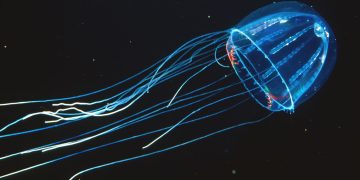
The deep sea, with its vastness and mystery, is home to some of the most bizarre and enchanting creatures on Earth. Among the most captivating features of these organisms is their ability to produce light—bioluminescence. This ability is not only a survival strategy for many species but also a fascinating phenomenon that occurs at a collective scale in certain areas of the ocean.
One of the most spectacular manifestations of bioluminescence in the deep sea is the phenomenon of a collective “lighting up” event. In this phenomenon, entire communities of bioluminescent organisms light up simultaneously, creating an awe-inspiring display of radiant light. Whether as a defensive mechanism to confuse predators, a mating signal, or a strategy for hunting, the collective illumination of deep-sea organisms serves as a crucial survival tool.
In this article, we will explore the scientific principles of bioluminescence, the ecological roles it plays, and the fascinating “lighting up” behavior of deep-sea organisms. We will also delve into the mechanisms behind this phenomenon, how researchers study it, and the practical applications of this glowing behavior in modern science and technology.
What is Bioluminescence?
Bioluminescence is the production and emission of light by living organisms. Unlike fluorescence, where substances absorb light and re-emit it at a longer wavelength, bioluminescence is a chemical reaction that results in the emission of light. This light is typically produced by specialized proteins, enzymes, and light-emitting molecules, most notably a molecule called luciferin, which reacts with oxygen in the presence of the enzyme luciferase to produce light.
Bioluminescence occurs in many different organisms, ranging from bacteria and fungi to fish and squid. The phenomenon is especially common in the deep ocean, where sunlight cannot reach, and organisms have evolved to use this natural light in various ways, from camouflage to communication and hunting.
The Chemistry Behind Bioluminescence
The basic chemical reaction involved in bioluminescence is as follows:
- Luciferin (a light-emitting molecule) reacts with luciferase (an enzyme) and oxygen, creating light and producing an excited state in the luciferin molecule.
- When the excited state returns to its ground state, the energy is released in the form of light. This light is typically blue or green, as these wavelengths travel the furthest underwater and are most useful for visibility in the dark depths of the ocean.
The amount and color of light emitted depend on the type of luciferin and luciferase involved, as well as the organism’s environment and evolutionary adaptations.
Collective “Lighting Up” Phenomenon
While bioluminescence is often observed as individual flashes or signals from deep-sea organisms, one of the most captivating occurrences is when entire communities of bioluminescent organisms light up in unison. This synchronized flashing of light creates a spectacular, glowing display in the darkness of the deep sea.
Ecological Significance of Collective Lighting
The collective lighting up phenomenon is not random; it serves important ecological purposes. These synchronous light displays are often employed for one or more of the following functions:
1. Predator Evasion (Startle Defense)
In the vast, dark depths of the ocean, visibility is limited, and predators rely on movement and sound to detect their prey. The collective “lighting up” phenomenon can serve as a form of predator deterrence. When a group of organisms suddenly illuminates together, it can startle or confuse predators, making it more difficult for them to single out an individual target.
For example, certain species of squid and small shrimp that live in the deep ocean use this collective bioluminescence to confuse predators, creating a mass of glowing, shifting lights. The sudden burst of light can disorient predators and allow the prey to escape.
2. Mating Displays
Many deep-sea species use bioluminescence as part of their mating rituals. Synchronized lighting events, or flashes, can serve to attract mates. For species that live in the darkness of the deep ocean, bioluminescent signals are often the only way to communicate over long distances.
Species of fireflies, which also produce bioluminescence, use synchronized light signals to attract mates, and similar behavior is observed in some marine organisms. These coordinated light displays help individuals identify potential mates in the vast, dark ocean.
3. Hunting and Luring Prey
Some deep-sea predators use bioluminescence to attract prey. The collective lighting phenomenon is particularly important for species like the anglerfish, which uses a bioluminescent lure to attract smaller organisms. These predators often reside in the deep sea where prey is sparse, and using light to attract or lure prey is a vital survival strategy.
For certain species, the sudden or coordinated flashing of light by a group can also create a sensory overload in smaller prey, making them more susceptible to capture.
Bioluminescent Organisms in the Deep Sea
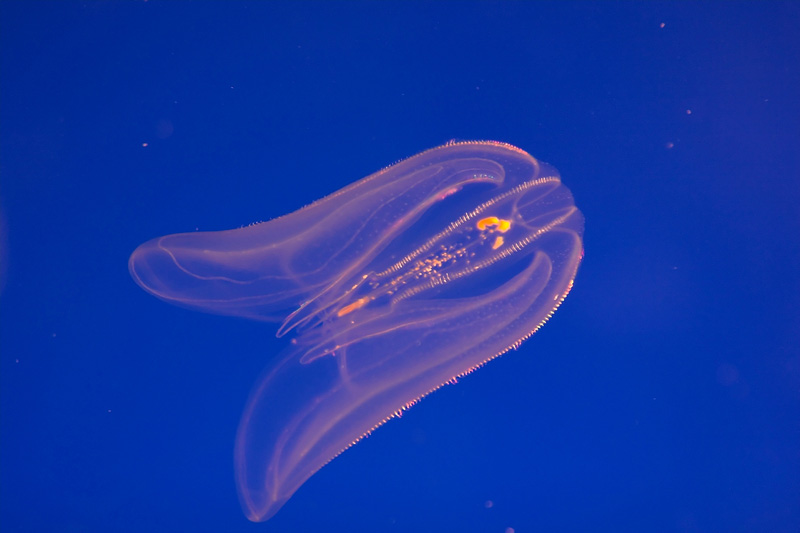
The deep sea is home to some of the most extraordinary bioluminescent organisms. These organisms exhibit a range of adaptations that allow them to survive in an environment where sunlight is absent, and where energy resources are scarce.
Deep-Sea Fish
Many deep-sea fish species possess bioluminescent organs called photophores, which are specialized light-emitting structures. These photophores are often located around the fish’s head, body, or tail and can be used for a variety of purposes, including camouflage, communication, and attracting prey.
- Anglerfish: One of the most famous bioluminescent fish, the anglerfish, uses a glowing lure located on its head to attract prey. The lure is a bioluminescent organ, often referred to as an “esca,” which emits light to draw smaller fish or invertebrates closer to the anglerfish’s mouth.
- Lanternfish: These small fish, which are abundant in the deep ocean, are named for the bioluminescent organs located along their bodies. Lanternfish use their lights to help them blend in with the faint light from above, a tactic called “counterillumination” that helps them avoid predators.
Cephalopods
Squids, octopuses, and cuttlefish are all cephalopods that exhibit bioluminescence, often for the purposes of communication or camouflage.
- Squids: The deep-sea squid species Photophores are well known for their ability to produce light. The Humboldt squid, for example, has large photophores along its body that are used in coordinated light displays to communicate with others of its kind, especially during mating or hunting activities.
- Cuttlefish: Cuttlefish also use bioluminescence to communicate and camouflage themselves in the ocean. Their ability to change both their skin color and produce light makes them formidable hunters and communicators in the dark depths of the sea.
Bioluminescent Bacteria
Bioluminescent bacteria play a significant role in the ecosystem, especially in symbiotic relationships with marine animals. Many fish and invertebrates host bioluminescent bacteria in specialized organs, and these bacteria produce light in exchange for nutrients provided by their hosts. This mutualistic relationship allows animals to use bioluminescence without having to produce it themselves.
Other Organisms
Other organisms, including jellyfish, crustaceans, and even some species of coral, also exhibit bioluminescence. The flashing of light by jellyfish, for instance, is often used to startle predators or to attract mates.
Mechanisms Behind Collective Lighting
The process of collective lighting up is largely dependent on the interaction of many individual organisms producing light at the same time. Several factors contribute to this synchronization:
1. Environmental Factors
The presence of a uniform environmental factor, such as an increase in water temperature, the presence of certain chemicals in the water, or the onset of a storm, may trigger a collective bioluminescent response. Some researchers have speculated that light signals may become synchronized when large groups of organisms experience the same environmental cue, such as a change in water pressure or light levels.
2. Chemical Signaling and Neural Coordination
Recent research has suggested that bioluminescence in some species may be coordinated through chemical or neural signaling, allowing a large group of organisms to produce light in harmony. Some species of fireflies have been shown to synchronize their flashing patterns through chemical signals, and a similar process could occur in deep-sea organisms.
3. Evolutionary Adaptation
From an evolutionary standpoint, the ability to light up collectively could provide significant advantages for survival. Synchronized flashes could overwhelm a predator’s sensory systems, confuse prey, or even alert mates to each other’s presence.
Research and Technologies Inspired by Bioluminescence
The study of bioluminescence has practical applications in many fields, from medical research to environmental monitoring.
1. Bioluminescence in Medical Research
One of the most exciting applications of bioluminescence research is in the field of medical diagnostics. Scientists have developed bioluminescent markers that can be used to trace biological processes within living organisms. These markers allow researchers to visualize cellular activities, track disease progression, or even monitor the effectiveness of certain treatments.
2. Environmental Monitoring
Bioluminescent organisms have also been used in environmental science to monitor water quality and ecosystem health. By detecting the presence of bioluminescent organisms in water, scientists can gauge the health of aquatic environments, such as the presence of pollutants or other environmental stressors.
Conclusion
The phenomenon of collective “lighting up” in bioluminescent deep-sea organisms is one of the most remarkable and beautiful aspects of life in the ocean. These organisms have evolved a variety of strategies for producing and using light, from confusing predators to attracting mates and luring prey. The science behind these glowing creatures continues to fascinate researchers, and as we learn more about the mechanisms of bioluminescence, we gain a greater understanding of the complex interactions that occur beneath the surface of our oceans.
The study of bioluminescence not only deepens our knowledge of the natural world but also opens doors to a range of scientific innovations with potential applications in medicine, environmental science, and technology. The collective lighting of deep-sea organisms is a testament to the wonders of nature’s ability to adapt, survive, and illuminate the darkness.