










Introduction
The desert, with its vast expanses of sand, barren landscapes, and harsh climates, is a place that can seem inhospitable to life. Yet, amidst the endless stretch of dunes, there exists a phenomenon that is both perplexing and beautiful: the singing sand dunes. Known for their eerie, melodic sounds, these dunes have captivated the imagination of people for centuries. The idea that sand can produce music when the wind blows has intrigued scientists, adventurers, and poets alike.
This phenomenon, while not widely understood, is known to occur in various deserts around the world. Whether it’s the vast Sahara, the Great Sand Dunes in Colorado, or the deserts of China, there are numerous places where the “singing sands” can be heard. But what exactly causes these dunes to “sing”? What is the scientific explanation behind this mystical sound that has been described as anything from a low hum to a deep, resonating rumble?
In this article, we will explore the phenomenon of singing sand dunes, delve into the science behind them, and examine the cultural and historical significance of this mysterious desert occurrence. From ancient folklore to modern acoustic research, the singing sands are as much a subject of fascination today as they have been for millennia.
What Are Singing Sand Dunes?
Singing sand dunes, also known as “booming dunes” or “musical dunes,” are large sand dunes that emit sound under certain conditions. These sounds can vary greatly in pitch and tone, ranging from low-frequency rumbles to higher-pitched hums. In some cases, the sounds can be loud enough to be heard from a great distance. The phenomenon typically occurs when sand grains shift in the presence of wind, but other factors, such as humidity and the angle of the wind, also play a role in the creation of these sounds.
The sound produced by singing sand dunes has long been a subject of fascination and mystique. Ancient civilizations and desert dwellers have long attributed supernatural qualities to the phenomenon. In some cultures, the booming sounds were seen as omens, while others believed the sounds came from the voices of spirits or gods. Today, scientists study the phenomenon to understand the physical processes that cause the sound, but the mystery and beauty of the singing dunes remain an enduring part of desert lore.
Distribution of Singing Sand Dunes
Singing sand dunes are not confined to any one desert or region. They have been reported in deserts and sandy regions across the globe, from the Middle East to North America, and from Africa to Asia. Some of the most famous locations known for their singing dunes include:
- The Great Sand Dunes, USA: Located in Colorado, this national park is home to some of the tallest sand dunes in North America, where the “booming” sound can be heard when the wind blows across the sand.
- The Namib Desert, Namibia: The dunes in the Namib Desert, known as the oldest desert on Earth, are known for their ability to produce a variety of sounds when disturbed.
- The Gobi Desert, Mongolia: The dunes of the Gobi Desert are another example of locations where the sounds of sand are said to be heard.
- The Sahara Desert, North Africa: In certain parts of the Sahara, sand dunes also produce low, resonating sounds when disturbed by wind.
While not all deserts have singing dunes, those that do are often known for their unique acoustics, making them natural wonders that continue to intrigue visitors and scientists alike.
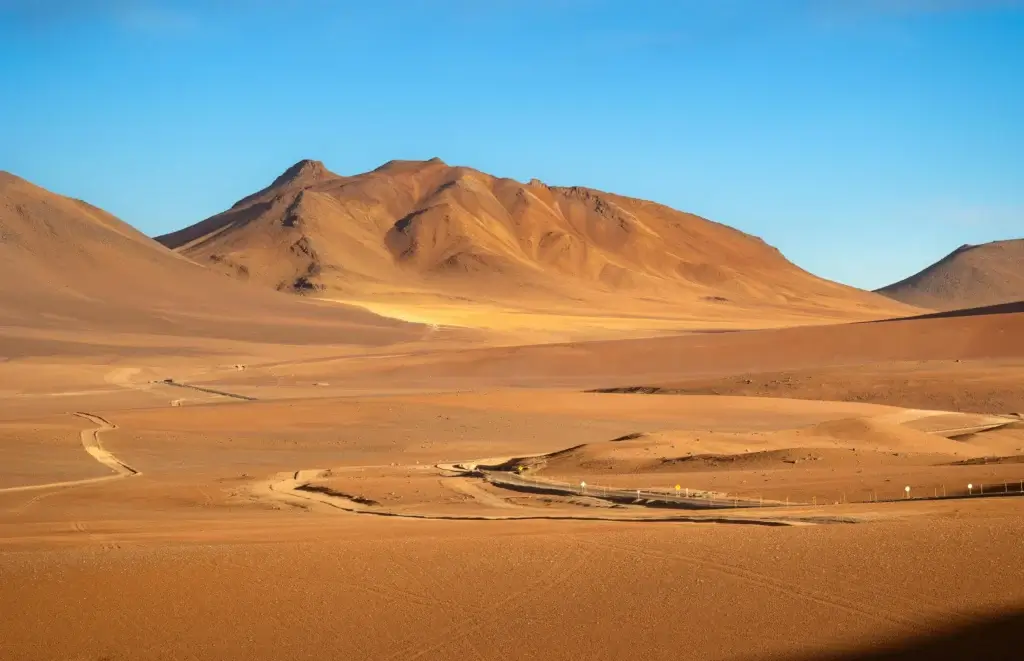
How Do Singing Sand Dunes Produce Sound?
The phenomenon of singing sand dunes is a complex interaction between the wind, the sand, and the physical properties of the sand grains. The sounds produced by the dunes are caused by the movement of sand grains sliding down the slope of the dune. This process generates friction and causes vibrations that produce sound waves. To understand how the sound is produced, it is essential to break down the mechanics of the process.
The Role of Sand Grain Size and Shape
The specific characteristics of the sand grains are a key factor in the formation of the sounds. For sand dunes to produce audible sounds, the grains must meet certain conditions:
- Uniformity: The sand grains in dunes that produce singing sounds are often surprisingly uniform in size. Research has shown that grains that are roughly 0.5 to 2 millimeters in diameter are most likely to produce sound when they move.
- Shape: The shape of the sand grains is another important factor. Grains that are rounded and smooth allow for better movement and friction, which is essential for generating sound. If the grains are angular or irregular, the friction between them is different, and the sound may not be produced in the same way.
- Composition: The mineral composition of the sand can also play a role. Sands that are composed of materials like quartz or silica are more likely to produce sound due to their smooth texture and the ease with which they slide over each other.
Wind and Sand Interaction
The wind is the catalyst that sets the singing sands in motion. When the wind blows across the sand dunes, it causes the grains to shift. This movement is essential for producing the characteristic sounds associated with singing dunes. The sand slides down the surface of the dune in a process known as avalanching. As the grains move, they create friction, which leads to vibrations. These vibrations then propagate through the sand and produce sound waves that travel through the air.
The frequency and pitch of the sound produced depend on a variety of factors:
- Wind Speed: The speed and consistency of the wind can greatly affect the sounds produced. Strong, steady winds are more likely to produce a continuous hum or rumble, while lighter, intermittent winds may result in sporadic or higher-pitched sounds.
- Slope of the Dune: The steepness of the dune also influences how the sand moves. Steeper dunes tend to produce lower-pitched sounds, while more gently sloping dunes can create higher-pitched tones.
- Humidity: While not a primary factor, the level of moisture in the air can affect how sound waves travel. Dry sand is more likely to produce audible sounds, while wet sand tends to dampen the vibrations.
The Science Behind the Sound
Scientists have studied the acoustics of singing sand dunes using advanced equipment to measure sound frequencies and vibrations. Some studies suggest that the sound produced by singing sand dunes is a result of a resonant frequency. This means that the dunes vibrate at a frequency that is similar to the natural frequency of the sand grains, amplifying the sound.
In other words, the sand grains themselves act as a resonating body, similar to how a musical instrument, like a drum or a guitar, vibrates to produce sound. The movement of the sand grains causes them to resonate at specific frequencies, which then create the characteristic “song” of the sand.
Cultural and Historical Significance
Singing sand dunes have long been part of desert folklore, with many cultures attributing mystical or supernatural qualities to the phenomenon. From ancient legends to modern-day stories, the sounds of the dunes have fascinated humanity for centuries.
Ancient and Modern Folklore
In various cultures, the sounds of the singing dunes were often seen as the voices of spirits or gods. Nomadic tribes in the Middle East and North Africa believed that the sounds could communicate messages or serve as warnings. The booming noise was often thought to be an omen, signaling the arrival of a storm, the coming of rain, or even the presence of a dangerous predator.
In some cultures, the singing dunes were considered sacred. The sounds were said to be a form of divine communication, allowing the spirits of the desert to speak to the living. As a result, these dunes were often avoided by those who feared their mystical powers.
The Role of Singing Sands in Desert Exploration
In more modern times, explorers and adventurers have encountered the singing sand dunes with a mixture of awe and trepidation. Early desert explorers often relied on local knowledge of the dunes and their sounds. In some cases, the sounds were thought to be dangerous, with people warning against staying too long near the singing sands, fearing that the sounds could lead them astray or even cause hallucinations.
However, with the advent of modern technology and scientific inquiry, the singing sand dunes are now seen primarily as a natural phenomenon to be studied and understood. Today, the sounds are more likely to inspire wonder and curiosity than fear.
Scientific Research and Ongoing Studies
Despite centuries of fascination with the singing dunes, it is only in the past few decades that scientists have begun to seriously investigate the phenomenon. Research has focused on the acoustics of the dunes, the physical properties of the sand, and the factors that lead to the production of sound. Modern studies have provided valuable insights into the mechanisms behind the phenomenon, helping to dispel some of the myths surrounding the dunes while also deepening our understanding of the natural world.
Future Directions
Ongoing research into the acoustics of sand dunes is still in its early stages. Some scientists believe that studying the behavior of singing sand dunes could provide valuable insights into other natural phenomena, such as the movement of granular materials and the properties of desert ecosystems. Additionally, understanding the physics of the sand’s vibrations could lead to new developments in materials science, with potential applications in engineering and acoustics.
Conclusion
The singing sand dunes are a testament to the beauty and mystery of the natural world. Though scientists have made great strides in understanding the physics behind the sounds, the desert remains a place where wonder and awe are ever-present. Whether as a subject of scientific inquiry or a source of cultural significance, the singing sands continue to captivate the imagination of those who encounter them.
As we continue to explore the deserts of the world, the singing dunes will remain one of nature’s most intriguing and enchanting phenomena. The interplay between the wind, the sand, and the environment creates a unique and unforgettable experience, one that will surely inspire future generations to listen closely to the whispers of the desert.