









Introduction: The Call of Minimalism in Survival
In recent years, a profound shift has emerged in the world of outdoor adventure and survival: the rise of minimalist survival. As explorers, hikers, and survival enthusiasts seek deeper immersion in the wilderness, the focus has shifted from carrying copious amounts of equipment to mastering essential skills and traveling lightly. Minimalist survival represents more than a practical approach to outdoor excursions; it is a philosophy that prioritizes self-reliance, environmental awareness, and psychological resilience.
The minimalist survival trend is not merely a reaction to the popularity of ultralight backpacking; it is a convergence of ancient bushcraft knowledge, modern technological innovation, and a renewed respect for the raw unpredictability of nature. In this comprehensive exploration, we examine the origins, principles, equipment, skills, psychological aspects, environmental implications, and the broader cultural resonance of minimalist survival.
1. Historical Roots and the Philosophy of Minimalism
The minimalist survival ethos is deeply rooted in humanity’s long-standing relationship with the wilderness. Traditional bushcraft, indigenous knowledge systems, and historical survival practices all embody the core principles of self-reliance and resourcefulness.
- Bushcraft Traditions: Native peoples across continents demonstrated a mastery of local flora, fauna, and natural shelters. Skills such as fire-making without modern tools, water purification through natural materials, and creating shelters from limited resources exemplify minimalist survival at its purest.
- Early Explorers and Trappers: Historical explorers and frontiersmen often carried only what was essential for survival, relying on ingenuity and a profound understanding of terrain and climate.
- Philosophical Underpinnings: Minimalist survival is not merely about reducing physical load; it embodies a mental and spiritual approach to wilderness living. The focus is on adaptability, attentiveness, and the ability to thrive without excess.
The philosophy encourages a deep connection with the environment, emphasizing learning from nature rather than imposing human technology upon it. This paradigm has inspired modern adventurers to streamline their gear and cultivate essential skills, embodying a blend of practical efficiency and ecological mindfulness.
2. The Rise of Minimalist Survival in Modern Adventure Culture
The contemporary resurgence of minimalist survival has been catalyzed by several social and technological factors:
2.1 The Ultralight Backpacking Movement
The ultralight backpacking movement focuses on reducing pack weight to enhance mobility, comfort, and endurance. Modern ultralight enthusiasts aim for packs weighing under 10–15 kg (22–33 lbs) for multi-day expeditions, carrying only essential items:
- Lightweight tents or tarps
- Compact sleeping systems
- Multi-use tools
- Minimalist food and water systems
The ultralight philosophy has dovetailed seamlessly with minimalist survival, emphasizing skill over gear, and preparation over accumulation.
2.2 Media Influence and Adventure Narratives
Platforms such as YouTube, Instagram, and TikTok have showcased the achievements of individuals who survive with minimal gear in extreme environments. These stories highlight:
- Solo survival in remote locations
- Extended ultralight treks across mountains and forests
- Bushcraft improvisation using natural materials
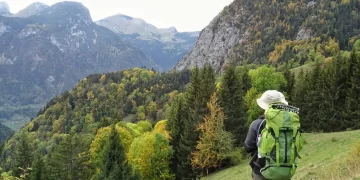
The visual appeal of these minimalist expeditions—spartan gear juxtaposed against stunning landscapes—has captivated a global audience, inspiring both amateur and professional adventurers.
2.3 Environmental and Ethical Considerations
Minimalist survival aligns closely with the Leave No Trace (LNT) ethic, promoting sustainable outdoor practices:
- Reduced consumption of single-use gear
- Minimizing waste and environmental footprint
- Encouraging engagement with the natural environment rather than dominating it
In this sense, minimalist survival is as much a philosophy of ecological responsibility as it is a practical skillset.
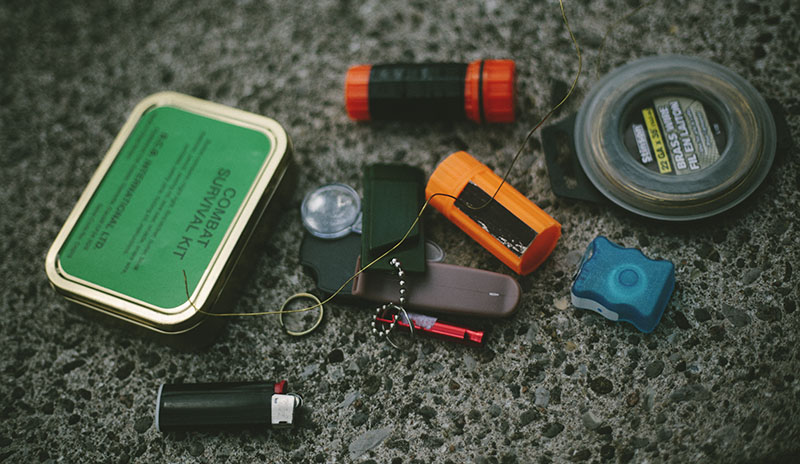
3. Core Principles of Minimalist Survival
Minimalist survival is guided by several key principles, each reflecting a balance between practicality, skill, and mental discipline:
3.1 Mastery of Essential Skills
Minimalist adventurers prioritize skills that allow them to reduce dependence on external gear:
- Fire Crafting: The ability to start fires using flint, ferrocerium rods, or friction methods is indispensable.
- Shelter Construction: Using natural materials or ultralight tarps, survivalists can adapt to varying weather conditions.
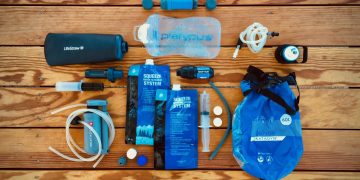
- Water Procurement and Purification: Knowledge of streams, rainfall collection, solar stills, and portable filtration systems ensures hydration without heavy equipment.
- Foraging and Navigation: Understanding edible plants, fungi, and terrain navigation reduces reliance on pre-packaged food and GPS devices.
Mastery of these skills often outweighs the need for sophisticated gear, reflecting a philosophy of resourcefulness over redundancy.
3.2 Minimalist Gear Selection
Every item carried must serve multiple purposes, reducing weight and enhancing mobility:
- Multi-use knives and tools
- Compact clothing systems adaptable to multiple climates
- Ultralight cooking and water filtration systems
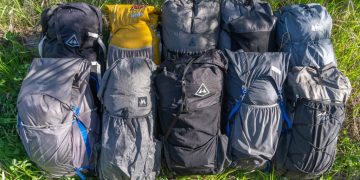
- Minimalist backpacks designed for ergonomic efficiency
This approach fosters decision-making discipline: each item must justify its presence in the pack.
3.3 Psychological Resilience
Minimalist survival is as much a mental challenge as a physical one:
- Stress Management: Operating in remote locations with minimal supplies requires composure.
- Problem-Solving Under Pressure: Resource scarcity and environmental unpredictability foster innovative thinking.
- Self-Reliance and Confidence: Success depends on one’s skillset rather than the comfort of abundant equipment.
The mental dimension reinforces a holistic approach to survival, integrating skill, awareness, and mindfulness.
4. Minimalist Survival Gear: Essentials and Innovations
Modern minimalist survival has benefited from technological innovation without losing its core philosophy. Key areas of gear development include:
4.1 Shelter and Sleeping Systems
- Ultralight tents (sub 1.5 kg)
- Hammocks with integrated mosquito nets
- Compact bivy sacks
- Lightweight sleeping bags with high thermal efficiency
4.2 Food and Water Solutions
- Freeze-dried and dehydrated foods
- Collapsible cooking systems
- Portable water filters and UV sterilization devices
4.3 Navigation and Communication
- Compact GPS devices (as backup to map and compass skills)
- Emergency signaling tools (PLBs, mirrors, whistles)
- Solar-powered chargers for essential electronics
4.4 Tools and Multi-Functional Equipment
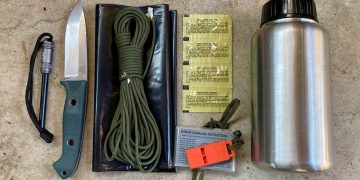
- Multi-tools and knives with survival-specific functions
- Ultralight cordage and paracord
- Fire-starting kits combining reliability with minimal bulk
The common theme is weight reduction without compromising safety, highlighting the balance between minimalism and preparedness.
5. Skill Development and Training for Minimalist Survival
Minimalist survival requires continuous skill refinement. Recommended training approaches include:
- Bushcraft Workshops: Hands-on courses teaching firecraft, shelter building, and foraging
- Wilderness First Aid Certification: Preparation for medical emergencies with minimal gear
- Navigation Practice: Traditional map and compass skills, celestial navigation
- Solo Survival Challenges: Short-term minimalist excursions to develop confidence and resilience
Many enthusiasts advocate for a tiered approach, gradually reducing reliance on gear while building competency in essential skills.
6. Minimalist Survival in Extreme Environments
The philosophy of minimalist survival is especially tested in extreme environments, such as:
- Deserts: Water scarcity and temperature extremes demand precise planning and knowledge of natural water sources
- Arctic and High Altitude: Hypothermia risk necessitates highly efficient clothing and insulation strategies
- Rainforests: Navigating dense vegetation requires skill in lightweight shelter construction and insect protection
- Mountainous Terrain: Ultralight climbing and bivouac techniques reduce fatigue and enhance mobility
These environments magnify the importance of skill, preparation, and mental fortitude, illustrating the full potential of the minimalist approach.
7. Psychological and Philosophical Dimensions
Minimalist survival is intertwined with a broader philosophical perspective:
7.1 Mindfulness and Presence
Being stripped of superfluous gear heightens awareness of the environment and one’s own capabilities. The simplicity fosters mindful observation of nature and deep connection with the wilderness.
7.2 Embracing Risk and Uncertainty
By carrying only essentials, the minimalist adventurer accepts a calculated vulnerability, which can sharpen decision-making and resilience.
7.3 Ethical Engagement with Nature
Minimalist survival encourages respect for natural systems, emphasizing sustainability, minimal impact, and conscious interaction with ecosystems.
This approach transforms outdoor activity from mere recreation to a holistic life practice, blending skill, ethics, and personal growth.
8. Community and Knowledge Sharing
The minimalist survival movement thrives on community, storytelling, and shared knowledge:
- Online Forums and Social Media: Communities such as Reddit, YouTube survival channels, and Instagram accounts provide tips, gear reviews, and adventure logs
- Workshops and Meetups: Small-scale gatherings allow skill exchange and mentorship
- Documentaries and Literature: Books and films narrate minimalist survival journeys, inspiring new generations of adventurers
The movement reflects a collective pursuit of simplicity, efficiency, and mastery.
9. Challenges and Controversies
Minimalist survival is not without debate:
- Safety Concerns: Reducing gear increases vulnerability; overconfidence can be dangerous
- Balance Between Minimalism and Preparedness: Determining the threshold of essential gear requires experience and discernment
- Accessibility: Not all individuals can safely practice extreme minimalism; training and incremental exposure are critical
Despite these challenges, the philosophy remains compelling for its empowerment of skill, creativity, and environmental respect.
10. The Future of Minimalist Survival
Minimalist survival is poised to expand and evolve:
- Integration with Technology: Lightweight, multi-functional gear may continue to enhance safety without compromising minimalism
- Global Spread: Interest is rising beyond traditional survivalist communities, including urban explorers and environmental advocates
- Educational Programs: Schools, outdoor education centers, and adventure companies are incorporating minimalist survival curricula
The trend suggests a synergistic evolution of philosophy, skill, and technology, reshaping how humans interact with the natural world.
Conclusion: Beyond Gear, Toward Mastery
Minimalist survival is more than a practical strategy; it is a holistic philosophy that encourages self-reliance, resilience, and profound environmental awareness. By reducing dependence on equipment and emphasizing skill, mindfulness, and adaptability, practitioners not only traverse wilderness spaces more efficiently but also cultivate personal growth and ecological consciousness.
In an era of overconsumption and technological saturation, the rise of minimalist survival serves as a reminder of the elegance of simplicity, the power of human ingenuity, and the enduring call of the wild.
Whether it is a solo trek through dense forests, an ultralight mountain expedition, or mastering bushcraft techniques, minimalist survival invites adventurers to strip away excess, embrace challenge, and experience the wilderness in its rawest, most essential form.