









Whitewater rafting, once a niche activity enjoyed by a small group of extreme sports enthusiasts, has rapidly risen to become one of the world’s most popular adventure sports. With its adrenaline-pumping rapids, stunning river landscapes, and the sense of camaraderie shared by fellow adventurers, whitewater rafting offers a unique escape from everyday life. This article delves into the reasons behind the surge in popularity of whitewater rafting, exploring its appeal, the evolution of the sport, and the environmental, safety, and social factors that contribute to its increasing demand.
From the churning rapids of the Colorado River to the wild waters of the Zambezi in Africa, whitewater rafting has found a global audience. Whether it’s tackling class V rapids or navigating a gentle stretch of river on a beginner course, rafting offers something for every level of adventurer. But what exactly has fueled the rapid rise in popularity of this extreme sport, and what does the future hold for those paddling down the world’s most thrilling rivers?
1. Introduction: The Adventurous Allure of Whitewater Rafting
Whitewater rafting combines the beauty of nature with the rush of adventure, attracting an ever-growing community of enthusiasts worldwide. The thrill of rafting lies in the challenges presented by swift-moving river currents, unpredictable obstacles, and the requirement for teamwork to safely navigate the course. But the allure of rafting is not only rooted in the excitement it provides—there are also numerous cultural, environmental, and health benefits associated with the sport.
Rafting is unique in that it allows people to experience nature from a completely different perspective. River corridors are often some of the most pristine and remote environments, providing access to wild landscapes and rare wildlife. In this sense, whitewater rafting allows adventurers to connect with nature in a meaningful way while pursuing an exciting and challenging activity.
2. The Evolution of Whitewater Rafting: From Niche to Mainstream
Whitewater rafting began as a recreational activity in the mid-20th century, with roots in the military and exploration communities. In the 1950s, the sport took shape in the United States, where explorers and river enthusiasts began navigating some of the most difficult rapids on the Colorado River and other river systems in the U.S. Early rafting expeditions were often dangerous, requiring significant technical skill, strength, and knowledge of the waterway. However, as the sport grew, so too did the safety standards and equipment, making it accessible to a broader audience.
In the 1980s and 1990s, rafting saw a surge in popularity as adventure tourism took off globally. Companies specializing in whitewater rafting trips began to flourish, offering guided tours on rivers in North America, Europe, and beyond. This was the turning point for rafting, as the sport went from being an activity enjoyed primarily by hardcore adventurers to a mainstream pastime for families, tourists, and corporate groups.
3. The Thrill of the Rapids: Why Whitewater Rafting Is So Popular
3.1 The Adrenaline Rush
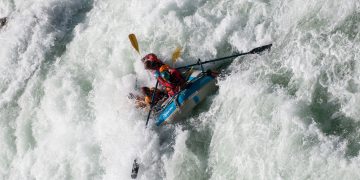
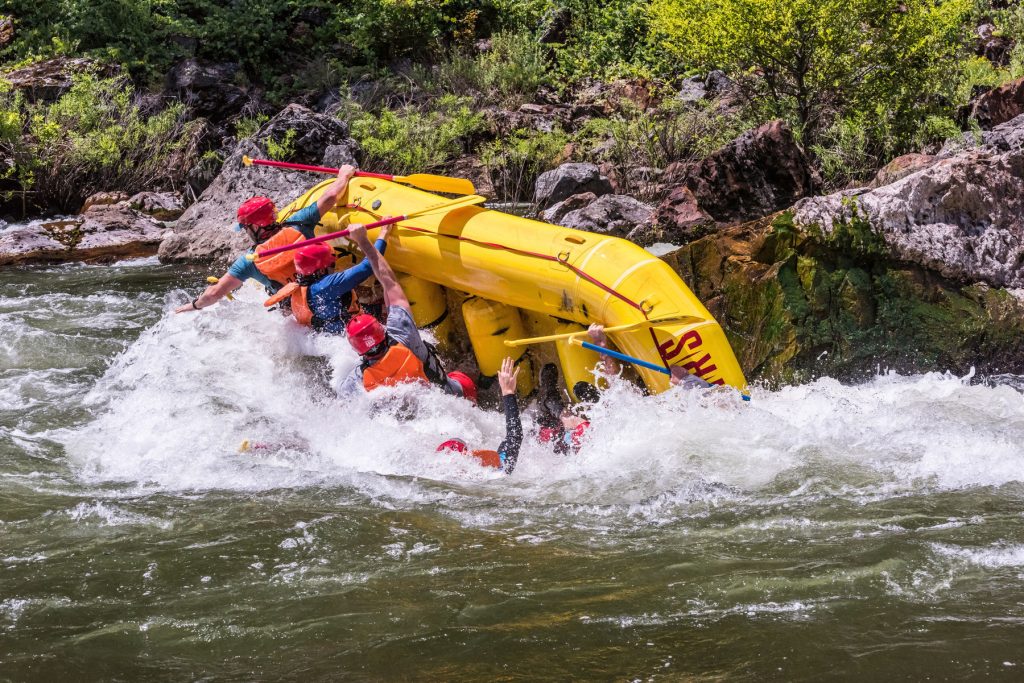
One of the primary reasons for the growing popularity of whitewater rafting is the sheer thrill it provides. For many, there is no greater rush than navigating powerful rapids with friends and strangers alike. The sensation of being tossed around by the surging water, the thrill of steering through obstacles, and the challenge of keeping the raft upright create a combination of excitement and danger that is irresistible to adventure seekers.
Rafting trips often include a wide range of rapid classifications, from Class I (easy) to Class V (extremely difficult). These varying levels allow people to start small and progress to more challenging rapids as they build confidence and skills. For seasoned rafters, tackling Class V rapids offers a near-impossible challenge, testing one’s ability to maintain control in the face of extreme conditions.
3.2 Connection with Nature
In addition to the excitement of navigating the water, rafting offers a rare opportunity to explore some of the world’s most beautiful and remote landscapes. Rivers often wind through lush forests, towering canyons, or rugged mountains, allowing rafters to experience nature at its wildest. For those seeking more than just an adrenaline rush, rafting provides a chance to immerse oneself in nature, witness wildlife, and even camp along the riverbanks.
Many rafting locations are in areas that are difficult to access by traditional means, which means rafters are often able to experience places few people have ever seen. Whether paddling through the rainforests of Costa Rica, the gorges of New Zealand, or the savannahs of Africa, whitewater rafting combines adventure with unparalleled scenic beauty.
3.3 The Social Aspect
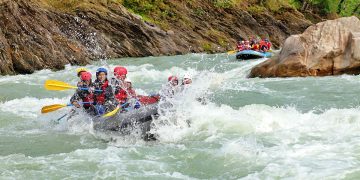
Unlike many other extreme sports, whitewater rafting requires teamwork and cooperation. Each member of the rafting crew has a critical role to play in safely navigating the river. This team dynamic creates a unique social experience, where participants rely on one another to achieve a common goal.
The camaraderie formed during a rafting trip can forge lasting friendships, as paddlers work together to navigate challenging waters. Many rafting expeditions are also social events, with shared meals, laughter, and moments of celebration after conquering difficult rapids. The communal experience is often one of the main draws for groups, families, and corporate teams looking for a bonding activity.
4. Environmental Impact and Sustainable Rafting Practices
As the popularity of whitewater rafting continues to rise, so too does the need for responsible environmental stewardship. Rafting takes place in some of the most ecologically sensitive areas on the planet, from pristine river systems to endangered ecosystems. Consequently, protecting these natural spaces is vital to the long-term sustainability of the sport.
4.1 Impact on Rivers and Ecosystems
Whitewater rafting is not without its environmental concerns. Invasive species, waste management, and pollution can all be issues that impact the health of river ecosystems. For example, large numbers of rafts and tourists can put pressure on local wildlife, disturb natural habitats, and introduce pollutants into the river system. These concerns are particularly significant in protected or remote areas where biodiversity is high.
In response to these challenges, many rafting companies have adopted sustainable tourism practices aimed at minimizing their environmental impact. This includes implementing waste management systems, using eco-friendly materials, and promoting responsible tourism. Some companies even collaborate with local environmental organizations to engage in conservation efforts, such as river clean-ups and wildlife protection.
4.2 Promoting Conservation through Rafting
Interestingly, the rise of rafting tourism has led to increased interest in conservation. Many local communities see rafting as a valuable economic opportunity and are motivated to protect the rivers and landscapes that attract tourists. Additionally, some rafting companies partner with environmental NGOs to fund conservation initiatives, such as reforestation programs, wildlife monitoring, and river health research.
Rafting itself can also serve as a powerful tool for raising awareness about environmental issues. By exposing people to the beauty and fragility of nature, rafting encourages a deeper connection to the environment and a commitment to preserving it for future generations.
5. Safety and Training in Whitewater Rafting
As with any adventure sport, safety is a key concern for rafters. Although whitewater rafting can be exhilarating and fun, it can also be dangerous if not approached with the proper precautions. Thankfully, advancements in equipment, training, and safety protocols have made rafting much safer over the years.
5.1 Safety Equipment and Technology
Modern rafting equipment has evolved to ensure the safety of participants. Paddles, life jackets, helmets, and other safety gear are essential for minimizing the risk of injury. In addition, raft designs have improved to provide better stability and maneuverability in turbulent water.
The use of GPS tracking, communication devices, and weather monitoring technology has also improved safety, especially in remote regions where rescue services may be difficult to access. Today, many rafting companies provide pre-trip safety briefings and training to ensure that participants are well-prepared for the challenges they may encounter on the water.
5.2 Rafting Training and Certification
Before embarking on a whitewater rafting adventure, many individuals and groups undergo safety and skill training. Professional rafting guides typically undergo rigorous certification programs, ensuring they possess the necessary knowledge and experience to handle emergency situations. For rafters, it is advisable to choose a company that is certified by a recognized safety organization, such as the International Rafting Federation (IRF), which sets global standards for rafting safety and training.
For those interested in becoming more proficient in the sport, many companies offer advanced rafting courses and certification programs. These courses teach participants how to navigate challenging rapids, perform rescues, and manage safety in both river environments and emergency situations.
6. The Future of Whitewater Rafting: Growth and Innovation
As whitewater rafting continues to grow in popularity, several trends are shaping the future of the sport. Advances in equipment, expanding rafting destinations, and a growing emphasis on eco-tourism and responsible travel are all expected to influence the direction of rafting in the coming years.
6.1 Expansion of Rafting Destinations
While many of the world’s most famous rafting locations are well-established, the increasing demand for rafting experiences is driving the exploration of new rivers and regions. Areas once considered too remote or difficult to access are now becoming popular destinations for adventurous tourists. Countries such as Nepal, Chile, and Canada are seeing an increase in rafting tourism, with new rivers opening up for commercial rafting trips.
6.2 Technological Innovations
Innovations in rafting equipment continue to improve the safety, comfort, and efficiency of the sport. Lightweight, durable materials make rafts easier to handle and more resistant to wear and tear. Smart helmets and wearable devices are being developed to enhance communication, monitor health metrics, and increase safety during river trips.
6.3 Eco-Tourism and Sustainable Practices
As eco-tourism becomes increasingly popular, rafting companies are investing in sustainable practices to ensure that their operations have minimal environmental impact. From carbon-offset programs to eco-friendly rafting gear and plastic-free initiatives, the sport is evolving to meet the demands of environmentally conscious travelers.
7. Conclusion
The rising popularity of whitewater rafting is a testament to humanity’s fascination with adventure and the natural world. From the adrenaline rush of conquering rapids to the opportunity to explore some of the most pristine river systems on Earth, rafting offers a perfect combination of thrill, teamwork, and natural beauty. As the sport continues to evolve, its future seems bright, with innovations in equipment, safety, and sustainability paving the way for even more people to experience the wonders of whitewater rafting.
The thrill of the rapids, the camaraderie, and the connection with nature make rafting a sport like no other. Whether you’re a seasoned adventurer or a beginner, there’s no doubt that whitewater rafting will continue to capture the imagination of thrill-seekers around the world for years to come.