









Introduction
In the world of extreme water sports, where innovation is often driven by the need for speed, adrenaline, and precision, few techniques have generated as much excitement as the development of tow-in towing technology. Initially popularized in the realms of kiteboarding and surfing, tow-in towing allows athletes to catch waves and perform maneuvers that were previously impossible to achieve with traditional paddling or natural wave conditions.
This technological breakthrough has revolutionized the way extreme water sports are practiced, enabling athletes to reach new heights of performance and pushing the boundaries of what is possible on water. Whether it’s kiteboarding, surfing, or even wakeboarding, the ability to be towed into a wave or a jump allows athletes to perform tricks and maneuvers with unmatched speed and precision, creating a new era in water sports.
This article will explore the history of tow-in technology, the key breakthroughs that have shaped its evolution, the mechanics behind the technique, the equipment used, and how it continues to push the limits of extreme sports. Alongside these technological advancements, we will look into the broader impact of tow-in towing on both the sports community and the technological landscape.
1. What is Tow-In Towing?
1.1 Defining Tow-In Towing Technology
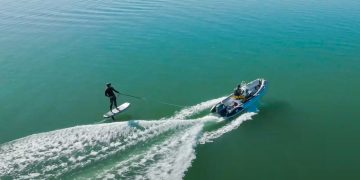
Tow-in towing refers to the technique where an athlete is towed into position by a motorized vehicle—such as a jet ski, boat, or helicopter—to catch waves, execute aerial tricks, or achieve higher speeds than those achievable through paddling alone. The concept originated in surfing, particularly in big wave surfing, but has since spread to other water sports like kiteboarding, wakeboarding, and even hydrofoiling.
The key distinction of tow-in technology is that it allows athletes to access waves or areas of water that would otherwise be out of reach due to distance, size, or lack of wave formation. Instead of waiting for the natural rhythm of the ocean to bring the perfect wave within paddling distance, the athlete is pulled into the wave at higher speeds, enabling them to ride and perform stunts on waves much larger and faster than ever before.
1.2 Tow-In Towing in Different Water Sports
While tow-in technology started as a means of big wave surfing, it has since found applications in various extreme water sports:
- Surfing: In big wave surfing, tow-in allows athletes to catch massive waves that they wouldn’t be able to reach through traditional paddling, such as the waves at Jaws (Peahi) in Hawaii, or Teahupo’o in Tahiti.
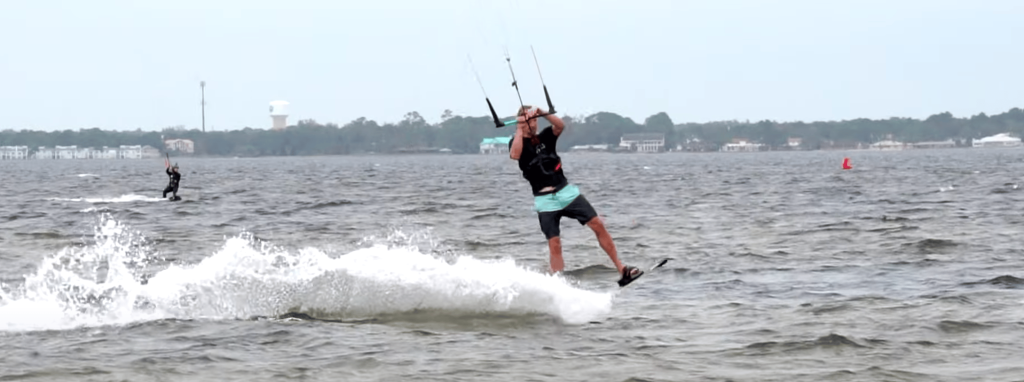
- Kiteboarding: Tow-in kiteboarding involves using a kite to pull the rider into waves or jumps, often allowing for faster acceleration, higher jumps, and more control over the direction of movement.
- Wakeboarding and Hydrofoiling: Towing techniques are also used in wakeboarding and hydrofoiling, where the rider is pulled by a boat or jet ski, often in flat water, allowing them to perform aerial stunts and tricks with precision.
2. The Evolution of Tow-In Technology
2.1 Early Origins and Development in Surfing
The first breakthrough in tow-in surfing occurred in the early 1990s, primarily due to the efforts of Laird Hamilton, a renowned professional surfer. Before the advent of tow-in towing, surfers could only ride waves that were within their paddling range, and thus, the biggest waves remained largely inaccessible.
Laird Hamilton, alongside his collaborator Darryn “Dorian” Pritchard, pioneered the concept of being towed into large waves by a jet ski. This opened up a new realm for big wave surfing, enabling surfers to catch waves up to 30 feet or higher—waves that would be impossible to paddle into.
2.2 Tow-In Technology Breakthroughs: Jet Ski Integration
The integration of jet skis into the towing technique marked a major turning point in the development of tow-in technology. Jet skis provided the perfect blend of mobility and power, allowing surfers to be towed into waves quickly and efficiently.
This breakthrough significantly changed the dynamics of surfing in particular. By the mid-90s, surfboards, jet skis, and the towing technique became an essential component of big wave surfing. It enabled athletes to catch waves that previously would have been impossible to reach. Surfers could now enter huge waves with precision timing and speed, ensuring they could ride the wave to its fullest potential.
2.3 The Rise of High-Speed Towing Systems for Other Sports
In recent years, towing technology has evolved to meet the demands of multiple extreme sports. Technologies previously used for tow-in surfing have been adapted to other sports, including kiteboarding and wakeboarding.
- Kiteboarding: The introduction of kite-powered towing enabled athletes to perform complex aerial maneuvers and reach higher speeds. Kiteboarding tow-in is characterized by a kite that tows the rider in much the same way a jet ski would, but with the additional control and freedom of the kite.
- Wakeboarding: While wakeboarding traditionally involves being towed by a boat, tow-in wakeboarding incorporates higher-speed towing methods and allows athletes to perform stunts previously reserved for extreme sports like snowboarding and skateboarding.
- Hydrofoiling: The evolution of hydrofoiling has been deeply tied to tow-in technology. Hydrofoils elevate the rider above the water, providing a smooth and fast ride. Towing technology allows hydrofoilers to achieve greater speeds and higher jumps, as the tow-in technique provides the required acceleration and momentum.
3. The Mechanics of Tow-In Towing
3.1 How Tow-In Towing Works: The Science Behind the Speed
The fundamental mechanics of tow-in towing involve creating high-speed momentum in the athlete’s motion while providing consistent tension on the tow rope. This is achieved through the motorized vehicle (jet ski, boat, or helicopter), which pulls the athlete into position at a speed that enables them to catch a wave or make an aerial jump.
- Acceleration: The motorized vehicle must be capable of high-speed acceleration to ensure the athlete reaches their desired speed quickly. In surfing, this is critical to reach the peak of massive waves.
- Rope Tension: The rope used for tow-in must be strong and elastic enough to withstand the forces exerted during acceleration and the eventual jump. Additionally, the rope must be long enough to maintain a safe distance between the athlete and the towing vehicle.
- Wave Formation: The towing technique works best on steep waves with rapid formations. This ensures that the athlete has the speed and momentum to perform tricks and make smooth landings.
3.2 Gear and Equipment: Advancements in Towing Technology
The development of towing technology has also spurred advancements in the gear used by athletes in tow-in sports. Key equipment includes:
- Tow-Boards: Specialized boards designed for tow-in sports, such as surfboards, kiteboards, and wakeboards, are built to handle the extra speed and momentum generated by towing.
- Wetsuits and Safety Gear: As tow-in athletes often operate in extreme conditions, wetsuits, helmets, and life jackets have been designed to enhance both performance and safety. Wetsuits are designed to keep the athlete warm while ensuring maximum flexibility and movement.
- Towing Vehicles: The vehicles used for towing, such as jet skis and boats, have also evolved to deliver more efficient towing. High-performance engines, advanced fuel systems, and improved ergonomics for operators are just some of the technological advancements seen in this category.
4. The Impact of Tow-In Technology on Water Sports Performance
4.1 Pushing the Limits of Aerial Stunts and Maneuvers
Tow-in technology has revolutionized performance in extreme water sports by allowing athletes to:
- Perform higher jumps: Towing enables athletes to gain the momentum required to execute massive aerial stunts, such as flips, spins, and other acrobatic tricks.
- Access bigger waves: In big wave surfing, tow-in technology allows surfers to access waves that would otherwise be unreachable through paddling alone, enabling them to ride the world’s most dangerous and largest waves.
- Increased control: The power of towing gives athletes more control over their movements and position, allowing for precise execution of tricks and stunts that would be impossible to achieve under natural conditions.
4.2 The Effect on Competitive Water Sports
Tow-in towing has made its mark on competitive water sports by altering how athletes approach challenges and the performance of maneuvers. The ability to catch larger waves or perform higher tricks has redefined the way competitions are structured.
Athletes can now focus on style, creativity, and technicality, knowing they can reach the necessary waves or speed required for advanced tricks. This evolution has led to the inclusion of new disciplines and events in major water sports competitions.
5. The Future of Tow-In Technology: Innovations and Trends
5.1 Smart Towing Systems and Digital Integration
The future of tow-in technology is likely to be shaped by further integration of smart systems and digital technologies. Innovations could include:
- AI-powered towing systems that adjust speed and tension in real-time to match the athlete’s performance needs.
- Drone towing: The potential for unmanned aerial vehicles (UAVs) or drones to tow athletes could offer more precise control and eliminate human error from towing operations.
- Enhanced tracking systems for monitoring the athlete’s position, wave conditions, and safety, providing better performance data and risk mitigation.
5.2 Sustainability and Eco-Friendly Tow-In Technologies
As the world continues to focus on environmental sustainability, there will likely be a push toward eco-friendly towing solutions. These could include:
- Electric-powered jet skis: Reducing fuel emissions and noise pollution while maintaining the power required for tow-in sports.
- Hybrid propulsion systems: Utilizing a combination of electric and traditional fuel systems to improve fuel efficiency and reduce carbon footprints.
Conclusion
The breakthroughs in tow-in technology have undeniably shaped the future of extreme water sports, providing athletes with new avenues for creativity, performance, and innovation. From big wave surfing to kiteboarding and wakeboarding, tow-in techniques have pushed the boundaries of what is possible, enabling athletes to achieve feats that were once thought to be unattainable.
As technology continues to evolve, we can expect further advancements in tow-in equipment, vehicle design, and sustainability practices, making these sports even more exciting, accessible, and eco-friendly. Tow-in technology stands as a testament to the relentless pursuit of innovation in extreme sports, forever altering the landscape of water-based adventure.