






Introduction: A World Beneath the Waves
The Earth’s surface is home to an array of geological phenomena that shape landscapes, influence climates, and support diverse ecosystems. However, beneath the ocean’s depths lies a mysterious and less-understood world where some of the planet’s most fascinating and unique ecosystems thrive. Among these, underwater volcanoes and black smoker vents represent some of the most extreme and remarkable environments on Earth. These phenomena are not only essential to our understanding of Earth’s geological activity but also offer insights into the resilience and adaptability of life in extreme conditions.
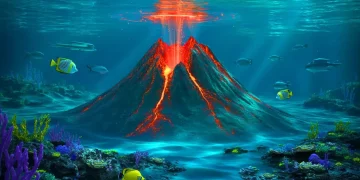
An underwater volcano forms beneath the sea, often in areas where tectonic plates are pulling apart or converging. These underwater eruptions release magma, gases, and minerals that create new seafloor and, over time, contribute to the formation of complex ecosystems. One of the most captivating features of these volcanoes is the black smoker vents, hydrothermal features that discharge superheated water rich in minerals, creating unique environments that support life forms that would be unsustainable in any other part of the ocean.
This article explores the science behind underwater volcanoes and black smoker ecosystems, examining their formation, the organisms that thrive around them, the symbiotic relationships that define these ecosystems, and the potential for studying these extreme environments to inform our understanding of life’s adaptability on Earth—and possibly even on other planets.
1. Understanding Underwater Volcanoes and Their Formation
1.1 What Are Underwater Volcanoes?
Underwater volcanoes, or submarine volcanoes, are volcanoes that occur beneath the ocean’s surface. They form in areas of tectonic plate movement, where the Earth’s crust is either being pulled apart or pushed together. These volcanoes can range in size from small, isolated vents to massive structures known as mid-ocean ridges. The largest underwater volcano, Mauna Kea, is located in Hawaii and, when measured from its base on the ocean floor, is taller than Mount Everest.
There are two primary types of submarine volcanoes:
- Active Volcanoes: These volcanoes erupt with varying frequency and can have dramatic effects on the surrounding environment. Active underwater volcanoes are often found along tectonic plate boundaries, such as the Mid-Atlantic Ridge or the Pacific Ring of Fire.
- Dormant or Extinct Volcanoes: These volcanoes are no longer active but may have once been sources of eruptions. Some, over time, have become covered in sediments and are challenging to detect.
1.2 How Do Underwater Volcanoes Erupt?
Underwater volcanic eruptions are caused by the movement of tectonic plates. As plates shift, magma from the Earth’s mantle rises through fissures in the crust. When this magma reaches the ocean floor, it cools quickly due to the surrounding cold seawater, forming basalt rock. Over time, repeated eruptions can lead to the creation of seamounts (underwater mountains) or islands.
An underwater eruption can involve a combination of:
- Magma Release: When magma erupts, it cools rapidly in the cold ocean, creating a series of jagged formations and new seafloor.
- Gas Emissions: In addition to molten rock, underwater volcanoes release gases such as carbon dioxide (CO₂), sulfur dioxide (SO₂), and hydrogen sulfide (H₂S), which can be crucial for sustaining life around black smoker vents.
- Pyroclastic Flows: These flows of hot, gas-rich fluids can travel across the seafloor, displacing or killing marine life in their path, but they also contribute to creating unique habitats for some species.
2. Black Smoker Vents: Nature’s Deep-Sea Furnaces
2.1 What Are Black Smokers?
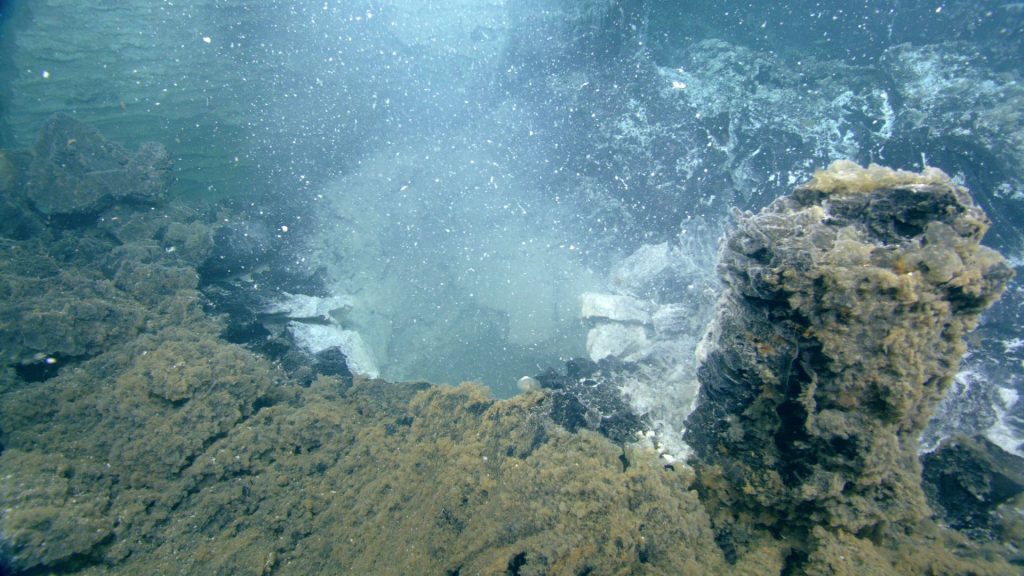
At the heart of many underwater volcanic regions are the black smoker vents, also known as hydrothermal vents. These are fissures in the ocean floor through which geothermally heated water is expelled. The water that emerges from these vents is often rich in minerals such as sulfides, metals, and other elements, which precipitate out when they come into contact with the cold seawater. This process forms the black, soot-like particles that give the smokers their name.
Key Features of Black Smoker Vents:
- Extreme Temperatures: The water from black smokers is often heated to temperatures of up to 400°C (752°F), much hotter than the surrounding ocean waters.
- Chemical Composition: The fluids released by black smokers contain high concentrations of sulfides, metals, and methane, creating a chemical-rich environment that sustains unique life forms.
- Longevity: Black smokers are generally short-lived phenomena, often lasting anywhere from a few decades to a century before they become inactive.
2.2 The Role of Black Smokers in Ocean Ecology
Despite the inhospitable conditions, black smoker ecosystems are home to diverse and specialized life forms. The heat and chemicals from the vents create an environment that is highly different from the rest of the ocean, leading to the evolution of unique biological systems. Unlike most ecosystems, which rely on sunlight for energy via photosynthesis, the organisms around black smokers rely on chemosynthesis—a process where bacteria use the chemicals from the vents, like hydrogen sulfide, to produce food.
Key organisms found around black smokers include:
- Giant Tube Worms: These remarkable creatures can grow over 2 meters (6.5 feet) long and are often found in large colonies around hydrothermal vents. They lack a digestive system and instead host symbiotic bacteria inside their bodies, which convert the chemicals from the vent into energy.
- Vent Shrimp: These small crustaceans are among the first organisms to colonize newly formed black smoker environments. They feed on the bacteria and other microorganisms that thrive in the mineral-rich waters.
- Clams and Mussels: Some species of clams and mussels live near the vents, relying on chemosynthetic bacteria in their gills to convert chemicals from the vents into nutrients.
- Fish: Although few fish live near the high-temperature zones of black smokers, some species have adapted to the extreme conditions. These fish feed on the organisms that thrive near the vents.
3. Unique Adaptations of Life in Hydrothermal Vent Ecosystems
3.1 Chemosynthesis: The Foundation of Life
In contrast to traditional ecosystems where sunlight drives photosynthesis, the black smoker ecosystem relies on chemosynthesis—a biological process in which organisms use the energy stored in chemical bonds rather than sunlight to produce food. Chemosynthetic bacteria convert the minerals released from the vents, such as hydrogen sulfide, into organic matter. These bacteria form the base of the food chain, supporting a wide range of organisms, from tube worms to larger predators.
The Process of Chemosynthesis:
The general equation for chemosynthesis is:CO2+H2S+O2→CH2O+H2O+S
Where H₂S (hydrogen sulfide) serves as the primary energy source, and CO₂ is used to create carbohydrates (sugars) that fuel the ecosystem.
3.2 Symbiotic Relationships in Hydrothermal Vent Ecosystems
Many organisms that live near black smokers rely on symbiotic relationships with chemosynthetic bacteria. For example:
- Tube Worms: These worms have specialized organs called trophosomes that house chemosynthetic bacteria. The bacteria convert hydrogen sulfide from the vent fluids into energy, which is then shared with the worm.
- Clams and Mussels: Like tube worms, these bivalves host chemosynthetic bacteria in their gills. The bacteria convert the minerals from the vent fluids into nutrients that the bivalves consume.
These symbiotic relationships are crucial for the survival of the vent organisms, allowing them to thrive in an environment where traditional food sources are absent.
4. The Impact of Underwater Volcanism on Global Ecology
4.1 Role in Ocean Circulation and Climate Regulation
Underwater volcanoes and hydrothermal vents play an important role in global ocean circulation and, by extension, climate regulation. The heat and minerals released by these vents contribute to the thermal dynamics of the deep ocean, influencing currents and the movement of water masses across the globe.
- Hydrothermal Circulation: The fluids expelled from the black smokers help drive the ocean’s thermal circulation system, which is essential for maintaining the Earth’s climate and ocean ecosystems.
- Mineral Cycling: Hydrothermal vents play a role in the cycling of minerals such as sulfur, copper, and iron in the ocean, which are vital for the health of marine life.
4.2 Potential for Studying Life Beyond Earth
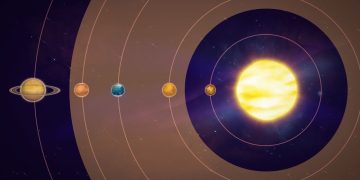
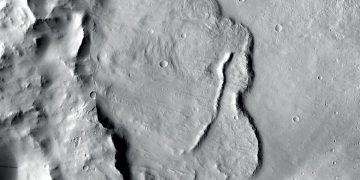
The extreme environments found around underwater volcanoes and black smokers have prompted scientists to look to these ecosystems as analogs for life on other planets, particularly Mars and Europa, one of Jupiter’s moons. These environments show that life can thrive without sunlight and in conditions of extreme heat and pressure, which opens up possibilities for the existence of life in similarly hostile environments elsewhere in the solar system.
Conclusion: Unveiling Earth’s Hidden Marvels
Underwater volcanoes and black smoker vents represent some of the most extreme and fascinating ecosystems on Earth. These environments provide critical insights into the geological activity beneath our oceans and the resilience of life in the most inhospitable conditions. The organisms that thrive near these vents have adapted in remarkable ways, relying on chemosynthesis rather than photosynthesis and forming symbiotic relationships that sustain entire ecosystems.
As technology advances, we continue to uncover the mysteries of these deep-sea phenomena, offering profound insights into the Earth’s geological processes, the diversity of life, and the potential for extraterrestrial life. By understanding the complex interplay between geology, chemistry, and biology in these ecosystems, we can better appreciate the resilience of life on our own planet and the broader implications for life beyond Earth.