









Introduction
The world’s oceans, vast and mysterious, have long captivated human imagination, harboring an array of phenomena that remain both enchanting and elusive. One such phenomenon, known as oceanic bioluminescence or more commonly Blue Tears, is an extraordinary and beautiful spectacle that occurs in certain parts of the world’s oceans. These glowing, ethereal lights, often seen as a brilliant blue or turquoise, are produced by marine organisms and can transform a calm night at sea into a glowing wonderland. Though widely admired, the phenomenon is still not fully understood, and the science behind it continues to intrigue researchers and nature lovers alike.
This article will explore the origins, causes, and ecological significance of oceanic bioluminescence, with a particular focus on the mysterious “Blue Tears” phenomenon. We will examine the organisms responsible for this spectacle, the environmental conditions that trigger it, and the broader implications it has for marine life and human understanding of natural bioluminescence. From the depths of the ocean to the shores of coastal regions, the Blue Tears phenomenon is one of nature’s most mesmerizing displays, and its study continues to reveal new facets of life in the sea.
What is Bioluminescence?
Bioluminescence is the production and emission of light by living organisms. This light is produced through a chemical reaction in specialized cells or organelles. Unlike fluorescence, where a substance absorbs light and re-emits it at a different wavelength, bioluminescence involves a chemical process that releases light. The reaction occurs when a light-emitting molecule called luciferin reacts with an enzyme known as luciferase, producing light without heat.
Bioluminescence is found in a wide range of organisms, including fireflies, fungi, and marine animals. In the ocean, bioluminescence is particularly abundant, with many species of fish, plankton, and other marine organisms capable of producing light. This ability has evolved for various purposes, such as attracting mates, camouflaging from predators, or luring prey.
Types of Bioluminescence
- Luciferin-Luciferase System: The most common bioluminescent system, found in many marine organisms. This system involves the enzyme luciferase catalyzing a reaction with luciferin to produce light. The light emitted can range from blue to green, the most common colors in the ocean.
- Fluorescence vs. Bioluminescence: While fluorescence occurs when an organism absorbs light and re-emits it at a different wavelength, bioluminescence is the direct emission of light without the need for external light sources.
The Blue Tears Phenomenon: A Glowing Spectacle
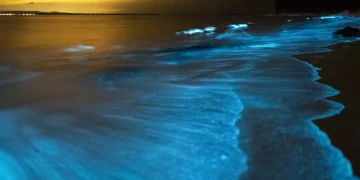
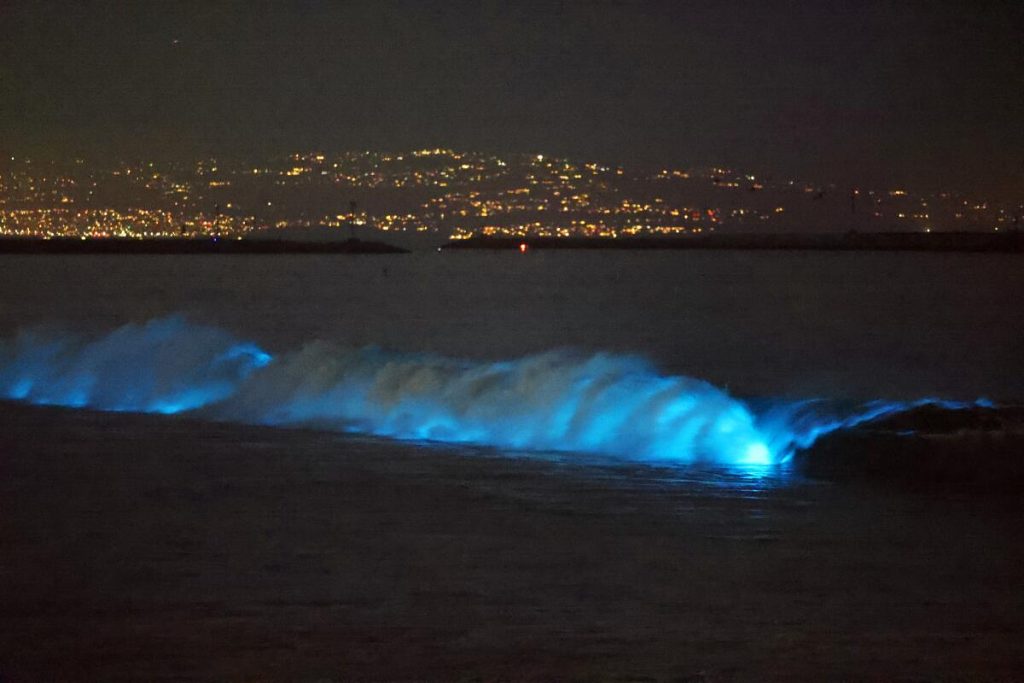
One of the most spectacular manifestations of oceanic bioluminescence is the Blue Tears phenomenon, a breathtaking display of glowing blue waves in the ocean. This phenomenon is typically observed in coastal areas and is caused by the bioluminescent properties of certain marine organisms. The name “Blue Tears” captures the surreal beauty of this phenomenon, which seems to imbue the ocean with a magical, otherworldly glow.
The Cause of Blue Tears
The Blue Tears effect is primarily caused by the bioluminescence of marine plankton, particularly dinoflagellates. These single-celled organisms emit light when disturbed, creating the glowing blue waves and sparkling water that have been described as “tears” by observers. The most commonly cited species responsible for this stunning effect is Noctiluca scintillans, a type of dinoflagellate that is notorious for its ability to emit light when agitated by movement in the water.
The light produced by dinoflagellates is a result of the luciferin-luciferase reaction, which occurs when the organisms are stimulated by physical motion—such as waves, currents, or the movement of boats and swimmers. This is a form of bioluminescent defense, where the organisms light up in an attempt to confuse or deter predators. When disturbed, the dinoflagellates create a brief flash of light, which, in large groups, can lead to a luminous display that is visible to the naked eye.
Why Do Blue Tears Glow Blue?
The color of the light emitted by bioluminescent organisms like Noctiluca scintillans is largely determined by the properties of the luciferin molecule and the wavelength of light it emits. The blue glow of the Blue Tears phenomenon is a result of the emission of light at wavelengths around 450-490 nanometers, which corresponds to the blue and green end of the visible spectrum.
The reason blue light is so common in marine bioluminescence is that blue light travels farther through water than other colors. This makes it more effective for marine organisms to communicate or attract mates, as blue light can penetrate the ocean depths much more effectively than red or green light.
The Ecology of Bioluminescent Organisms
Marine bioluminescence is not just an aesthetic phenomenon; it plays an important ecological role in the ocean. Bioluminescent organisms have evolved this trait for a variety of survival strategies. Let’s explore some of the ways that marine organisms use bioluminescence to their advantage:
1. Camouflage
Many marine organisms use bioluminescence for counterillumination, a form of camouflage that helps them blend into their surroundings. For example, certain fish and squid use bioluminescence to mimic the light coming from the surface of the ocean. This makes it harder for predators below to detect them.
- Example: The hatchetfish, a small deep-sea fish, uses bioluminescence to match the ambient light coming from above. This helps the fish avoid predators lurking in deeper waters.
2. Attraction of Mates
For some species, bioluminescence is used as a signal for attracting mates. Fireflies are perhaps the most famous example of bioluminescence in the animal kingdom, but marine organisms like jellyfish and certain species of fish also use light to signal their availability for mating.
- Example: The male firefly squid produces a light signal to attract females during the mating season. This light is produced by special cells in the squid’s body and is synchronized to create a shimmering glow.
3. Luring Prey
In the deep sea, where light is absent, predators often rely on bioluminescence to lure in their prey. Some organisms possess specialized light organs to attract smaller fish and invertebrates.
- Example: The anglerfish uses a bioluminescent lure to attract its prey. The glowing light from the lure is irresistible to smaller fish, which come closer to inspect it, only to be consumed by the anglerfish.
4. Defense Mechanism
For certain species, bioluminescence serves as a defensive mechanism to escape predators. The sudden flash of light can startle or confuse predators, giving the organism a chance to escape. Some marine animals even release bioluminescent particles into the water to distract or disorient attackers.
- Example: The pyrosome, a type of colonial tunicate, releases glowing particles when threatened, creating a cloud of light that confuses potential predators.
Where and When to See the Blue Tears Phenomenon
The Blue Tears phenomenon is most commonly observed in tropical and subtropical coastal regions where dinoflagellates like Noctiluca scintillans are abundant. This phenomenon is typically seen on clear, calm nights when the conditions are just right for the bioluminescent plankton to glow.
1. Locations of the Blue Tears Phenomenon
Some of the most well-known locations to witness Blue Tears are:
- Maldives: The Maldives is famous for its bioluminescent beaches, particularly in areas like Vaadhoo Island, where the Blue Tears phenomenon is often visible.
- Puerto Rico: The bioluminescent bay of Vieques in Puerto Rico is home to a unique variety of dinoflagellates that produce a glowing blue light at night.
- California: Certain coastal regions in California, particularly near Monterey Bay, experience occasional bioluminescent blooms that create a similar glowing effect.
- New Zealand: The coastlines of New Zealand are another place where Blue Tears can be observed, especially during the summer months when plankton blooms are most likely to occur.
2. When to See Blue Tears
The Blue Tears phenomenon is most commonly observed during warmer months when oceanic conditions are more favorable for plankton blooms. Factors such as water temperature, nutrient availability, and the presence of storms or rain can all influence the occurrence and intensity of the bioluminescence.
Best Time of Year: Summer and early fall are typically the best seasons to witness Blue Tears, as these are the months when plankton populations are at their peak.
Best Conditions: Clear, calm nights with minimal moonlight offer the best chance of seeing Blue Tears. The phenomenon is most visible in the absence of artificial light, so remote and isolated beaches or coastal areas are the ideal viewing spots.
Scientific and Environmental Significance of Bioluminescence
Oceanic bioluminescence, including the Blue Tears phenomenon, has broader scientific and environmental implications. Understanding the role of bioluminescent organisms in the ocean ecosystem can help us gain insights into marine food webs, environmental health, and the impacts of climate change on oceanic life.
1. Indicator of Ocean Health
The presence of bioluminescent plankton, such as Noctiluca scintillans, is sometimes used as an indicator of changes in ocean health. Plankton blooms can be triggered by changes in water quality, nutrient levels, and temperature. Monitoring the occurrence of bioluminescent phenomena can help scientists track shifts in marine ecosystems, particularly in the context of human-induced environmental changes.
2. Marine Conservation
Studying the bioluminescence of marine organisms is an essential part of marine conservation efforts. By understanding how and why certain organisms produce light, researchers can develop more effective conservation strategies, ensuring the protection of both the organisms that create these phenomena and the ecosystems they inhabit.
Conclusion
The Blue Tears phenomenon is a stunning reminder of the beauty and complexity of marine life. This glowing display, driven by the bioluminescence of dinoflagellates and other marine organisms, is not only a visual wonder but also a vital part of the ocean’s ecological dynamics. The study of bioluminescence, and particularly the Blue Tears phenomenon, continues to captivate scientists and nature enthusiasts alike, offering new insights into the mysteries of the ocean and its ecosystems.
Whether observed on the pristine shores of the Maldives or the remote coastlines of Puerto Rico, the Blue Tears phenomenon offers a fleeting yet unforgettable connection to the natural world, reminding us of the hidden marvels that exist beneath the surface of the sea. As we continue to explore and understand these luminous creatures, we gain a greater appreciation for the intricate relationships that sustain life in the ocean and the delicate balance that allows such extraordinary phenomena to occur.