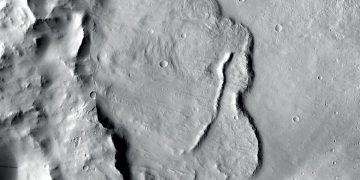










The possibility of finding water on Mars has been a subject of fascination and scientific inquiry for decades. Water is not only a crucial element for sustaining life but also a key indicator of the planet’s potential habitability. While Mars is currently a cold, dry world, substantial evidence has emerged over the past few years that points to the existence of water beneath its surface. This discovery could have profound implications for future human exploration, the search for life beyond Earth, and our understanding of Mars’ geological and climatic history.
This article provides a comprehensive look into the evidence for underground water on Mars, the techniques used to detect it, its potential sources, and what it means for the future of Mars exploration.
1. The Importance of Water on Mars
Water is essential for life as we know it, and it is a critical factor in determining the potential for life beyond Earth. The presence of liquid water is also important for future human missions to Mars, as it could serve as a vital resource for drinking, agriculture, and even fuel production.
Scientists have long hypothesized that liquid water may have once flowed on the surface of Mars, as evidenced by dry riverbeds, valleys, and ancient lakebeds observed from orbit. However, the discovery of subsurface water would be even more significant, as it would suggest that Mars might still harbor life below its surface or could support future human colonies by providing a sustainable water source.
2. The Discovery of Subsurface Water: Early Evidence
Over the years, Mars missions have provided compelling evidence of water, both in the form of ancient features on the surface and more recently as signs of underground reservoirs. Some key discoveries include:
2.1 The Ancient River Channels and Lakebeds
From the early Mars missions, scientists observed large, dried-up riverbeds, valleys, and massive ancient lakebeds that hinted at a time in Mars’ distant past when liquid water was abundant on the surface. These features are found in areas like the Gale Crater and the Valles Marineris, suggesting that Mars had a much warmer and wetter climate billions of years ago.
2.2 Evidence from the Mars Rovers: Opportunity and Curiosity
Mars rovers, such as Opportunity and Curiosity, have played a crucial role in uncovering evidence of past water activity on the Martian surface. Opportunity discovered evidence of ancient wet environments, including hematite-rich “blueberries” that form in water, as well as signs of ancient water-lain rocks in the Meridiani Planum region.
Curiosity, which landed on Mars in 2012, has been studying Gale Crater. In 2013, it found evidence of ancient water-rich environments in the form of sulfate deposits, which are often formed by evaporating water. Curiosity’s work provides compelling evidence that Mars had liquid water in the past, potentially creating habitable conditions for microbial life.

3. The Role of Subsurface Water on Mars
While the evidence of past surface water on Mars is intriguing, more recent discoveries suggest that water may still exist underground. In fact, it may be one of the most important elements for the potential of life on Mars, both past and present.
3.1 The Ice-Permafrost Layer: Mars’ Frozen Water Reserves
Mars is extremely cold, with an average surface temperature of about -60°C. As a result, water on the surface would quickly freeze or evaporate. However, beneath the surface, temperatures can be higher, especially at certain latitudes and depths. The presence of a thick layer of permafrost beneath the Martian surface has been confirmed by several missions, including NASA’s Phoenix lander and the Mars Reconnaissance Orbiter (MRO).
The Phoenix lander, which landed near the Martian north pole in 2008, uncovered water ice in the soil. It also found that the ice had a higher concentration of minerals than expected, indicating that the water ice was chemically processed, likely by interaction with salts and minerals over time. Similarly, MRO has captured images of ice deposits at the poles and beneath the surface, showing that large amounts of water ice could be stored below the Martian surface.
3.2 The Discovery of Subsurface Liquid Water
In 2018, a major breakthrough came from the European Space Agency’s Mars Express mission, which reported evidence of a large underground lake of liquid water beneath Mars’ southern polar ice cap. Using the Mars Advanced Radar for Subsurface and Ionosphere Sounding (MARSIS), scientists detected a layer of liquid water more than a kilometer beneath the surface.
This discovery was groundbreaking for several reasons:
- Subsurface water can remain in liquid form even in extremely cold environments due to the pressure of overlying ice and the presence of salts in the water. The pressure keeps the water from freezing solid, and salts lower the freezing point.
- Mars’ subsurface could be a potential habitat for microbial life, as underground lakes may offer a stable environment that shields any organisms from the harsh surface conditions, such as radiation and extreme temperature fluctuations.
3.3 The Role of Salts in Subsurface Water
One of the key findings associated with the underground water discovery is the presence of salts, specifically perchlorates. These salts can significantly lower the freezing point of water, allowing it to remain liquid even under Mars’ frigid conditions. Perchlorates have been found in both Martian soil and in the ice deposits near the poles, and they could play a crucial role in maintaining liquid water beneath the surface.
In addition to providing clues about the planet’s ability to store liquid water, the presence of salts also has important implications for the possibility of life. Perchlorates can be harmful to terrestrial life forms, but they might also support the growth of certain microbial organisms, provided the environmental conditions are suitable.
4. Techniques Used to Detect Subsurface Water on Mars
Detecting subsurface water on Mars is not an easy task, given the planet’s harsh conditions and the depths at which liquid water may be found. Several advanced technologies and instruments have been used to identify signs of subsurface water:
4.1 Radar Sounding: Mars Advanced Radar for Subsurface and Ionosphere Sounding (MARSIS)
The MARSIS instrument aboard the Mars Express spacecraft has been instrumental in detecting subsurface water on Mars. MARSIS uses radar waves to penetrate the Martian surface and detect different layers beneath. By studying the reflections of the radar waves, scientists can determine the composition of subsurface features and identify the presence of water in its liquid state.
In 2018, MARSIS detected a distinct radar reflection from a 20-kilometer wide underground lake at a depth of around 1.5 kilometers beneath the south pole of Mars. This was the first definitive evidence of liquid water beneath the Martian surface.
4.2 High-Resolution Imaging: Mars Reconnaissance Orbiter (MRO)
The MRO has provided detailed images of the Martian surface, revealing signs of seasonal flows of water, known as recurring slope lineae (RSL). These dark streaks, which appear on steep slopes, have been observed to grow during warmer months and recede during cooler months. Although there is still debate over the exact mechanism, scientists speculate that RSL may be caused by the seasonal flow of salty liquid water.
4.3 Robotic Landers and Rovers: The Search for Water on the Ground
Robotic landers, such as the Phoenix lander and Curiosity rover, have provided additional insights into the presence of water. The Phoenix lander discovered traces of water ice near the Martian north pole in 2008, while Curiosity found evidence of past water activity in Gale Crater.
NASA’s Perseverance rover, which landed on Mars in 2021, continues this search for signs of water, especially in the form of ancient lakebeds and river channels. By collecting samples and analyzing the chemical composition of rocks, Perseverance hopes to gather more clues about Mars’ water history and its potential for supporting life.
5. Implications for Life on Mars
The discovery of subsurface water on Mars has profound implications for the potential of life on the Red Planet. While no direct evidence of life has been found, the conditions beneath the surface may be more hospitable to microbial organisms than the harsh surface environment.
5.1 Could Life Exist in Subsurface Water?
Mars’ surface is bombarded by harmful radiation from the Sun, making it a hostile environment for life. However, the subsurface, protected by layers of soil and ice, offers a much more stable environment. Scientists speculate that microbial life, if it ever existed on Mars, may have survived in underground water reserves, shielded from the surface’s radiation and temperature fluctuations.
The discovery of liquid water, especially in areas where salts are present, suggests that the subsurface environment could still support life today. Perchlorates and other chemicals found in Martian soil might provide the necessary nutrients for microbial life, just as certain microbes on Earth are capable of surviving in extreme environments like deep-sea vents or ice-covered lakes.
6. Future of Mars Exploration and Human Colonization
The discovery of underground water on Mars has opened up new possibilities for human exploration and colonization. Future missions will likely focus on tapping into these water reserves, as water is crucial for long-term human habitation. The presence of subsurface water could provide a sustainable resource for drinking, farming, and even fuel production.
In the near future, technologies may be developed to extract water from beneath the Martian surface, either by drilling into ice deposits or by harvesting liquid water from subsurface lakes. This would significantly reduce the need to transport water from Earth, making Mars missions more feasible and cost-effective.
7. Conclusion: Mars’ Water Mystery Continues
The discovery of subsurface water on Mars marks a pivotal moment in the history of space exploration. While many questions remain about the origins, quantity, and availability of water beneath the Martian surface, the evidence is clear: Mars is not as dry and barren as once believed.
Continued research and exploration will provide deeper insights into the planet’s potential to harbor life and support human colonization. As we move forward, understanding the role of water on Mars will be essential not only for scientific discovery but also for the future of humanity’s presence on the Red Planet.