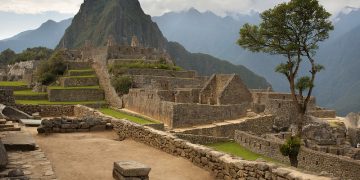










The civilizations of the Inca and the Maya represent two of the most remarkable cultural and architectural achievements of pre-Columbian Latin America. While separated by geography, environment, and chronology, both civilizations produced urban centers of extraordinary complexity, blending architectural ingenuity, religious significance, and social organization. The remnants of these cities—many “lost” for centuries beneath jungles, mountains, or volcanic ash—offer invaluable insights into human innovation, societal resilience, and cultural legacy.
This comprehensive exploration delves into the history, urban planning, architecture, cultural significance, rediscovery, and modern study of the lost cities of the Inca and Maya civilizations. Drawing upon archaeology, anthropology, and historical records, it provides a professional, richly detailed account suitable for scholars, travelers, and enthusiasts of ancient civilizations.
1. Introduction to Inca and Maya Civilizations
1.1 Geographic Context
- Inca Civilization: Centered in the Andean highlands, spanning modern-day Peru, Ecuador, Bolivia, Chile, and Argentina.
- Maya Civilization: Located in Mesoamerica, covering present-day Mexico, Guatemala, Belize, Honduras, and El Salvador.
1.2 Chronology
- The Maya civilization flourished from roughly 2000 BCE to the 16th century CE, peaking during the Classic Period (250–900 CE).
- The Inca Empire reached its height in the 15th century, lasting until the Spanish conquest in the early 16th century.
1.3 Cultural Achievements
- Both civilizations excelled in architecture, astronomy, agriculture, and administration.
- The Maya developed hieroglyphic writing and sophisticated calendars.
- The Inca excelled in engineering, road networks, and terraced agriculture.
2. The Concept of “Lost Cities”
2.1 Definition and Discovery
- Lost cities are urban centers abandoned or forgotten, often reclaimed by nature over centuries.
- Rediscovery typically occurs through archaeological exploration, local knowledge, or accidental findings.
2.2 Causes of Abandonment
- Warfare and conquest: Political instability and foreign invasions.
- Environmental changes: Drought, deforestation, volcanic eruptions, or resource depletion.
- Societal collapse: Internal strife, economic disruption, or disease epidemics.
2.3 Significance of Rediscovery
- Offers insight into ancient urban planning, religious practices, and daily life.
- Enhances understanding of cultural continuity and transformation in Latin America.
3. Lost Cities of the Inca Civilization
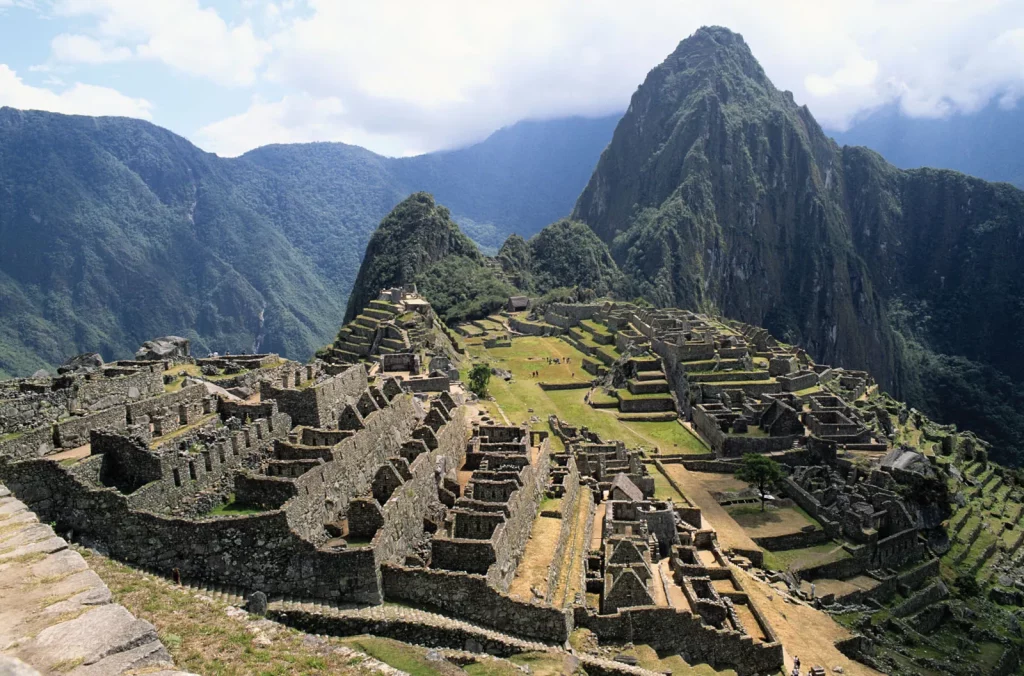
3.1 Machu Picchu: The Iconic Mountain Citadel
- Located in the Cusco region of Peru, perched 2,430 meters above sea level.
- Built in the mid-15th century by Emperor Pachacuti, serving as a royal estate and religious center.
- Features: Terraced agricultural fields, stone temples, residential sectors, and sacred plazas.
- Rediscovered in 1911 by Hiram Bingham, drawing global attention to Inca achievements.
3.2 Choquequirao: The Sister City
- Often called the “sister city” of Machu Picchu, situated in the Vilcabamba range.
- Remote location preserved its complex ceremonial and residential architecture.
- Significance: Demonstrates Inca adaptability to mountainous terrain and strategic settlement planning.
3.3 Vilcabamba: Last Inca Stronghold
- Served as the final refuge of Inca rulers resisting Spanish conquest.
- Comprises urban sectors, fortifications, and agricultural terraces.
- Rediscovery: Archaeological work in the 20th century revealed significant insights into the empire’s final years.
3.4 Architectural and Engineering Innovations
- Dry-stone walls (ashlar masonry) with seismic-resistant design.
- Advanced irrigation systems and terracing for agriculture on steep slopes.
- Road networks (Qhapaq Ñan) connecting remote cities across rugged terrain.
4. Lost Cities of the Maya Civilization
4.1 Tikal: The Jungle Metropolis
- Located in Guatemala, one of the largest and most powerful Maya cities.
- Features: Temple-pyramids, ball courts, palaces, and plazas.
- Rediscovery: Early 19th-century explorers and 20th-century archaeologists revealed its grandeur.
4.2 Copán: The Sculptural Capital
- Situated in Honduras, renowned for intricate stelae and altars depicting rulers and deities.
- Advanced calendrical inscriptions and hieroglyphic texts document history and dynasties.
4.3 Palenque: Architectural and Artistic Mastery
- Located in Chiapas, Mexico, Palenque is famous for its Temple of the Inscriptions, tombs, and decorative reliefs.
- Demonstrates integration of astronomy, religion, and urban design.
4.4 Caracol: The Astronomical City
- Belizean site notable for its complex observatories, plazas, and ceremonial structures.
- Reflects Maya precision in tracking celestial events and seasonal cycles.
4.5 Maya Urban Design and Technology
- Evolved from dispersed settlements to monumental ceremonial centers.
- Sophisticated water management systems: reservoirs, canals, and cisterns.
- Stone masonry, stucco decoration, and symbolic spatial organization reflected cosmology and social hierarchy.
5. Common Themes in Lost Cities
5.1 Integration with Natural Landscapes
- Inca: Terraces, mountain pathways, and alignment with sacred peaks.
- Maya: Urban centers embedded in dense jungles, utilizing limestone and local resources.
5.2 Religious and Ceremonial Significance
- Central plazas, temples, and ritual spaces reflect cosmology, deity worship, and ceremonial cycles.
- Astronomy guided construction: solstices, equinoxes, and planetary alignments influenced city layout.
5.3 Social and Political Organization
- Cities functioned as administrative, residential, and economic hubs.
- Evidence of hierarchical governance, labor organization, and tribute systems.
6. Rediscovery and Archaeological Exploration
6.1 Early Explorers and Scholars
- European explorers, missionaries, and adventurers first documented ruins in the 16th–19th centuries.
- Rediscovery often relied on local knowledge preserved through oral tradition.
6.2 Modern Archaeology
- Excavations utilize stratigraphy, radiocarbon dating, LIDAR scanning, and 3D modeling.
- LIDAR has revealed previously unknown Maya settlements beneath dense jungles, reshaping understanding of population density and urban planning.
6.3 Preservation Challenges
- Deforestation, tourism, looting, and climate change threaten fragile sites.
- UNESCO World Heritage designation and local conservation efforts aim to protect cultural heritage.
7. Cultural Insights from Lost Cities
7.1 Understanding Daily Life
- Residences, workshops, and marketplaces reveal diet, craft production, and social hierarchy.
- Burial practices provide insight into spiritual beliefs and social stratification.
7.2 Technology and Innovation
- Inca engineering solved challenges of mountainous terrain.
- Maya mathematics, writing, and astronomy demonstrate high intellectual sophistication.
7.3 Cosmology and Urban Planning
- Both civilizations aligned cities with celestial phenomena and sacred geography.
- Integration of architecture and landscape reflects spiritual and symbolic meaning.
8. Tourism, Cultural Engagement, and Ethical Considerations
8.1 Responsible Tourism
- Minimizing environmental impact, respecting local communities, and following preservation guidelines.
- Balancing accessibility with conservation to prevent degradation.
8.2 Cultural Education
- Guided tours and interpretive centers provide historical context and highlight achievements.
- Experiential learning promotes appreciation of indigenous knowledge and resilience.
8.3 Ethical Archaeology
- Collaboration with descendant communities ensures research respects living cultural heritage.
- Avoid exploitation or commercialization of sacred sites.
9. Comparative Reflections
| Feature | Inca Cities | Maya Cities |
|---|---|---|
| Terrain | Mountainous Andes | Lowland jungles and highlands |
| Construction | Stone masonry, terraces | Limestone, stucco, pyramids |
| Writing | Quipu (knotted strings) | Hieroglyphics |
| Astronomy | Alignment with peaks | Solar/lunar cycles, observatories |
| Urban Planning | Strategic military & agricultural | Ceremonial & residential centers |
| Rediscovery | 1911 Machu Picchu | 19th–20th century jungle expeditions |
- Despite geographic and temporal differences, both civilizations achieved architectural, technological, and social sophistication that continues to inspire awe.
10. Modern Significance of Lost Cities
10.1 Academic Research
- Offers insight into ancient engineering, urban planning, and cultural resilience.
- Supports interdisciplinary study: archaeology, anthropology, architecture, astronomy.
10.2 Cultural Identity and Pride
- Reinforces indigenous heritage and continuity in Latin America.
- Inspires education, tourism, and cultural preservation initiatives.
10.3 Global Inspiration
- Influences literature, art, architecture, and popular media.
- Symbolizes human ingenuity and adaptability in diverse environments.
11. Conclusion
The lost cities of the Inca and Maya civilizations are more than archaeological sites; they are living testaments to human creativity, resilience, and spiritual expression. From the terraced heights of Machu Picchu to the jungle temples of Tikal, these cities embody a sophisticated understanding of architecture, astronomy, social organization, and environmental management.
Rediscovery and study of these cities continue to reveal lessons in adaptation, innovation, and cultural continuity. They remind us that even in the face of abandonment, conquest, or environmental change, the ingenuity of human societies can endure across centuries.
For scholars, travelers, and enthusiasts, exploring these lost cities offers an unparalleled window into the past, blending wonder, education, and inspiration. In a world constantly reshaped by modernity, the enduring legacies of the Inca and Maya serve as timeless reminders of what civilizations can achieve when ingenuity, environment, and spirituality converge.