









Introduction
From the towering pyramids of Egypt to the ancient city of Babylon, human civilization has long been fascinated with the remains and legacies of the ancient world. For millennia, the mysteries of long-lost civilizations and cultures have sparked our curiosity, compelling us to explore, discover, and seek understanding. Ancient myths, monumental structures, and artifacts have become both a source of inspiration and a puzzle for historians, archaeologists, and scholars worldwide.
Humanity’s imagination of the ancient world is not merely a pursuit of historical accuracy; it is a pursuit of deeper meaning, an attempt to connect with the past, to understand the rise and fall of civilizations, and to uncover what has been hidden for millennia. From the ancient wonders to the lost cities of Atlantis, the desire to uncover the truth about the past continues to captivate our collective consciousness.
In this article, we will explore the reasons behind humanity’s enduring fascination with ancient civilizations, the role of imagination in our interpretations of the ancient world, and the ways in which new technologies are reshaping our understanding of history. From myths and legends to archaeological discoveries and modern technologies, the pursuit of ancient knowledge remains as strong as ever.
The Human Fascination with Ancient Civilizations
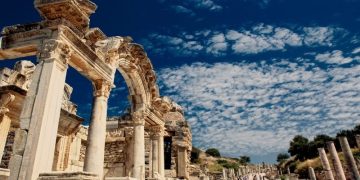
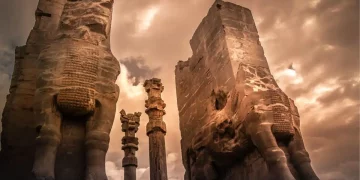
Human fascination with the ancient world is not a modern phenomenon. For centuries, cultures have been captivated by their ancestors’ achievements, monuments, and tales. The enduring appeal of ancient civilizations—whether it be Ancient Egypt, Mesopotamia, Maya, or Ancient Greece—lies not only in their monumental achievements but also in the mysteries they leave behind. These civilizations offer us a glimpse into the lives of people long gone, but their stories often come with gaps and ambiguities, fueling our imagination and curiosity.
1. The Search for Lost Knowledge
At the core of our fascination is the pursuit of knowledge—lost knowledge, ancient wisdom, and forgotten technologies. We are drawn to uncovering the secrets that might offer us insights into how these ancient civilizations flourished. Did they possess advanced technology? Were their social, political, and philosophical structures more complex than we can imagine? Did they understand the universe in ways that modern science is just beginning to comprehend?
The desire to uncover this lost wisdom has given birth to a range of myths, legends, and theories. For instance, the Great Pyramid of Giza has long been the subject of speculation. How did the Egyptians build such monumental structures without modern tools? What was the purpose behind the exacting alignment of the pyramids with celestial bodies? These questions persist, fueling both academic study and public imagination.
The notion of “lost knowledge” often leads to the belief that ancient cultures had technologies and insights far beyond what we might expect, such as Nikola Tesla’s theories of energy or ancient astronomical knowledge. This quest for rediscovery, whether based on historical evidence or conjecture, forms a key part of humanity’s continuous drive to explore our past.
2. Cultural and Historical Identity
As we uncover the history of ancient civilizations, we are also uncovering our own identity. In many ways, studying the ancient world helps us understand the roots of modern society. The achievements of the ancient Egyptians in mathematics, the philosophical traditions of Ancient Greece, and the legal systems developed by the Romans continue to shape our lives today.
Moreover, the study of ancient civilizations allows societies to reclaim their cultural heritage. For example, Mesopotamian civilizations, often referred to as the “cradle of civilization,” have provided significant insights into the development of writing systems, legal codes, and urbanization. Similarly, the Indus Valley Civilization, often overshadowed by Egypt and Mesopotamia, has become a critical point of study for understanding early urban planning, trade, and governance.
The resurgence of interest in Mesoamerican civilizations, such as the Maya and Aztec, reflects both an appreciation for their contributions to astronomy, architecture, and mathematics and a desire to recover cultural pride. The lost city of Teotihuacan, one of the most influential cities of the ancient world, serves as a reminder of humanity’s ability to create complex, urbanized societies long before modern technology.
3. The Mystique of Ancient Artifacts and Monuments
Ancient artifacts—whether they are monumental statues, beautifully preserved pottery, or intricately carved temple walls—hold a unique fascination for humanity. These objects serve as tangible connections to a distant past, each telling a story of a people’s way of life, their values, and their worldview.
Some of these artifacts spark wonder because of their sheer scale and complexity. The Stonehenge circle, the Easter Island statues, and the Colosseum of Ancient Rome stand as monumental testaments to ancient societies’ technical and artistic achievements. These structures are not just remnants of the past; they represent a vision of the world and the cosmos, a belief in the sacred, and a desire to commemorate the gods, rulers, and milestones of their time.
Other artifacts, such as the Dead Sea Scrolls, offer windows into the religious and philosophical ideologies that shaped societies and left legacies that influence us to this day. These objects continue to inspire a sense of awe and mystery, as they are windows through which we peer into a past that is simultaneously familiar and distant.
Imagination and Mythology: The Role of Stories in Understanding the Ancient World
While historical and archaeological findings provide valuable insights into ancient civilizations, much of our understanding of the ancient world is shaped by the myths, legends, and imaginations passed down through generations. These stories, often based on fragments of truth, help us interpret the past in ways that facts and data alone cannot.
1. Legends and Ancient Wonders
Mythologies, whether from the ancient Egyptians, Greeks, Romans, or Chinese, have always been a crucial part of human civilization. These stories often combine elements of truth with imagination, exaggerating or romanticizing historical events in ways that still captivate the human psyche. For example, the myths surrounding Atlantis, the legendary lost city described by Plato, have fueled centuries of speculation and theories regarding a highly advanced civilization that may have existed long before recorded history.
The Seven Wonders of the Ancient World, including the Great Pyramid of Giza, the Hanging Gardens of Babylon, and the Temple of Artemis, were monumental structures that symbolized the pinnacle of ancient architectural achievement. While many of these wonders no longer exist, their stories continue to inspire both scholars and dreamers. The exploration of these wonders blends fact with fantasy, as they serve as symbols of human ambition and ingenuity.
2. Ancient Civilization in Popular Culture
The fascination with the ancient world has not only been fueled by scholarly curiosity but has also been reinforced by popular culture. Movies, books, and video games have portrayed ancient civilizations as settings for grand stories of mystery, adventure, and discovery. Hollywood films such as Indiana Jones and The Mummy, as well as the endless references to ancient Egypt, Greece, and Rome in literature, have embedded these cultures into the global imagination.
J.R.R. Tolkien’s works, such as The Lord of the Rings, while not directly based on any one ancient civilization, are deeply inspired by ancient mythologies. Similarly, Greek mythology, with its gods, monsters, and heroes, continues to shape storytelling traditions across the world. These stories blend ancient truths with creative interpretations, adding layers of meaning and enriching our understanding of the past.
3. Mysteries and Speculations
While much is known about ancient civilizations, there remains a vast amount that is unknown. For every archaeological discovery that sheds light on the ancient world, there are many more unanswered questions. These mysteries, whether related to the true purpose of the Great Sphinx of Giza or the meaning behind the Nazca Lines in Peru, fuel speculative theories and continue to engage both academic scholars and casual enthusiasts.
The mystery surrounding the Minoan civilization, for example, has given rise to theories ranging from natural disasters to extraterrestrial influence. The Etruscans, a civilization that predated the Romans, remain one of the most enigmatic cultures of the ancient world. Though their language and cultural practices are still being studied, many of their achievements remain shrouded in uncertainty, which only serves to fuel greater interest and speculation.
New Technologies and the Future of Ancient Discoveries
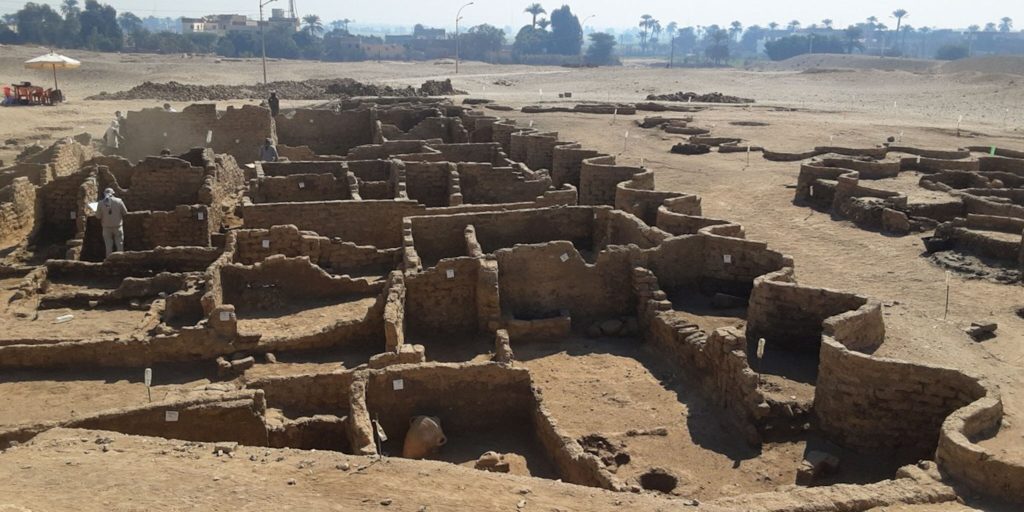
Advances in technology are rapidly transforming how we uncover and interpret the ancient world. Archaeological techniques have evolved from simple excavation and manual labor to highly sophisticated methods, such as remote sensing, ground-penetrating radar, drone mapping, and 3D modeling.
1. Ground-Penetrating Radar and LiDAR
LiDAR (Light Detection and Ranging) technology has revolutionized the study of ancient civilizations, enabling archaeologists to map and explore ancient cities buried beneath dense forests, such as those in Central America. In 2018, researchers using LiDAR uncovered a complex network of Mayan cities beneath the jungle canopy in Guatemala, revealing a civilization much more expansive than previously imagined.
Similarly, ground-penetrating radar is used to detect hidden structures beneath the earth’s surface. The technology has been used in Egypt, revealing possible undiscovered tombs and even hidden chambers in the Great Pyramid of Giza.
2. DNA Analysis and Bioarchaeology
Another groundbreaking development is the use of DNA analysis to uncover the identities and migrations of ancient peoples. Ancient DNA, recovered from human remains, has helped researchers trace the genetic lineage of civilizations like the Vikings, Celtic tribes, and early Egyptians, providing a clearer picture of how these societies interacted with one another.
3. Virtual Reality and Augmented Reality
Technologies like Virtual Reality (VR) and Augmented Reality (AR) are beginning to offer immersive experiences of ancient civilizations. Researchers and tourists can now walk through digitally reconstructed versions of long-lost cities and monuments, such as the ancient city of Pompeii or the Colosseum in Rome, bringing history to life in new and exciting ways.
Conclusion
Humanity’s quest to understand the ancient world is a pursuit of knowledge, imagination, and discovery. From ancient artifacts and monumental structures to the myths and legends that have been passed down through generations, the ancient world continues to captivate and inspire. As modern technology advances, new discoveries continue to challenge our understanding of the past, uncovering lost civilizations, revealing forgotten knowledge, and reinterpreting ancient mysteries.
The ongoing curiosity and fascination with the ancient world not only allow us to connect with our history but also deepen our appreciation for human ingenuity and creativity. The journey to uncover the secrets of the ancient world is far from over, and as we continue to explore the past, we will undoubtedly uncover even more mysteries, fueling the imagination for generations to come.