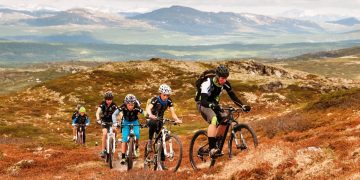










Mountain biking (MTB) has long been one of the most exhilarating and challenging outdoor sports, but recent years have seen a sharp rise in extreme MTB races, especially those taking place on steep, cliffside routes. These extreme trails are gaining popularity among both enthusiasts and professionals, who seek the ultimate rush and test of skill in some of the most breathtaking natural landscapes. In this article, we will delve into the world of MTB extreme trails, focusing on cliffside routes that push the boundaries of physical endurance, technical riding skills, and mental resilience.
From the steep inclines of mountain ridges to the dizzying drops at the edges of cliffs, these trails offer not just a test of biking skill but also the opportunity to experience nature from a completely unique vantage point. In this piece, we will explore the characteristics of these extreme MTB routes, the growing popularity of cliffside biking, and the reasons why these adrenaline-pumping challenges are becoming an essential part of modern mountain biking culture.
The Rise of Extreme MTB Trails
Mountain biking has evolved significantly since its inception in the late 20th century. What began as an adventure sport for adrenaline junkies has now transformed into a competitive, high-tech, and highly specialized activity. The variety of trails in mountain biking ranges from beginner-friendly dirt paths to perilous downhill races, each demanding different levels of skill and endurance. However, one of the most extreme categories of MTB riding today involves cliffside trails, where riders must navigate sharp drops, loose gravel, narrow ledges, and rough terrain—often with sheer cliffs on one side.
What Makes Cliffside MTB Trails So Challenging?
Cliffside MTB trails are characterized by their extreme verticality, sharp gradients, and exposed, often narrow paths along cliffs or mountain ridgelines. These trails demand a rare combination of balance, speed control, and decision-making. Riders must maintain control over their bikes while navigating a trail that is constantly testing their nerves and technical ability. The terrain often features loose rocks, tight switchbacks, and sections where a slight misstep can result in a long, uncontrolled descent.
Key challenges include:
- Vertical ascents and descents: These trails often take riders up or down steep mountains, forcing them to master both uphill climbs and nerve-wracking downhill sections.
- Loose surfaces: The trails are usually made up of rocks, gravel, and dirt, making it difficult to maintain traction, especially when dealing with sharp turns or sudden obstacles.
- Narrow and exposed paths: With cliffsides often just a few inches away, riders must be extremely cautious not to veer off track.
- Risk of falling: With little margin for error, the risk of injury is higher than on typical MTB trails. However, for many riders, this risk is part of the appeal.
Why Are Cliffside MTB Routes Gaining Popularity?
While these extreme trails may seem daunting to the casual cyclist, they are rapidly becoming a major draw for serious mountain bikers. A few key reasons can explain this growing interest:
1. The Appeal of Adventure and Thrill
For many bikers, the thrill of conquering extreme terrain is a major driving force. Cliffside routes offer an unparalleled sense of adventure, with an element of danger that excites even the most experienced riders. The adrenaline rush of descending a narrow cliffside trail or conquering an impossibly steep ascent creates a unique bond between the rider and the natural world, making these trails the ultimate test of skill and bravery.
2. A New Level of Challenge
Mountain biking enthusiasts constantly seek out new challenges to push their limits. For seasoned riders who have mastered traditional trails, cliffside routes offer a fresh and significantly more challenging experience. It is a step up from conventional trails, demanding even more precision, endurance, and mental focus. Riders who can handle these trails gain a new level of respect and recognition in the MTB community.
3. The Beauty of the Landscape
MTB riders are often drawn to the beauty and serenity of nature. Cliffside trails, while demanding, offer some of the most scenic views imaginable. Whether it’s riding along the edge of a rugged coastline, descending from a mountain peak, or navigating narrow ridges with sweeping vistas below, the stunning landscapes add a layer of reward to the difficulty of these trails.
4. Increased Media Coverage
Social media and extreme sports documentaries have played a huge role in bringing attention to cliffside MTB routes. Platforms like Instagram, YouTube, and Red Bull TV showcase thrilling MTB stunts on cliffside routes, which in turn attract new riders looking for their own adventure. The increasing visibility of these extreme trails has also encouraged more riders to pursue these routes, even if they are not yet fully skilled at tackling such terrain.
The Role of Technology in Cliffside MTB Riding
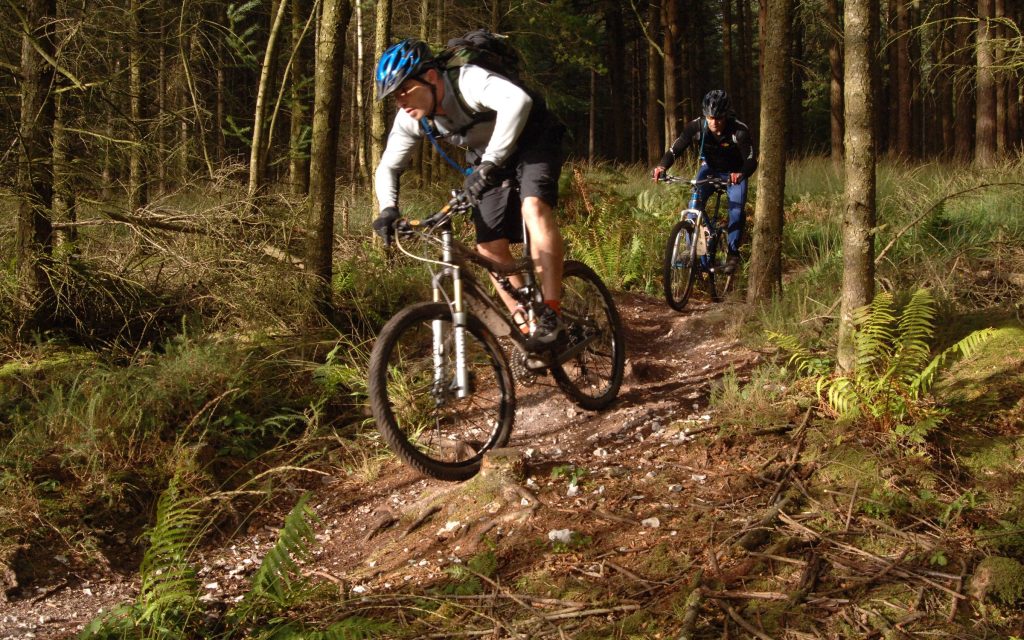
The sport of mountain biking has not only benefited from growing interest but also from rapid technological advancements. The development of cutting-edge equipment has significantly impacted the way riders approach extreme cliffside trails. Here’s a closer look at how technology is transforming MTB riding:
1. Advanced Bike Design
Modern mountain bikes are now designed specifically to handle extreme terrain. They feature enhanced suspension systems that help absorb shocks from rough trails and steep drops. Carbon fiber frames, lighter wheels, and wider tires provide both strength and stability, enabling riders to navigate difficult paths with greater ease.
2. Helmets and Protective Gear
Safety has always been a concern in extreme sports, and MTB is no exception. The introduction of specialized helmets designed for high-speed downhill riding, along with advanced body armor, elbow and knee pads, and full-face protection, has increased rider confidence. For those tackling cliffside routes, the protection offered by this gear is indispensable, providing peace of mind while they take on some of the most treacherous paths.
3. GPS and Trail Mapping
As cliffside trails often take riders through remote areas, the use of GPS technology has become essential. Advanced GPS systems and trail-mapping apps ensure riders can track their progress, stay on course, and find emergency routes if needed. This technology also helps riders share their routes with others, promoting community-driven exploration of extreme MTB terrain.
Famous Cliffside MTB Trails Around the World
Several cliffside MTB routes around the world have gained iconic status among mountain biking enthusiasts. Some of these routes are renowned for their difficulty, while others are appreciated for the jaw-dropping views they offer. Let’s take a look at a few standout locations.
1. The Alps (France, Switzerland, Austria)
The European Alps have long been a hotspot for mountain biking. Trails in regions like Chamonix (France), Zermatt (Switzerland), and Leogang (Austria) feature steep ascents and dramatic cliffside descents. The breathtaking views of snow-capped peaks and alpine meadows add to the allure of these extreme trails, making them a must-ride destination for serious bikers.
2. The Atacama Desert (Chile)
Chile’s Atacama Desert is home to some of the most challenging cliffside MTB routes. The terrain is harsh, dry, and full of jagged cliffs and steep inclines. Riders in this region experience the thrill of descending along cliffs that overlook vast expanses of desert. Despite the lack of water and extreme heat, the challenge of conquering these routes attracts seasoned MTB riders from around the globe.
3. Maui (Hawaii, USA)
Maui’s Haleakalā volcano offers a series of cliffside trails with exhilarating drops and views of the Pacific Ocean below. These trails are popular for their stunning beauty and unique volcanic terrain. Riders must descend from the top of the volcano, navigating sharp turns and rocky paths as they speed down the slopes.
4. The Drakensberg Mountains (South Africa)
The Drakensberg Mountains in South Africa provide another amazing location for extreme MTB routes. Here, riders can find cliffside trails that pass through rugged landscapes, offering a mix of challenging terrain and unforgettable views. The diverse ecosystem in this area, ranging from mountain plateaus to cliff edges, provides a memorable experience for MTB adventurers.
5. La Palma (Canary Islands, Spain)
La Palma is known for its stunning natural beauty and extreme MTB trails. Riders here enjoy riding along cliffside routes that offer spectacular views of the ocean, deep valleys, and towering cliffs. The terrain can be rough, with loose rocks and sharp inclines, making it an ideal challenge for experienced riders.
Training for Cliffside MTB Races
Given the extreme nature of cliffside MTB routes, riders must undergo specialized training to tackle these paths. The preparation involves both physical conditioning and technical skill development.
1. Physical Conditioning
Riders must build endurance, strength, and flexibility to handle the physical demands of mountain biking on such challenging terrain. This includes cardiovascular training for stamina, leg strength for climbing, and core exercises to maintain balance on steep descents.
2. Technical Skills
Riding on cliffside trails requires exceptional technical skills, including mastering braking techniques, handling loose gravel, and executing tight cornering. Riders also need to develop the mental resilience to stay calm under pressure, as mistakes can be costly on these extreme trails.
3. Mental Toughness
Perhaps the most important aspect of training for extreme cliffside MTB racing is mental preparedness. Riders need to develop focus and confidence, especially when tackling sections of trail where a fall could be disastrous. This mental toughness is what separates top riders from the rest of the field.
Conclusion
Mountain biking on cliffside routes represents the pinnacle of adventure, skill, and physicality.