

Volcanic landscapes are among the most awe-inspiring and geologically significant features on Earth. Among these, crater lakes and lava lakes stand out as natural marvels that offer a glimpse into the dynamic forces shaping our planet. These unique bodies of water, born from the destructive yet creative powers of volcanic activity, have fascinated scientists, geologists, and adventurers alike for centuries. While they are both created by volcanic eruptions, crater lakes and lava lakes differ significantly in their formation, chemical composition, and the ecosystems they support.
In this article, we will explore the origins, characteristics, and global examples of crater lakes and lava lakes, shedding light on their geological processes, environmental significance, and the dangers they present. By delving into their formation, exploration, and conservation, we aim to provide a comprehensive understanding of these geological wonders.
1. Introduction: The Power of Volcanoes and the Birth of Water Bodies
Volcanoes are among Earth’s most powerful forces, capable of reshaping the landscape and altering entire ecosystems. The formation of both crater lakes and lava lakes is intrinsically tied to volcanic eruptions, which release vast amounts of energy, heat, and gases into the atmosphere and surrounding environment. These eruptions can create deep depressions, called craters, in the earth’s surface, which can then fill with water over time, forming crater lakes. Similarly, in some volcanic regions, the molten lava remains within the crater and forms a constantly active lava lake, a phenomenon that continues to captivate both scientists and visitors.
The study of crater lakes and lava lakes offers valuable insights into volcanic processes, geothermal activity, and the forces of nature. These lakes provide a window into the ongoing transformation of the Earth’s crust, revealing the ever-changing relationship between geological processes and water bodies.
2. Crater Lakes: Formations of Water in Volcanoes
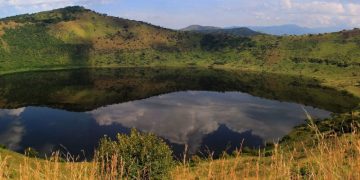
A crater lake is a body of water that forms in the crater of a dormant or extinct volcano. These lakes are usually formed by one of three key processes:
- Water-filled depressions: When volcanic eruptions create craters, subsequent rainfall or melting snow can fill the depression, creating a lake.
- Collapse of the volcano’s summit: Following an eruption, the mountain’s summit may collapse, forming a caldera. If this depression fills with water, a crater lake is formed.
- Tectonic activity: In some instances, tectonic shifts can form depressions in volcanic regions that collect water over time.
Crater lakes are typically located in areas with significant geothermal activity, and their waters can be extremely diverse in terms of pH, temperature, and mineral content, often reflecting the chemistry of the surrounding volcanic rocks and minerals.
2.1 Characteristics of Crater Lakes
- Shape and Size: Crater lakes are typically circular or oval, with steep slopes surrounding the water. They can vary greatly in size, from small ponds to large lakes.
- Water Composition: Many crater lakes have a distinctive color, often ranging from deep blues to greens, depending on the mineral content. Some lakes have high acidity, while others may be mildly alkaline.
- Temperature: The water temperature can vary significantly, with some crater lakes being warm due to geothermal activity beneath the surface, while others are cooler due to their elevation and geographic location.
- Flora and Fauna: Crater lakes can host unique ecosystems. The conditions of these lakes—such as temperature, salinity, and the presence of minerals—can create specialized habitats for various species.
2.2 Famous Crater Lakes Around the World
- Lake Taupo, New Zealand: The largest volcanic crater lake in the world, Lake Taupo was formed by a massive eruption approximately 26,500 years ago. It is known for its stunning blue waters, geothermal hot springs, and recreational activities, including fishing and boating.
- Crater Lake, United States: Located in Oregon, Crater Lake is one of the deepest lakes in North America, formed by the collapse of a volcanic caldera after an eruption over 7,700 years ago. The lake is renowned for its clear blue water, which is considered some of the clearest in the world.
- Lake Toba, Indonesia: The largest volcanic lake in the world, Lake Toba sits within the caldera of a supervolcano that erupted around 74,000 years ago. This eruption is considered one of the largest in Earth’s history, and the lake is a key part of the region’s culture and economy.

3. Lava Lakes: Active Molten Pools of Earth’s Fury
In contrast to the serene beauty of crater lakes, lava lakes are molten pools of liquid rock that reside in the craters of active volcanoes. Lava lakes form when a volcano’s crater fills with continuously erupting lava that is too viscous to flow freely. Instead, it builds up and creates a molten lake that can remain active for years or even decades. Lava lakes are considered one of the most volatile and dangerous geological features on Earth.
3.1 Characteristics of Lava Lakes
- Temperature: Lava lakes are characterized by their extreme temperatures, often exceeding 1,000°C (1,832°F).
- Viscosity: Unlike the more fluid lava flows seen in certain volcanic eruptions, lava lakes typically feature more viscous lava, making the molten material more sluggish and thick.
- Constant Activity: Lava lakes are not static; they are constantly shifting, with the surface often splashing and bubbling as new magma is expelled from the volcano’s interior.
- Chemical Composition: Lava lakes can vary in terms of chemical composition, depending on the type of lava they contain—some may have high concentrations of sulfur, iron, or other elements that influence the color and characteristics of the lava.
3.2 Famous Lava Lakes Around the World
- Erta Ale, Ethiopia: One of the longest-active lava lakes in the world, Erta Ale has been continuously erupting since at least 1906. Located in the Danakil Depression, this lava lake is a striking feature of the volcanic Erta Ale volcano, and it draws scientists and adventurers alike.
- Mount Nyiragongo, Democratic Republic of the Congo: The lava lake at Mount Nyiragongo is famous for its large size and violent eruptions. The lake sits in one of the most active volcanoes in the world, and its lava can reach a temperature of around 1,200°C (2,192°F).
- Kilauea, United States: Kilauea, located in Hawaii, is one of the most active volcanoes on Earth. The Halemaʻumaʻu crater within Kilauea has hosted a lava lake for many years, with frequent eruptions and lava flows that are carefully monitored by geologists.
4. Geothermal Activity and Ecosystems Around Volcanic Lakes
Both crater lakes and lava lakes are closely associated with geothermal activity, which plays a crucial role in their formation and sustainability. Volcanic regions are often home to geothermal features such as hot springs, fumaroles, and geysers, all of which are interconnected with the presence of these unique water bodies.
4.1 Geothermal Features in Crater Lakes
In many cases, crater lakes are influenced by geothermal systems beneath the surface. The geothermal heat can raise the temperature of the lake, increase its mineral content, and create unique chemical conditions that support rare and specialized ecosystems. For example, some crater lakes are home to thermophilic organisms—bacteria and microbes that thrive in extreme heat and acidity. These ecosystems are particularly important for scientists studying the origins of life and the potential for life on other planets, such as Mars.
4.2 Geothermal Features in Lava Lakes
Lava lakes, being composed of molten rock, contribute directly to the geothermal activity of their surrounding areas. The extreme temperatures of the lava lake can cause the surrounding rock to crack and release gases, including sulfur dioxide, carbon dioxide, and other volcanic emissions. These gases can have significant effects on local weather patterns and air quality, often making lava lakes dangerous to approach without proper protection.
5. The Risks and Dangers of Volcanoes with Crater and Lava Lakes
While crater lakes and lava lakes are extraordinary natural features, they pose serious risks to human life and the environment. The ongoing volcanic activity, including eruptions, toxic gas emissions, and temperature fluctuations, makes these areas dangerous to explore without proper knowledge and preparation.
5.1 Risks of Crater Lakes
- Toxic Gases: Some crater lakes, especially those situated near active volcanic areas, can emit harmful gases such as sulfur dioxide and carbon dioxide. These gases can create toxic air that poses significant health risks to humans.
- Acidic Water: Many crater lakes are highly acidic, with pH levels that can range from neutral to extremely acidic. Prolonged exposure to these waters can result in chemical burns or other health issues.
- Unpredictable Eruptions: Even after a volcano has been dormant for centuries, sudden eruptions can occur, drastically changing the landscape and threatening those in the vicinity.
5.2 Risks of Lava Lakes
- Extreme Temperatures: The extreme temperatures of lava lakes make them incredibly hazardous. Approaching a lava lake too closely can result in burns or death.
- Explosive Eruptions: Lava lakes can be volatile, with sudden explosions sending molten lava into the air. These eruptions can be life-threatening to anyone in the vicinity.
- Toxic Gases: The gases emitted by lava lakes, including sulfur dioxide, carbon dioxide, and hydrogen sulfide, can be toxic and pose a significant health risk to both people and animals.
6. Conservation and Future of Volcanic Lakes
Crater lakes and lava lakes are not just geological wonders; they are also ecologically significant. As global temperatures rise and human activity continues to impact volcanic regions, there is an increasing need for conservation efforts to protect these natural wonders.
Many volcanic lakes are protected areas due to their ecological value, and efforts are underway to monitor volcanic activity and safeguard both the local environment and human life. The study of these lakes also provides insights into how volcanic ecosystems function and how they might serve as models for life on other planets.
7. Conclusion
Crater lakes and lava lakes represent the dynamic and powerful forces of the Earth’s geology. While each offers unique insights into volcanic processes, they also present significant risks that demand respect and careful study. From the serene beauty of crater lakes to the explosive violence of lava lakes, these natural phenomena provide a fascinating and diverse look at the incredible forces shaping our world. By exploring these remarkable bodies of water, we gain a deeper understanding of Earth’s ongoing evolution and the complex interplay between nature and humanity.