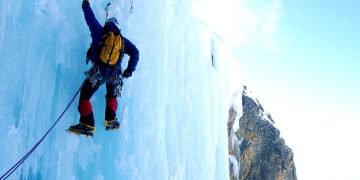










Ice climbing, the practice of ascending frozen waterfalls, ice-covered rock faces, or glaciers, has evolved from a niche mountaineering technique into an exciting, extreme sport. When practiced in extreme cold weather, ice climbing presents unique challenges, from unpredictable ice conditions to dealing with the physical and mental toll of low temperatures. The sport has grown in popularity as adventurers seek new frontiers in the mountains and winter landscapes.
This article delves into the world of ice climbing in extreme cold weather, exploring the technical skills, equipment, training, risk management, and the physiological demands of the sport. With a focus on both the thrill and the dangers, this piece provides climbers, enthusiasts, and potential newcomers with a professional guide to ice climbing in challenging, frigid conditions.
1. Introduction to Ice Climbing
1.1 Defining Ice Climbing
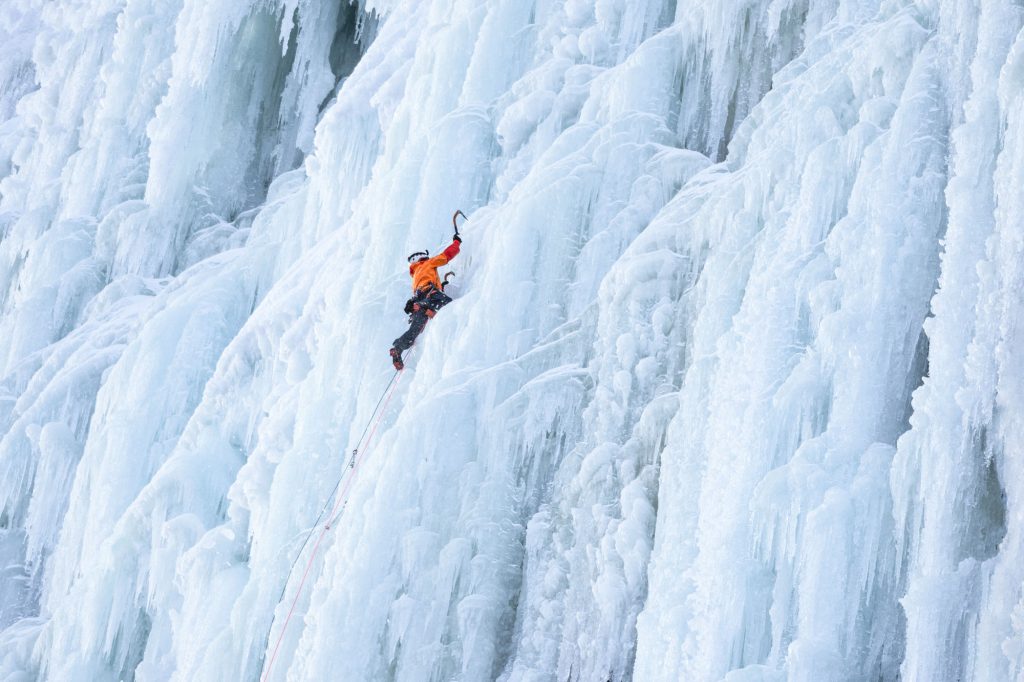
Ice climbing involves ascending natural ice formations, typically frozen waterfalls, icefalls, and glacial ice, using specialized equipment. It requires climbers to navigate steep, slippery surfaces with ice axes, crampons, and ropes. The objective is to reach the top of the formation, overcoming a series of technical challenges that demand both physical and mental strength.
In extreme cold weather conditions, such as during deep winter months or in higher altitudes, ice climbing becomes even more demanding. The cold can affect the climber’s performance, endurance, and decision-making, adding complexity to an already dangerous activity.
1.2 The Appeal of Ice Climbing in Extreme Cold
Ice climbing attracts thrill-seekers and mountaineers who crave adventure in harsh, remote locations. The beauty and serenity of frozen landscapes, combined with the adrenaline rush of scaling vertical ice walls, make ice climbing a deeply rewarding and satisfying sport.
For many climbers, the challenge lies not only in the physical difficulty of the ascent but also in the extreme conditions, where every move, tool, and piece of equipment must be precisely calibrated to the freezing environment.
2. Equipment for Ice Climbing
2.1 Essential Gear for Ice Climbing
The right equipment is vital for ice climbers to safely and efficiently ascend frozen surfaces. The cold weather and unpredictable nature of ice conditions require highly specialized gear that ensures both safety and performance. Key pieces of equipment include:
- Ice Axes: Used for both climbing and belaying, ice axes have a sharp pick and a strong adze for cutting into the ice. Climbers use them to anchor themselves and to provide leverage for upward movement.
- Crampons: These are steel or aluminum devices with spikes that attach to the climber’s boots to prevent slipping on ice. There are two main types: front-point (ideal for vertical ice) and dual-point (best for mixed terrain).
- Helmets: Protecting the climber’s head from falling ice or accidents, helmets are a must in extreme conditions. They should be light but durable, often designed with additional insulation for cold weather.
- Ropes: Dynamic climbing ropes are used for belaying and securing the climber during ascents. These ropes are designed to stretch, absorbing the shock if the climber falls.
- Climbing Harnesses: A climber’s harness is worn for security during belaying, helping distribute force in case of a fall. It should be adjustable and comfortable enough to wear for extended periods.
- Ice Screws and Anchors: Ice screws are specialized tools used to anchor the rope to the ice, providing security during the climb. These tools are critical for setting up belays and protection points.
- Clothing: In extreme cold weather, wearing the right layers is crucial. Climbers typically use base layers for moisture wicking, insulated layers for warmth, and waterproof, breathable outer layers to protect against wind, snow, and ice.
2.2 Specialized Gear for Extreme Cold Conditions
In extreme cold weather, additional gear becomes essential for survival and success.
- Insulated Gloves and Mittens: Warm gloves are necessary to protect the hands, which are constantly exposed to the cold while using ice axes and ropes. Some climbers wear gloves for dexterity and switch to mittens during rest periods for added warmth.
- Balaclavas and Face Masks: These protect the face from frostbite, especially when facing sub-zero temperatures. They help retain body heat around the face and neck.
- Gaiters and Boot Covers: These protect the lower legs from snow, ice, and moisture, preventing frostbite and keeping feet dry and warm.
- High-Performance Footwear: Specialized winter boots designed for ice climbing are insulated and feature a stiff sole to accommodate crampons securely. They also provide the necessary warmth and comfort for extended climbs.
3. Techniques for Ice Climbing
3.1 Basic Ice Climbing Techniques
The fundamental skills of ice climbing involve proper use of ice axes, crampons, and body positioning. Below are key techniques for a successful ascent:
- Swinging the Ice Axes: A climber uses a controlled swing to embed the pick of the ice axe into the ice. The motion should be deliberate, targeting solid ice, and providing a secure hold for the next movement.
- Crampon Placement: The crampons should be placed securely into the ice to prevent slipping. For vertical ice, the front points are driven into the ice to provide the best grip.
- Rest Stance: While climbing, climbers periodically rest by standing in a stable position, keeping their weight on their crampon points and reducing muscle fatigue.
- Flagging and Edging: These techniques involve adjusting the body’s position to conserve energy. Flagging involves extending a leg out to the side to maintain balance, while edging requires placing the boot at a slight angle to maximize grip on the ice.
3.2 Advanced Ice Climbing Techniques
As climbers tackle more technical ice routes, they employ advanced techniques for mixed terrain and overhangs. These include:
- Tool Placement in Mixed Terrain: In mixed ice and rock conditions, climbers may need to place their axes on both ice and rock. Proper placement is critical for security and balance.
- Mantling onto Ledges: This technique allows climbers to use their axes for upward leverage, then pull themselves onto ledges or platforms.
- Dynamic Moves: Some ice routes require climbers to make dynamic, powerful movements, such as lunges or leaps, to reach distant holds or ice features.
3.3 Ice Climbing in Extreme Cold
In sub-zero temperatures, climbers need to adapt their techniques to prevent injuries and maintain performance. The colder the environment, the more crucial it is to conserve body heat and energy, as well as to protect tools from freezing. Climbers often use quick, efficient movements and avoid prolonged exposure of skin to the cold.
4. Physical and Psychological Demands
4.1 Physical Fitness for Ice Climbing
Ice climbing demands both strength and endurance, as climbers are required to maintain grip, stability, and balance over extended periods. Essential physical attributes include:
- Core Strength: A strong core is necessary for stability and control, especially when moving across difficult or overhung sections of ice.
- Upper Body Strength: Ice climbers rely heavily on their arms and shoulders to wield the ice axes and pull themselves up the frozen walls.
- Leg Strength and Flexibility: Leg strength helps with proper crampon placement and provides the necessary power for pushing upwards. Flexibility allows climbers to position their bodies efficiently in difficult stances.
4.2 Mental Resilience in Extreme Cold
In freezing weather conditions, mental fortitude is just as important as physical strength. Climbers must deal with the anxiety of unpredictable ice conditions, extreme cold, and potential risks. Key mental skills for ice climbers include:
- Focus: Maintaining concentration on each move helps avoid mistakes, as small errors can lead to falls or injuries.
- Decision-Making: Climbers must assess the risk of ice stability, weather conditions, and route complexity at every stage of the climb.
- Mental Toughness: Climbers must overcome discomfort and fatigue, especially in the freezing cold, where every movement is amplified.
5. Risk Management and Safety
5.1 Potential Hazards in Ice Climbing
Ice climbing is inherently risky, particularly when performed in extreme weather. Common hazards include:
- Ice Falls: Ice features can be unstable, and there is always the risk of falling ice or collapse during ascents.
- Cold Injuries: Frostbite, hypothermia, and other cold-related injuries are common dangers, especially in extreme conditions.
- Avalanches: Climbers in alpine regions must be aware of avalanche risks, especially on snow-covered ice routes.
- Falls: Without proper technique or safety systems, falling can result in serious injury.
5.2 Mitigating Risks
To mitigate these risks, ice climbers follow strict safety protocols:
- Using Proper Gear: Using top-quality, well-maintained equipment reduces the risk of failure.
- Progressive Training: Climbers should begin with beginner-friendly routes and progress to more challenging ones, ensuring that their skills match the route’s difficulty.
- Constant Vigilance: Weather conditions, ice quality, and the safety of surrounding climbers must be monitored at all times.
6. Popular Ice Climbing Destinations
6.1 Canada’s Icefields Parkway
Renowned for its spectacular frozen waterfalls and mountainous terrain, this area offers ideal climbing conditions for both beginners and experienced climbers.
6.2 Chamonix, France
Chamonix is one of Europe’s premier ice climbing destinations, offering a variety of routes, including mixed terrain and icefalls, with stunning alpine scenery.
6.3 Ouray, Colorado
Home to the world-famous Ouray Ice Park, this location is a mecca for ice climbers, offering routes for all skill levels.
7. Conclusion
Ice climbing in extreme cold weather is an exhilarating and challenging sport that pushes the limits of physical endurance, technical skill, and mental resilience. Whether scaling frozen waterfalls, ice-covered cliffs, or glaciers, ice climbers face unique dangers that require careful preparation, awareness, and respect for the elements. With the right training, equipment, and mindset, climbers can explore some of the most beautiful and remote environments on Earth while experiencing the rush of climbing in the coldest, harshest conditions.
For those ready to embrace the extreme, ice climbing offers a rewarding journey—one that tests both body and spirit while opening up a world of adventure in the frozen wild.